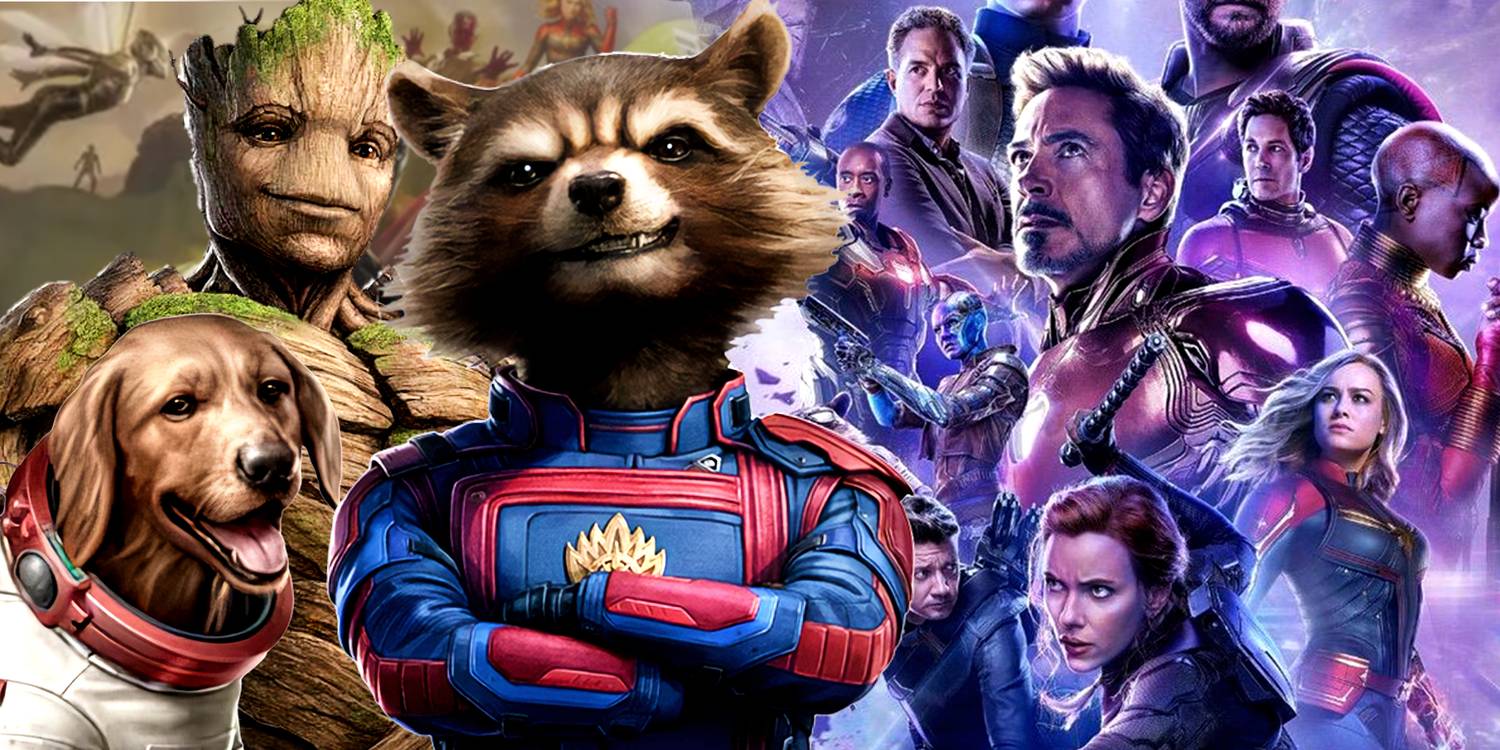
Avengers: Doomsday and Avengers: Secret Wars Comparison

Avengers: Doomsday and Avengers: Secret Wars Comparison

Avengers: Doomsday and Avengers: Secret Wars Comparison


1. Differences in Plot

The Marvel Cinematic Universe (MCU) has been a benchmark for superhero movies, and the Avengers series is no exception. Two of the most highly anticipated movies in the franchise are Avengers: Doomsday and Avengers: Secret Wars. While both movies are part of the same universe, they have distinct differences in their plot. Avengers: Doomsday is expected to be a more intense and darker movie, focusing on the consequences of the Avengers' actions in the previous movies. The plot will likely revolve around the team's battle against a powerful villain, exploring themes of sacrifice, loss, and redemption. On the other hand, Avengers: Secret Wars is rumored to be a more epic and ambitious project, bringing together a vast array of characters from different dimensions and timelines. The movie will likely feature a complex, multiverse-spanning narrative, with the Avengers facing off against a powerful threat that imperils the very fabric of reality.

One of the most significant differences in plot between the two movies is the scale and scope of the story. Avengers: Doomsday will likely have a more focused, character-driven narrative, delving deeper into the emotional struggles and personal demons of the individual Avengers. In contrast, Avengers: Secret Wars will be a more sprawling, cinematic spectacle, featuring a massive cast of characters and a storyline that spans multiple worlds and timelines. The plot of Avengers: Secret Wars will likely be more complex and convoluted, with multiple threads and storylines intersecting and converging in unexpected ways. Overall, the differences in plot between Avengers: Doomsday and Avengers: Secret Wars reflect the distinct tones and themes of each movie, offering fans a unique and exciting viewing experience. By comparing and contrasting the plots of these two movies, fans can gain a deeper understanding of the MCU and its rich, intricate storytelling, and anticipate the thrilling adventures that await them in the world of Avengers.


2. Tony Stark's Role

Tony Stark's role in the Avengers franchise is a pivotal one, and his character development is especially noteworthy when comparing Avengers: Doomsday and Avengers: Secret Wars. As the genius billionaire philanthropist behind the Iron Man suit, Tony Stark brings a unique blend of intelligence, wit, and bravery to the team. In Avengers: Doomsday, Tony's character is pushed to the limit as he grapples with the consequences of his actions and the weight of his responsibilities as a hero. His relationship with the other Avengers, particularly Captain America, is put to the test as they face off against a formidable foe. In contrast, Avengers: Secret Wars sees Tony Stark taking on a more strategic role, using his vast resources and technological expertise to help the team navigate a complex web of alternate realities and timelines.

In comparing the two movies, it's clear that Tony Stark's role is a crucial element in the success of the Avengers franchise. Avengers: Doomsday and Avengers: Secret Wars both showcase Tony's growth as a character, from his early days as a self-centered billionaire to his eventual transformation into a selfless hero. While Avengers: Doomsday focuses on the personal stakes and emotional depth of Tony's character, Avengers: Secret Wars highlights his intellectual curiosity and innovative spirit. Through his interactions with other characters, such as Doctor Strange and Captain Marvel, Tony's role in the team is cemented, and his legacy as a hero is solidified. Overall, the comparison between Avengers: Doomsday and Avengers: Secret Wars demonstrates that Tony Stark's role is a vital component of the Avengers franchise, and his character continues to evolve and captivate audiences in new and exciting ways.


3. Inclusion of New Characters

When it comes to the inclusion of new characters, both Avengers: Doomsday and Avengers: Secret Wars offer exciting and fresh perspectives. In Avengers: Doomsday, the introduction of characters like Kate Bishop and America Chavez brings a new dynamic to the team, highlighting the next generation of heroes. These characters not only expand the diversity of the Avengers but also bring unique skills and abilities to the table. For instance, Kate Bishop's skills as a detective and martial artist make her a valuable asset to the team, while America Chavez's incredible strength and ability to punch holes through dimensions make her a game-changer in battle. The inclusion of these new characters also allows for new storylines and character development, keeping the franchise feeling fresh and exciting.

In comparison, Avengers: Secret Wars takes a different approach to introducing new characters, focusing on the multiverse and the concept of alternate realities. This allows for the introduction of new and interesting characters from different universes, such as the Superior Iron Man and the Doom Supreme. The inclusion of these characters raises questions about the nature of reality and the consequences of playing with the fabric of time and space. The comparison between Avengers: Doomsday and Avengers: Secret Wars highlights the different approaches to introducing new characters and expanding the Marvel universe. While Avengers: Doomsday focuses on the next generation of heroes, Avengers: Secret Wars explores the possibilities of the multiverse, offering a unique and thrilling experience for fans. By examining the inclusion of new characters in both films, fans can gain a deeper understanding of the Marvel universe and its endless possibilities, making the comparison between Avengers: Doomsday and Avengers: Secret Wars a fascinating and engaging topic for discussion.


4. Alternate Realities

Alternate realities have become a staple in the Marvel Cinematic Universe, particularly in the context of Avengers: Doomsday and Avengers: Secret Wars. These two highly anticipated movies promise to take fans on a wild ride, exploring the concept of alternate realities and the consequences of meddling with the fabric of time and space. In Avengers: Doomsday, the team faces a catastrophic threat that could potentially destroy the universe, forcing them to navigate through different realities in search of a solution. On the other hand, Avengers: Secret Wars delves deeper into the multiverse, introducing fans to a vast array of alternate realities, each with its own unique version of iconic characters. By comparing and contrasting these two movies, fans can gain a deeper understanding of the complexities of alternate realities and the creative possibilities they offer.

The comparison between Avengers: Doomsday and Avengers: Secret Wars also highlights the significance of alternate realities in modern storytelling. By exploring the concept of parallel universes, the Marvel Cinematic Universe can introduce new characters, plotlines, and themes, keeping the franchise fresh and exciting. The use of alternate realities also allows for creative reinterpretations of classic characters and storylines, offering a new perspective on beloved heroes and villains. As the Marvel Cinematic Universe continues to expand, the concept of alternate realities is likely to play an increasingly important role, shaping the future of the franchise and pushing the boundaries of what is possible in the world of superhero movies. With Avengers: Doomsday and Avengers: Secret Wars on the horizon, fans can expect a thrilling ride through the multiverse, full of unexpected twists and turns that will challenge their understanding of reality itself.


5. The Role of Thanos

The role of Thanos is a pivotal aspect of the Marvel Cinematic Universe, particularly in the context of Avengers: Doomsday and Avengers: Secret Wars comparison. Thanos, played by Josh Brolin, is a complex and intriguing character who drives the plot of both movies. In Avengers: Infinity War (which is often referred to as Avengers: Doomsday in some quarters), Thanos' obsession with balancing the universe's resources leads him to embark on a perilous journey to collect all six Infinity Stones. His ultimate goal is to wipe out half of all life in the universe, which he believes will ensure the survival of the other half. This catastrophic event sets the stage for Avengers: Endgame and potentially Avengers: Secret Wars, as the surviving Avengers attempt to undo the damage caused by Thanos' actions.

In the comparison between Avengers: Doomsday and Avengers: Secret Wars, the role of Thanos serves as a catalyst for the events that unfold. While Avengers: Doomsday focuses on the immediate aftermath of Thanos' snap, Avengers: Secret Wars is expected to explore the multiverse and the consequences of Thanos' actions on a larger scale. The introduction of the multiverse in Avengers: Secret Wars raises questions about the potential for alternate versions of Thanos, each with their own motivations and agendas. As the Marvel Cinematic Universe continues to expand, the character of Thanos will undoubtedly remain a central figure, driving the plot and shaping the destinies of the Avengers and other characters. The comparison between Avengers: Doomsday and Avengers: Secret Wars will likely reveal new insights into the complexities of Thanos' character and the far-reaching implications of his actions, making for a compelling and thought-provoking exploration of the Marvel Cinematic Universe.


6. Impact on the Marvel Universe

The Avengers: Doomsday and Avengers: Secret Wars comparison has sparked intense debate among fans, with each movie having a significant impact on the Marvel Universe. The Marvel Universe, which comprises a vast array of interconnected stories, characters, and events, has been shaped in distinct ways by these two films. Avengers: Doomsday, with its apocalyptic storyline, has raised the stakes for the Avengers, forcing them to confront the possibility of their own demise and the destruction of the world they have sworn to protect. In contrast, Avengers: Secret Wars, with its multiverse-spanning narrative, has expanded the scope of the Marvel Universe, introducing new worlds, characters, and possibilities that have far-reaching implications for the franchise as a whole.

The impact of these two movies on the Marvel Universe can be seen in the way they have influenced subsequent storylines and character development. For example, the events of Avengers: Doomsday have led to a greater emphasis on teamwork and cooperation among the Avengers, as they recognize that their individual strengths are not enough to overcome the threats they face. On the other hand, Avengers: Secret Wars has opened up new avenues for exploration, such as the concept of the multiverse and the introduction of new characters from different dimensions. Marvel has also taken advantage of the success of these movies to launch new initiatives, such as Disney+ shows and comics that delve deeper into the characters and storylines introduced in the films. Overall, the comparison between Avengers: Doomsday and Avengers: Secret Wars provides a fascinating insight into the evolving nature of the Marvel Universe and the ways in which different stories and characters can shape and influence each other.


7. Character Development

Character development is a crucial aspect of the Marvel Cinematic Universe (MCU), and the comparison between Avengers: Doomsday and Avengers: Secret Wars is no exception. In Avengers: Doomsday, the characters are faced with an impending doom that threatens the very existence of the universe, forcing them to re-evaluate their priorities and confront their deepest fears. This apocalyptic scenario allows for a deeper exploration of the characters' motivations, strengths, and weaknesses, making for a more nuanced and engaging story. For instance, Tony Stark's character is put to the test as he struggles to come to terms with the consequences of his actions, while Captain America's unwavering dedication to justice is pushed to its limits. The characters' development in Avengers: Doomsday sets the stage for a thrilling comparison with Avengers: Secret Wars, where the stakes are equally high, but the circumstances are vastly different.

Avengers: Secret Wars, on the other hand, presents a multiverse-spanning narrative that brings together a diverse array of characters from different dimensions and timelines. This allows for a fresh and exciting exploration of character development, as the Avengers must navigate unfamiliar landscapes and team up with unexpected allies to prevent a catastrophic convergence of the multiverse. The comparison between the two movies highlights the versatility and adaptability of the MCU characters, as they face unique challenges and adversaries in each scenario. For example, Doctor Strange's magical abilities are put to the test in Avengers: Secret Wars, while Black Widow's tactical expertise is crucial in Avengers: Doomsday. By examining the character development in both movies, fans can gain a deeper understanding of the Avengers' strengths, weaknesses, and relationships, making the comparison between Avengers: Doomsday and Avengers: Secret Wars a fascinating and insightful exploration of the MCU. With its richly detailed world-building and complex character arcs, this comparison is sure to captivate both longtime fans and newcomers to the franchise, offering a thrilling ride that showcases the very best of the Avengers.


8. Similarities in Villainous Themes

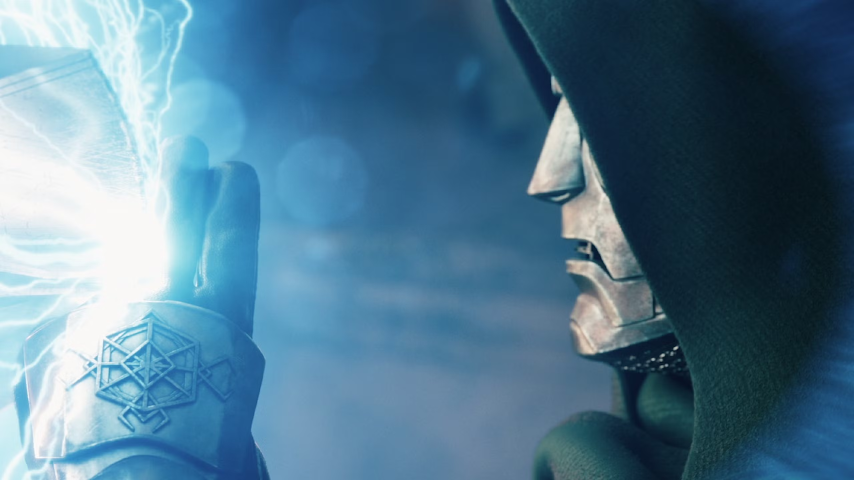
When it comes to the Marvel Cinematic Universe (MCU), the Avengers series has been a fan favorite, with each installment offering a unique blend of action, drama, and superhero excitement. Two notable movies in the series, Avengers: Doomsday and Avengers: Secret Wars, may seem like vastly different stories on the surface, but they share some striking similarities in their villainous themes. One of the most notable similarities is the concept of an all-powerful, god-like villain who seeks to reshape the universe in their image. In Avengers: Doomsday, this villain is Doctor Doom, a classic Marvel character with a penchant for world domination and a desire to reshape reality according to his own twisted design. Similarly, in Avengers: Secret Wars, the villainous Beyonder serves as a powerful, reality-bending foe who seeks to reshape the universe through his own twisted games and challenges.

The similarities between these two villainous themes are not limited to their goals and motivations, however. Both Doctor Doom and the Beyonder also serve as foils to the Avengers team, highlighting their strengths and weaknesses and pushing them to their limits in creative and unexpected ways. For example, Doctor Doom's mastery of dark magic and technology forces the Avengers to rethink their traditional battle strategies and work together in new and innovative ways. Similarly, the Beyonder's reality-bending powers force the team to question their own perceptions of reality and confront the possibility that their understanding of the world may be incomplete or inaccurate. By exploring these similarities in villainous themes, fans of the Avengers series can gain a deeper understanding of the MCU and its rich, complex characters, and appreciate the creative ways in which the franchise continues to evolve and surprise us. Whether you're a longtime fan of the series or just discovering the Marvel universe, the similarities between Avengers: Doomsday and Avengers: Secret Wars are sure to captivate and inspire, offering a fresh perspective on the heroes and villains that make the MCU so unforgettable.


9. Visual Effects Comparison

When it comes to the highly anticipated Marvel movies, Avengers: Doomsday and Avengers: Secret Wars, fans are eager to know how the visual effects compare between the two. The visual effects in both movies play a crucial role in bringing the Marvel Cinematic Universe to life, with intricate details and mind-blowing action sequences. In Avengers: Doomsday, the visual effects are more focused on the destruction caused by the Doomsday villain, with a heavier emphasis on explosions, chaos, and devastation. On the other hand, Avengers: Secret Wars takes a more nuanced approach, with visual effects that highlight the mystique and fantasy elements of the Marvel universe. The comparison between the two movies' visual effects is a testament to the innovative techniques used by the special effects teams, who have pushed the boundaries of what is possible in blockbuster filmmaking.

The visual effects comparison between Avengers: Doomsday and Avengers: Secret Wars is not just about the technical aspects, but also about how they enhance the overall storytelling and immersion of the movies. In Avengers: Doomsday, the visual effects are used to create a sense of urgency and danger, with the Doomsday villain wreaking havoc on the world. In contrast, Avengers: Secret Wars uses visual effects to transport the audience to new and unexplored realms, with a focus on the fantastical and mysterious. By comparing the visual effects of both movies, fans can gain a deeper appreciation for the craftsmanship and artistry that goes into creating these cinematic experiences. Whether you're a fan of action-packed blockbusters or fantasy adventures, the visual effects in Avengers: Doomsday and Avengers: Secret Wars are sure to leave you breathless and eager for more, making the Avengers: Doomsday and Avengers: Secret Wars comparison a must-see for any Marvel enthusiast.


Final Thoughts

We hope this guide helped you understand Avengers: Doomsday and Avengers: Secret Wars Comparison better. Don't forget to bookmark our site for more updates!

Avengers: Doomsday
Release Date: December 18, 2026
Directors: Anthony Russo, Joe Russo
Writers: Stephen McFeely, Michael Waldron, Jack Kirby, Stan Lee
Crish Hemswort (Thor)
Rober Downly Jr. (Doctor Doom)
Read More Comments

Avengers: Secret Wars Is Rumored to Have a Massive Runtime

Avengers: Secret Wars Is Rumored to Have a Massive Runtime


A new report reveals just how long Avengers: Secret Wars' runtime might be.

According to a new insider report by Jeff Sneider (TheInSneider) dated Dec. 20, Avengers: Secret Wars' runtime is a massive five hours, so long that the reported plan is to split the story across two movies. This strengthens Marvel rumors from earlier this year, with the source now describing it as a "a giant five-hour movie with a year-long intermission." This suggests that its current slated date of May 7, 2027, will be quickly followed by Avengers: Secret Wars (Part 2) in 2028. They would also quickly follow Avengers 5, which may no longer be called Avengers: The Kang Dynasty, which is slated for a May 1, 2026 release. As of now, this is just a rumor, and nothing has been confirmed officially by Marvel Studios, but it's creating a lot of fan discussion online.


With Avengers: Secret Wars now estimated to be around 2.5 hours per film, this cuts rather close to the long Avengers: Endgame, giving ample time to fulfill the rumors of the MCU reboot sparked by comments surrounding Marvel boss, Kevin Feige. "Feige had to learn different lessons from the comics," a passage from MCU: The Reign of Marvel Studios reads. "How superheroes periodically needed to be rebooted, how to stop variants and spinoffs from spiraling out of control, how an annual mega-crossover event could unify a disparate line of characters."

Jonathan Majors' MCU Firing Might Further Affect the Avengers Sequels

Avengers: Secret Wars' 2027 release date is only tentative, with prior industry conditions already resulting in its pushback from 2026. One of the biggest factors currently affecting Secret Wars is the recasting of Jonathan Majors, who played the important MCU antagonist Kang the Conqueror. Majors was found guilty of assault and harassment on Dec. 18, 2023, before being summarily fired by Marvel. While John Boyega is a popular fancast, the actor latest comments didn't leave much room for optimism. TheInSneider also debunked any suggestions that Will Smith was in line for the role, calling them "Utter nonsense" in a recent X post. The Marvels' star Iman Vellani has also shared her theory on Kang's role in Secret Wars, providing a possible way that Majors could be seamlessly written out of the story.


As fans await more information on the plot of Secret Wars, a CBR feature argues The Marvels' post-credit scene seemingly confirms a major crossover between the two biggest superhero teams. Loki writer Michael Waldron will write both Avengers: The Kang Dynasty and Secret Wars.

Avengers: Secret Wars will be released on May 7, 2027.
Read More Comments

Marvel Is Already Paying Off The Best Kang Theory For Avengers 6

Marvel Is Already Paying Off The Best Kang Theory For Avengers 6


Loki season 2 is already laying the groundwork for a great theory about what will happen in Avengers: Secret Wars, the culminating MCU movie of the Kang saga. After Sylvie killed Kang the Conqueror's variant He Who Remains in season 1, the Sacred Timeline that he worked so hard to maintain started branching off uncontrollably, increasing the threat of a multiversal war led by Kang's variants. Season 2 sees Loki desperately trying to warn the TVA about the arrival of the Kang variants and figure out a way to defeat them, no easy task considering Kang has been known to obliterate entire timelines.

The question of who will defeat Kang is one currently looming over the MCU, and it will not be officially answered until Secret Wars releases in 2027. Scott Lang and his family successfully took down one of Kang's variants in the Quantum Realm at the climax of Ant-Man and the Wasp: Quantumania. However, a post-credits scene revealed the threat was anything but over, as an entire arena full of Kang variants was shown gathering and cheering, assumedly coming together to execute a large-scale attack. But one variant notably was not in the arena and instead appeared in the second Quantumania post-credits scene.

Why Victor Timely Is Key To Loki's Multiverse Plan


The second Quantumania post-credits scene shows Loki and Mobius arriving at a scientific demonstration hosted by Kang variant Victor Timely, and Victor may just be the key to ending Kang's uprising once and for all. Loki season 2 trailers include Victor, and the brief clips seem to show him taking on a more helpful than antagonistic role. For example, he is seen looking at OB's model of the Temporal Loom, the machine tasked with refining raw time into physical time. It was only built to sustain the Sacred Timeline, but after He Who Remains' death, the rapid branching of timelines overloaded, causing the Loom to malfunction.

Instead of purging the new timelines, OB decides to retrofit the device to be able to handle them, which he will likely need Victor's help for, as He Who Remains built the Temporal Loom in the first place. To protect the TVA while he figures out how to fix the Temporal Loom, OB closed the blast doors. In order to unlock them, he will need the Temporal Aura of He Who Remains, which Victor Timely should match as his variant. Once Victor and OB work together to reconstruct the Temporal Loom, Victor can then open the doors, and both of them can potentially stop the destruction of the TVA.

Loki Already Set Up Kang's Defeat In Season 1


Though the idea of a Kang variant being necessary to stop his multiversal rampage may seem counterintuitive, Loki has hinted that this may be the case since the beginning. In season 1, after Loki is captured, instead of imprisoning him, Mobius recruits him to help him track down a rogue variant, who's soon revealed to be Sylvie. Mobius says the best way to hunt a Loki is with a Loki because they know how each other thinks and behaves. The same is likely true for Kang.

The reason He Who Remains created the TVA in the first place is that he was intimately aware of what his variants were capable of and was able to come up with an effective way to stop them from causing multiversal destruction. It was through the creation of the Sacred Timeline that He Who Remains was able to put an end to Kang's Multiversal War. He figured the best way to stop himself was to purge every errant timeline from existence, as it meant his variants did not exist. He Who Remains' success means Victor, as a Kang variant, has the potential to put an end to all the chaos as well.

Avengers 6 Could See A Kang Variant Turn Hero


Avengers: Secret Wars will see Kang's control over the multiverse come to an end. If the rest of Loki season 2 involves Victor Timely aiding Loki and OB, then that would set him on a path to becoming the only heroic Kang variant the MCU has depicted. Kang being on the Avengers' side is not that far-fetched, as He Who Remains, in a way, had heroic inclinations, just cruel and oppressive execution. If Victor can figure out how to control his variants without needing to obliterate entire timelines, then that will be the key to securing the Avengers' success.

New episodes of Loki season 2 are available to stream every Thursday on Disney+.

Read More Comments

Avengers 6 Will Soft Reboot The MCU & Bring Back Retired Characters, Kevin Feige Quote Backs Rumors

Avengers 6 Will Soft Reboot The MCU & Bring Back Retired Characters, Kevin Feige Quote Backs Rumors


The MCU could reboot after Avengers: Secret Wars in just four years, according to a new quote from Marvel supremo Kevin Feige. The upcoming Avengers 6 will close out the currently announced slate of upcoming Marvel movies on May 7, 2027, but Feige has also said in a recent interview with Variety, that the MCU has "barely scratched the surface" of the story potential from Marvel Comics. But that potential may come with a soft reboot in the very near future to consolidate the timeline, trimming the fat, and most excitingly, bringing back characters who have dropped out of the franchise.

Speaking on The Watch podcast, author of new Marvel book MCU: The Reign of Marvel Studios Joanna Robinson dropped a bombshell that could change the Marvel Cinematic Universe timeline massively:

"We have a quote from Kevin Feige sort of implying that, like, Secret Wars will serve as a soft reboot in which they can prune everything... That's not to use a Loki-ism. [They'll] prune everything that's not working and just keep what is [working], or bring back people you thought were gone forever."

Diving into MCU: The Reign of Marvel Studios for further hints, it's notable that the final chapter, titled "How Much We Have Left" has the following paragraph close to the end, relating a meeting with Feige that concluded with him revealing a poster from 1988 drawn by Ed Hannigan and Joe Rubinstein of hundreds of Marvel characters as an indication of how many new characters could come to the MCU:

"As the MCU spilled over into streaming programs and the Multiverse Saga, Feige had to learn different lessons from the comics: how superheroes periodically needed to be rebooted, how to stop variants and spinoffs from spiraling out of control, how an annual mega-crossover event could unify a disparate line of characters."

How The MCU Is Already Setting Up A Reboot


Loki season 2 already reveals multiple clues to Avengers: Secret Wars rebooting the MCU timeline, and becoming that mega-crossover to unify disparate lines and reboot characters. If Feige is learning from the comics, then Secret Wars being the reset point would be logical, given the events of the comic arc, which ended with the destruction of the multiverse and new stories emerging from the ashes. Loki season 2 already confirmed that the first Multiversal War of 2321 reset the timeline once (into He Who Remains "Sacred Timeline"), and Sylvie's murder of the timeline guardian, and subsequently emergence of the Council of Kangs sets up a repeat of that war. And, you have to assume, a repeat of the reset, to "stop variants and spinoffs from spiraling out of control".

Read More Comments

Guardians Of The Galaxy 3 Solves A Big Avengers: Secret Wars Problem

Guardians Of The Galaxy 3 Solves A Big Avengers: Secret Wars Problem


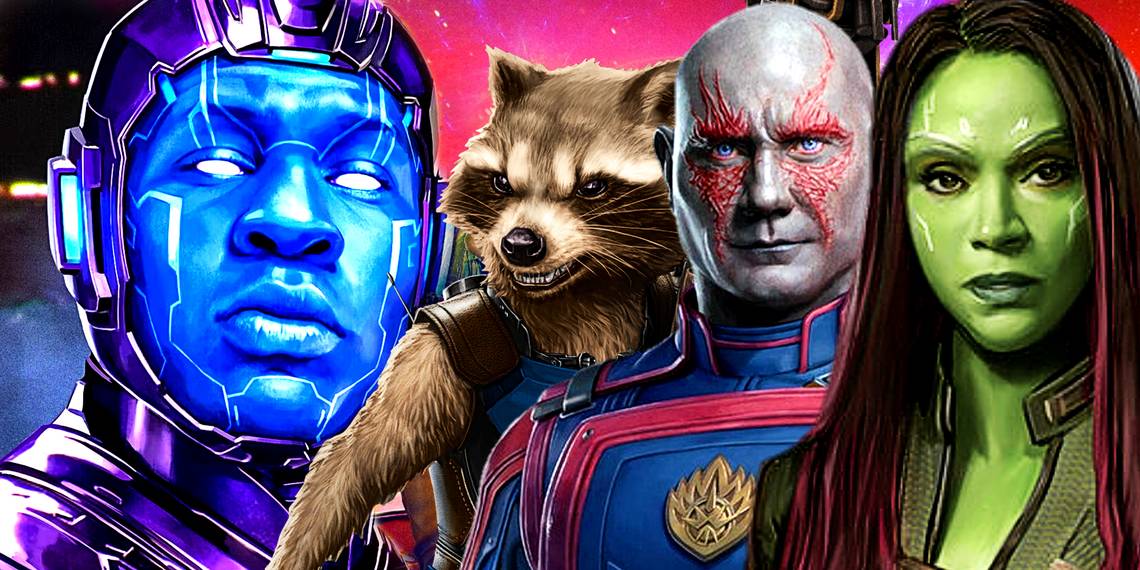
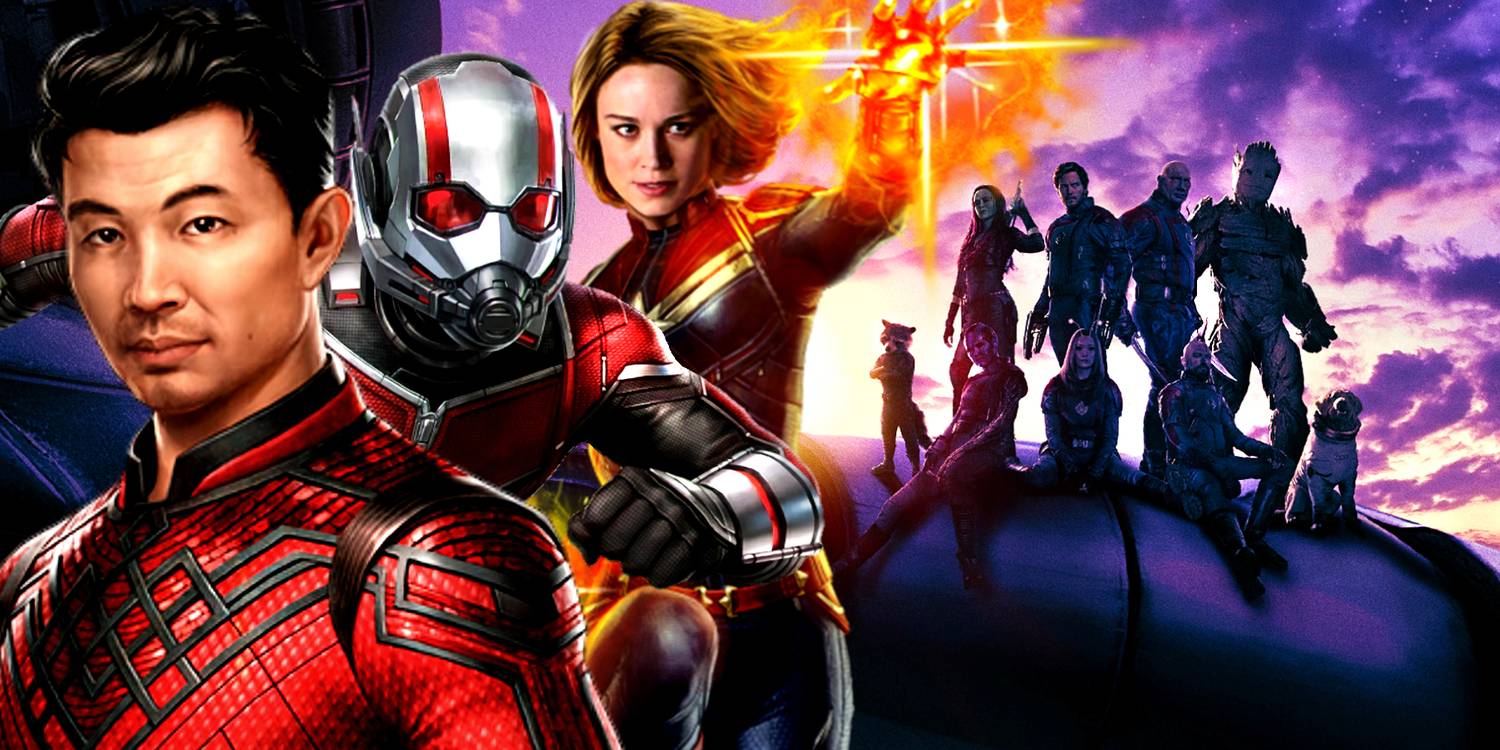
Guardians of the Galaxy Vol. 3's ending provides a clever solution for a potential problem involving the cosmic team's role in Avengers: Secret Wars. After Avengers: Endgame left the bar extremely high, the MCU has been left with the responsibility of matching the epic scale of the Infinity Saga's conclusion with Avengers: Secret Wars, which not only could gather together all past and present heroes but also their multiversal variants. However, some obstacles could arise before that happens.

The original Guardians of the Galaxy go on a final adventure together during the beginning of the MCU's Phase 5, which barely reaches the Multiverse Saga's midpoint. With a new Avengers team yet to take shape and the Council of Kangs' threat looming on the horizon, the Guardians' definitive farewell could have seemed premature, as their absence would have been deeply felt in Avengers: Secret Wars. Fortunately, Guardians of the Galaxy Vol. 3's post-credits scene confirms that the end of the trilogy won't take the Guardians completely out of the picture yet.


Avengers: Kang Dynasty and Secret Wars Need The Guardians of the Galaxy


Back in Phase 2, the Guardians of the Galaxy may have seemed like an odd addition to the MCU given their lack of popularity in comparison to the Avengers. But once established, it became quite clear that the Guardians were just as important as Earth's Mightiest Heroes, as they had personal connections to Thanos and plenty of motivations to save the universe. While their link to Kang the Conqueror isn't as strong, the Guardians of the Galaxy are still a key part of the MCU after Thanos' defeat, and not featuring them in the Avengers' final battle against Kang would be a disservice to the team.


GOTG 3 Proves The Original Guardians Don’t Need To Die Or Return

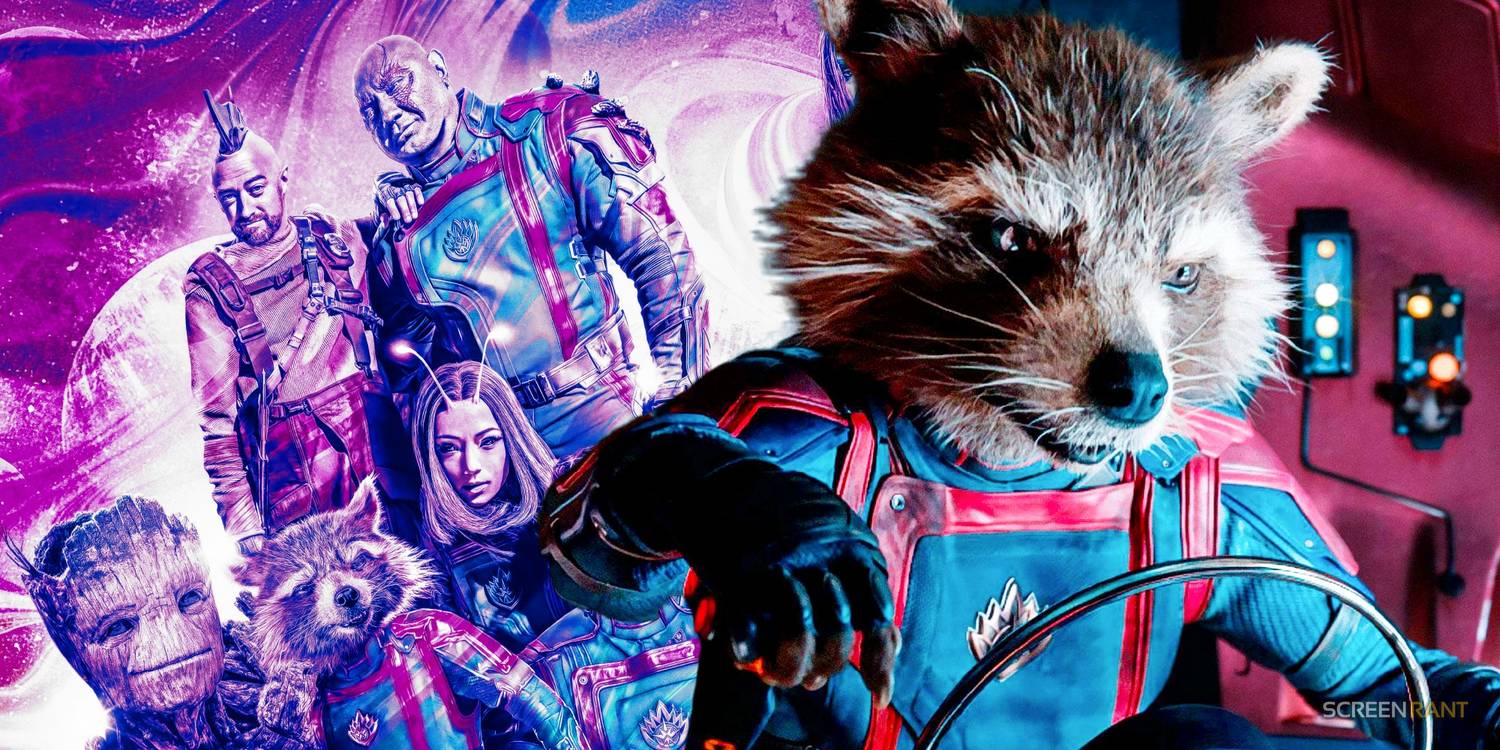
The release of Guardians of the Galaxy Vol. 3 years before Avengers: Secret Wars creates a dilemma: not bringing back the original Guardians could be disappointing, but bringing them back would negate their emotional farewell. Since none of the Guardians of the Galaxy died, the possibility of bringing back Drax and Gamora would still be open, risking their individual endings for another minor appearance. However, Guardians of the Galaxy Vol. 3 avoids all of these scenarios, as it didn't kill any Guardian in order to justify their future absence, but also introduced a new version of the team that will likely remain active when Avengers: Secret Wars arrives.
This way, the Guardians of the Galaxy will be able to appear in Avengers: The Kang Dynasty and Avengers: Secret Wars just like they did in Avengers: Infinity War and Avengers: Endgame, but the members who decided to retire can still enjoy a peaceful life offscreen. Drax, Gamora, and Mantis can continue their own journeys somewhere out there without risking their lives and without reversing the decisions they made during Guardians of the Galaxy Vol. 3's bittersweet ending. Even Nebula, who didn't explicitly abandon her penchant for fighting, can stay in Knowhere while the Avengers and the new Guardians fight Kang the Conqueror and his variants.

Avengers: The Kang Dynasty & Secret Wars Can Be The MCU’s Guardians Vol. 4 & 5


James Gunn has made it clear that his vision for the Guardians of the Galaxy has always taken the shape of a trilogy, which means that Guardians of the Galaxy 4 is highly unlikely. However, that doesn't mean that the Guardians of the Galaxy will stop playing a major role in the MCU after Phase 5. Just like Tony Stark kept his role as one of the Infinity Saga's protagonists long after Iron Man 3, the Guardians of the Galaxy can continue to evolve and influence the franchise in other movies and shows.

Cosmic MCU titles are always great opportunities to feature Rocket Raccoon's new Guardians of the Galaxy team, but Avengers: The Kang Dynasty and Avengers: Secret Wars can be the main movies that serve as a direct continuation to their MCU debut in Guardians of the Galaxy Vol. 3's first post-credit scene. After all, Avengers: Infinity War already had a similar impact on the original Guardians, as they shared the spotlight with the Avengers and experienced key events like Gamora's death and Star-Lord's ill-advised retaliation. Likewise, characters such as Adam Warlock, Phyla, and Cosmo can perfectly develop their full-fledged character arcs throughout the next Avengers movies.

Read More Comments

Marvel Still Needs To Explain Secret Wars' Biggest Mystery - 8 Years Later

Marvel Still Needs To Explain Secret Wars' Biggest Mystery - 8 Years Later


Eight years after its conclusion, Marvel Comics' Secret Wars event still leaves many questions to be answered, the most important one being which Marvel characters actually remember the destruction of the Multiverse brought by the Beyonders' Incursions and the following rebirth of creation in its new iteration, the Eighth Cosmos.

In 2015, Marvel launched the second event in its history titled Secret Wars, which brought to conclusion a very long storyline, developed chiefly in the pages of several Avengers titles. Every reality in the Multiverse was destroyed by a series of cosmic cataclysms called Incursions, created by the mysterious and all-powerful creatures called Beyonders. In the end, after the last two universes were destroyed, Doctor Doom managed to steal the Beyonders' power and salvage fragments from many universes, creating a patchwork world called Battleworld. Victor's rule as God Emperor Doom was interrupted by Reed Richards, who took the Beyonders' power for himself and, with the help of his son Franklin and of the Molecule Man, recreated the entire Multiverse, ushering in its new incarnation, called Eighth Cosmos.

In this new Multiverse, heralded by the All-New, All-Different line of titles, the Marvel heroes were reborn with no memories of the Incursions or of Battleworld, with a few notable exceptions. The Fantastic Four remember as they are responsible for kickstarting the new Multiverse. Doom also remembers because he held the Beyonders' power, as confirmed in the Infamous Iron Man series. A few more characters with superior cosmic awareness, such as Blue Marvel, are aware that something happened, an event of "multiversal renewal", whose exact nature however escapes them (as confirmed in 2015's The Ultimates). Other characters have had glimpses, brief flashbacks, or déjà vu of their previous lives, but without grasping the full implications. Besides that, Marvel purposefully left everything vague, which creates a lot of unnecessary confusion, even eight years later.


The major issue is that it's not clear how much of the past history of the characters who were reborn in the new Multiverse coincides with their history in the Seventh Cosmos. The most famous example is the relationship between Captain America and Iron Man. During the Incursions, these two ended up drifting apart and becoming bitter enemies. Their last act while the universe collapsed around them was to fight each other ruthlessly. In the Eighth Cosmos they have no memory of this (as well as of the Incursions), however, they remember other parts of their past. At the same time, it's not like the Incursions and Secret Wars were the only events erased. For example, Iron Man's inversion of morality caused by the Axis event was also canceled, even if it happened long before Secret Wars.

The purpose of Secret Wars and All-New, All-Different Marvel was to relaunch the entire House of Ideas line, rejuvenating its stories and characters to help new readers get started. However, because a "full reset" would have met with a huge backlash from longtime fans, Marvel opted for this mixed approach that ended up tangling its continuity further, especially for characters who already had a history of retcons, such as Spider-Man. This decision also erased some really compelling storylines, such as Iron Man and Captain America's bitter feud. Overall, while the relaunch that followed Secret Wars was indeed successful, Marvel Comics still needs to explain the exact consequences that the recreation of the Multiverse had for its characters.


Read More Comments

Mark Ruffalo Says Avengers: Secret Wars Will Go Out With a 'Big Bang'

Mark Ruffalo Says Avengers: Secret Wars Will Go Out With a 'Big Bang'


Mark Ruffalo has hinted that Avengers: Secret Wars will be an explosive conclusion to the Multiverse Saga.

In an interview with Entertainment Weekly at the premiere of She-Hulk: Attorney at Law, Ruffalo was asked how Secret Wars would compare to 2019's Avengers: Endgame. "Well, it’s gonna be hard to top Endgame, but if I know [Marvel Studios President] Kevin [Feige] and if I know Marvel, it’s gonna be pretty amazing," the actor revealed. "It’ll be a big bang, we’ll go out with a big bang." Ruffalo, who portrays Bruce Banner/The Hulk in the Marvel Cinematic Universe, also addressed rumors that a World War Hulk movie was in development, stating, "Any time they want to do it, I'm here."

Avengers: Secret Wars was announced at 2022's San Diego Comic-Con and will serve as a direct sequel to Avengers: The Kang Dynasty. Phase 4 of the MCU has already started setting up Secret Wars with the end-credits scene for Doctor Strange in the Multiverse of Madness mentioning an impending incursion event. The term "incursion" means two worlds are about to collide and is from the 2015 Secret Wars comic book storyline. Marvel Studios has not yet confirmed whether it is adapting the comic book storyline or simply using the title for the film, which the company has done in the past with Avengers: Age of Ultron.

The Multiverse Saga Will Take the MCU in New Directions
Phases 4, 5 and 6 of the MCU will encompass The Multiverse Saga, Marvel's successor to The Infinity Saga. The MCU has already started to explore the concept of the multiverse with Loki, Doctor Strange in the Multiverse of Madness and WandaVision, and Brad Winderbaum, the head of streaming for Marvel Studios, has hinted that the multiverse will allow for "unexpected" crossovers between projects. "I think what's amazing about the Multiverse Saga, in particular, is that you can go down so many more roads," Winderbaum said. "[...] it allows us to look at alternate paths and other takes on the characters, which is, of course, what happens in the comic books as different artists, different writers, different storytellers work with characters."

No writer or director is attached to Avengers: Secret Wars at this time. Destin Daniel Cretton, who directed 20221's Shang-Chi and the Legend of the Ten Rings, will direct Avengers: The Kang Dynasty but is reportedly not expected to direct Secret Wars. Anthony and Joe Russo, despite previously showing interest in directing a Secret Wars adaptation, will also not be directing the sixth Avengers movie.

Avengers: Secret Wars opens in theaters on Nov. 7, 2025, six months after Avengers: The Kang Dynasty, which hits cinemas on May 2.

Source: Twitter

Read More Comments

Ms. Marvel TV Writer Addresses Kamala's Role In Avengers: Secret Wars

Ms. Marvel TV Writer Addresses Kamala's Role In Avengers: Secret Wars


MCU fans were eating well this past weekend during Comic-Con San Diego 2022. Marvel Studios announced almost all the projects that make up Phase 5, including the previously revealed Thunderbolts movie. The biggest surprises, however, were what they announced in 2025: two Avengers films within six months of each other.


The first was The Kang Dynasty, and the second was the highly anticipated (and often rumored) Secret Wars adaptation. These two projects are undoubtedly going to be massive, but who will make up the cast?


Someone like Iman Vellani’s Ms. Marvel is almost a certainty when it comes to playing some sort of role in the big Multiverse Saga culmination. But what will she have to bring to the table?

After all, her origin Disney+ series depicted her more on the street-level side of the MCU and not quite part of Kang’s Multiverse arena. So what will the newly-minted hero from New Jersey be able to bring to the fight against Kang in the next two Avengers films? Well, The Direct asked that very question to one of Ms. Marvel’s writers.

Ms. Marvel's Role to Play in Avengers


In an exclusive interview with The Direct’s Russ Milheim, Ms. Marvel writer Fatimah Asghar commented on how she thinks Kamala Khan could factor into the newly announced Avengers: The Kang Dynasty and Avengers: Secret Wars.


Addressing how a small-scale hero like Kamala could play into a project with as much scope as an Avengers film, Asghar noted that “there’s so much we have not seen” when it comes to Kamala Khan and what she’s capable of. 

Kamala Khan Takes on the Multiverse


It makes perfect sense for Kamala Khan to be the heart of those big ensemble movies. She is an insanely relatable character, and her energy is contagious—so there’s really no better role to be in.

But if she fills in Spidey’s heart of the narrative, what will good ol’ Peter Parker do? There’s no way Marvel will have Holland sit out those two massive Avengers films, so audiences will likely get plenty of interaction between two of the biggest hearts in the MCU.

As for Ms. Marvel being known on a street level, it’s sometimes hard to forget how that is likely going to change since she’ll be on a cosmic adventure with Captain Marvel and Monica Rambeau in The Marvels next summer. Kamala could very easily rise in the ranks when it comes to their power levels.


Kang is a force of nature, however, so it will be extremely interesting to see how Ms. Marvel will end up factoring into that conflict. Hopefully, Vellani’s future MCU stories live up to all the potential that Kamala Khan can offer to the Marvel Cinematic Universe.


Ms. Marvel is available to stream on Disney+, while Avengers: The Kang Dynasty will hit theaters on May 2, 2025, and Avengers: Secret Wars will land on November 7, 2025.

Read More Comments