Jujutsu Kaisen Season 2 Episode #13 Release Date & Time

Jujutsu Kaisen Season 2 Episode #13 Release Date & Time


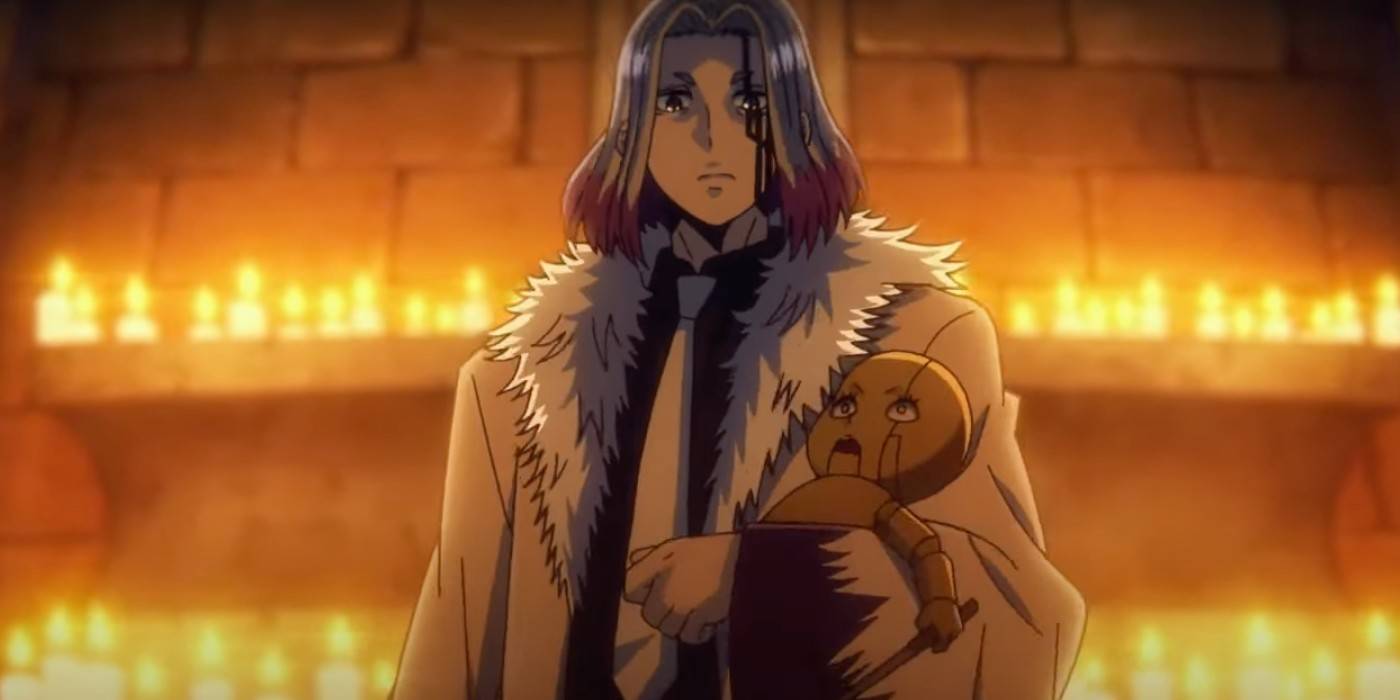
After a lot of fighting, Jujutsu Kaisen's latest episode ended on a great cliffhanger and hopefully Season 2 Episode #13 will give it a satisfying resolution. Based on how great the show's latest fights have been, this is almost guaranteed. In addition, a lot of manga readers have justifiably high expectations of this next fight so that Studio MAPPA may go all out for this next battle.


What Time Jujutsu Kaisen Season 2, Episode #12 Releases


Jujutsu Kaisen season 2 episode #13 will be airing in Japan at midnight Japanese Standard Time (JST) on Thursday, October 19. It will be simulcast on Crunchyroll on October 19 at 10 a.m. Pacific Time (PDT), 12 p.m. Central Time (CT), and 1 p.m. Eastern Time (EST). For Jujutsu Kaisen fans in the UK, the episode will be released at 18:00 British Summer Time (BST). The release date for the dubbed version of the episode is unknown at this time, but it will likely premiere on Crunchyroll or Funimation at a later date.


What Happened in Jujutsu Kaisen Season 2 Episode #12?


Episode #12 checked in on various characters present in Shibuya who haven't yet been given time to shine. Most notable of these is Nanami who begins the episode coming across the bodies of the assistant directors. The episode also focuses on Nobara and Nitta who encounter a disturbed sorcerer who gives them some trouble until Nanami shows up and brutally takes him down. Meanwhile, Mei Mei encounters the main villain of the arc "Geto" who releases a dangerous Smallpox Curse that attacks her. The episode ends leaving that battle unresolved and showing Yuji encountering Choso, who immediately unleashes an attack on him, initiating yet another fight.


Jujutsu Kaisen Season 2 Episode #13 Will Accelerate The Pace


Given both Mei Mei and Yuji are now engaged in fights, episode #13 is almost guaranteed to focus on these battles. Both of these clashes will likely push the protagonists to their limit as they each face a special grade curse. In addition to these fights, the popular villain Toji is now back and seems to be itching for fights against Jujutsu sorcerers. This means that he may also engage some of the protagonists in a fight, potentially even clashing with his own son Megumi. All of this isn't even counting the various disaster Curses who were absent in episode #12 like Mahito and Jogo who are currently scouring Shibuya for Yuji but likely wouldn't hesitate to fight any other sorcerer who gets in their way.

The rest of the Shibuya Incident seems like it will have a lot of awesome fights based on how episodes #11 and #12 went. If these fights live up to the standard set by something like Gojo vs the Special Grade curses, which happened right before he got sealed, then this nonstop action could make the Shibuya Incident one of the best Shonen arcs of all time. Jujutsu Kaisen Season 2 Episode #13 will be a good barometer for how well MAPPA will handle the rest of the season and whether the fights will be done as much justice as they deserve.


Don't miss Jujutsu Kaisen season 2 episode #13 when it airs on Crunchyroll on October 19, 2023.

Read More Comments

Dragon Ball GT Confirmed Goku's True Successor Long Before Super

Dragon Ball GT Confirmed Goku's True Successor Long Before Super

Since the start of Dragon Ball Super, many Dragon Ball fans have overlooked some elements established by the original sequel series, Dragon Ball GT–including Goku’s true successor, who’s about to take on a starring role in the DBS manga. Goku has been the main protagonist of Dragon Ball since the very beginning of the series. In the first chapter, Goku is introduced as a small child, wandering the woods alone, totally primed for adventure–and sure enough, adventure soon finds him in the form of a teenage girl named Bulma who invites Goku on a journey around the world to hunt for wish-granting Dragon Balls.
During this initial run, Goku is depicted as a hero who simply couldn’t be beaten as he dismantles crime syndicates, topples fascist regimes, and even kills a demonic overlord with relative ease. It isn’t until Dragon Ball Z when Goku is truly put to the test in the form of increasingly powerful villains that force Goku to push himself further than he’s ever gone before. Not only that, but more interesting fighters were introduced in Z who challenged not just Goku physically, but also his role as the main character–including one in particular who wouldn’t become Goku’s obvious successor until GT.

Trunks is Actually Goku's Successor in Dragon Ball GT


In Dragon Ball GT season 1, episode 7 (written by Aya Matsui, directed by Osamu Kasai, produced by Toei Animation), Pan, Goku, and Trunks find themselves on an alien planet while searching the cosmos for the Black Star Dragon Balls. When they track one of the Dragon Balls to a village on this particular world, the villagers tell the Z-Fighters that they are being terrorized by a horrible Dragon Ball villain named Zoonama. Zoonama (who looks like a giant, anthropomorphic catfish) seemingly has the power to create earthquakes by vibrating his whiskers, and he uses this to force the villagers to do whatever he says–including forcing them to offer him a bride. In order to get close enough to defeat Zoonama, Trunks dresses up like the bride who was chosen to marry Zoonama and tricks the villain–giving the Z-Fighters the advantage they needed to defeat him.

Trunks dressing like a bride to trick and then defeat a giant villain who’s terrorizing a small town is literally the exact same plot line as a previous story within Dragon Ball canon–except it was originally Goku who dressed as the bride. In Dragon Ball chapter 5 by Akira Toriyama, the shape-shifting villain-turned-hero, Oolong, makes himself appear as a giant beast who is terrorizing a town and forces the people who live there to offer him a bride. So, Goku dresses as a bride, tricks Oolong, and takes him down. This early Dragon Ball chapter details one of the first missions Goku had ever been on, so for Trunks to follow in Goku’s footsteps that specifically means that he is destined to take up the mantle as Dragon Ball’s main protagonist moving forward–and the current plan for the future of Dragon Ball Super only solidifies that.

The next Dragon Ball Super manga saga will star Goten and Trunks rather than Goku and Vegeta. This is a big deal as it marks the first time Goku won’t be at the center of the franchise for an ongoing storyline, leaving Trunks free to claim his spot as the new series protagonist. While it is true that Trunks will be sharing the spotlight with Goten, it is still a safe bet to say that Trunks will be the main focus as his character has been way more fleshed out throughout the franchise–including both sagas involving Future Trunks in Z and Super plus his co-starring role in GT. Trunks is already one of the biggest names in Dragon Ball, and this episode of Dragon Ball GT showing Trunks literally filling a role once played by Goku just confirms that Trunks is Goku’s true successor–and he has been long before Dragon Ball Super.
Read More Comments

One Piece: Who Is Zunesha And What Is Their Connection To Joy Boy

One Piece: Who Is Zunesha And What Is Their Connection To Joy Boy

As seen in One Piece's most recent episodes, Monkey D. Luffy's Gear 5 form has drastically altered the landscape of the Grand Line, officially elevating the Straw Hat Pirate to the same level as the other Emperors of the Sea. However, prior to his groundbreaking transformation, Luffy was seconds away from defeat. The World Government — and, more specifically, CP0 — intervened in his clash against Kaido, distracting the series' protagonist and thereby allowing his opponent to land a devastating blow. Thankfully, as Luffy lay on the brink of death, an unexpected figure arrived to herald the Awakening of his Devil Fruit: Zunesha.

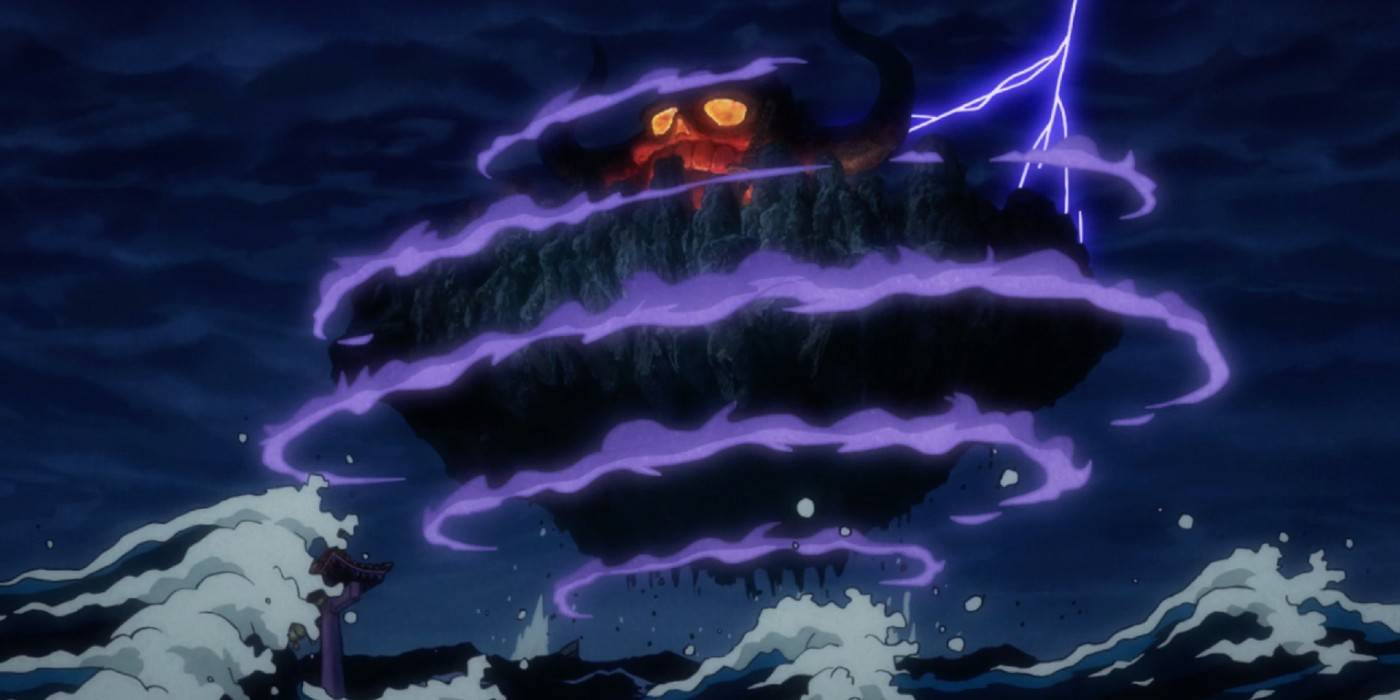
Excluding the mysterious shadows seen in the Thriller Bark Arc, Zunesha is the largest creature to appear in One Piece. The ancient elephant stands over 20 miles tall and has lived for over 1000 years, simultaneously making it the oldest living being in the franchise as well. Because of its age, Zunesha has a direct connection to the Void Century and the era's most prominent figure — Joy Boy. When Monkey D. Luffy breaks through and achieves his Gear 5 form, Zunesha loudly proclaims that Joy Boy has returned, signaling that their relationship should finally be explored in the near future.

Related:
One Piece Finally Confirms Zoro's Family Heritage And His Connection To Wano


The Origin of Zunesha


When Monkey D. Luffy, several members of his crew, and Trafalgar D. Water Law leave Dressrosa, they depart for the island of Zou in an attempt to reunite with the remaining members of Straw Hat Pirates. Unbeknownst to them, this island is found atop the back of the ancient Naitamie-Norida elephant known as Zunesha, which has served as the home of the Mink Tribe for several centuries. At first, the creature seems to simply be another example of the strange geography that characterizes the New World, but as its history is slowly revealed, Zunesha's connection to the history of One Piece and its most significant figure becomes evident. Thanks to Kozuki Momonosuke's knowledge and ability to speak the Voice of All Things, he reveals that Zunesha is over 1000 years old, immediately establishing the elephant as a potential source of information regarding the Void Century.

While Momonosuke and the Straw Hat Pirates are exploring the island of Zou, Zunesha is attacked by a dangerous enemy — Jack the Drought. Rather than defend itself as would be expected of a creature of its magnitude, Zunesha is forced to ask for permission to repel Jack and his Beast Pirate subordinates. After giving the command to attack the enemy forces, Momonosuke explains that Zunesha is forced to wander the seas as punishment for a crime committed many years ago, unable to perform any other actions unless directed by a wielder of the Voice of All Things. This fact brings Zunesha's origin into question and begs two questions: what was Zunesha's crime, and who could impose such a punishment? Given recent revelations that occurred in the Raid on Onigashima, a single character seems to hold the key to answering these questions.

Zunesha's Mysterious Connection To Joy Boy


While the Raid on Onigashima rages above the land of Wano, Zunesha unexpectedly arrives in the waters near the island, prompting Yamato and Momonosuke to discuss its relationship to the most important historical figure in One Piece — Joy Boy. According to the journal of Momonosuke's father, Kozuki Oden, Zunesha was an accomplice to Joy Boy during the Void Century. This is the first direct connection to the legendary character since his apology to the Fish-Men was found by Nico Robin in the Sea Forest, and it also provides the first clue regarding the unknown crime committed by the ancient elephant several centuries prior to the events of the series. During Momonosuke's conversations regarding Zunesha, he hints that the elephant's punishment stems from actions that it committed during Joy Boy's life, further establishing a bond between the two.

As Monkey D. Luffy and his allies battle against the combined forces of Kaido and Big Mom, Zunesha's exact reason for arriving in the seas of Wano remains unclear. However, as soon as the Straw Hat Pirate Awakens his Devil Fruit, Zunesha's eyes spring to life for the first time since appearing in One Piece, reignited by a familiar feeling that the elephant hadn't experienced in centuries. Zunesha loudly heralds the return of Joy Boy as Luffy seemingly rises from ashes, creating an undeniable parallel between the historical figure and Luffy's brand-new Gear 5 form — this parallel is further established when Zunesha compares Monkey D. Luffy's loud heartbeat to that of his former ally. Although fans can only speculate as to the nature of Joy Boy's connection to Zunesha, the elephant's repeated comparisons between his former ally and Monkey D. Luffy are more than enough to establish that Zunesha was intimately familiar with the legendary figure.


Following the Straw Hat Pirates' defeat of Kaido, Momonosuke asserts that he is not quite ready to open the borders of Wano, which ultimately prompts Zunesha to part ways with the series' protagonists once again. Presumably, the Naitamie-Norida elephant will go back to wandering the seas of the New World. That being said, its undeniable connection to Gear 5 Luffy and Joy Boy has many fans wondering if the ancient, island-carrying creature will start to play a more active role in One Piece's narrative, especially with an all-out war against the World Government looming on the horizon.

As Kozuki Momonosuke prepares to serve as the shogun of Wano Country, Zunesha patiently awaits his command in the nearby seas of the New World. One Piece's final saga is primed to uncover the secrets of the Void Century, so the bond between the land of Wano, Monkey D. Luffy's Gear 5 form, Zunesha, and Joy Boy is sure to be explored soon — likely at the expense of the Celestial Dragon's vice-grip on the Grand Line.
Read More Comments

One Piece Finally Confirms Zoro's Family Heritage And His Connection To Wano

One Piece Finally Confirms Zoro's Family Heritage And His Connection To Wano

One Piece's author Eiichiro Oda finally answered one of the biggest questions that fans had about his record-breaking manga, concerning Zoro and his family that spawned countless theories. Through the SBS (Q&A section) of volume #105 of One Piece, Oda confirmed that Zoro is indeed a descendant of the Samurai of Wano.

In the SBS of volume #105 of One Piece, shared and translated by many online sources, including Artur - Library of Ohara, Eiichiro Oda takes the chance to clarify once and for all Zoro's ancestry, revealing that he is, indeed, a descendant of the Shimotsuki clan from Wano. Shimotsuki Kouzaburo, a legendary swordsmith who forged Oden's sword, Enma, left the secluded land of Wano 55 years before the current events in the series, with a group of 25 people. Among them was Shimotsuki Furiko, the elder sister of Shimotsuki Ushimaru, who would later become the Daimyo of Ringo and die fighting Kaido after his takeover of Wano. After arriving in East Blue, ten people from Kouzaburo group settled there and founded Shimotsuki village. Furiko married a fellow Wano native called Roronoa Pinzoro. They gave birth to a son, Roronoa Arashi, who married a woman from East Blue and became Zoro's father.

Eiichiro Oda Confirms That Zoro Is a Descendant Of The Shimotsuki Clan From Wano


Fans always suspected that Zoro could have a connection to the land of Samurai, and these suspicions grew even more after Yamato's flashback revealed the aspect of Shimotsuki Ushimaru, who looks identical to Zoro. Another flashback then revealed that Kouzaburo lived in Zoro's village and gave him his first swords, unleashing all sorts of theories and speculations. However, Oda said that, while there was definitively a story about Zoro's past, he was probably not going to address it in the manga. In fact, despite being one of the best arcs in One Piece, Wano left fans disappointed for not addressing the mystery of Zoro's connection with Ushimaru and his ancestor, the legendary samurai Ryuma, known as "the god of the blade".

Zoro actually met Ryuma, or rather his corpse, in Thriller Bark, where he had been reanimated by Gecko Moria's powers to serve as one of his zombie generals. After being defeated by Zoro, Ryuma gave him his sword, Shisui, which the Straw Hat dutifully returned to Ryuma's grave in Wano. This revelation of Zoro's family tree makes the character even more interesting. Zoro is not only the great-nephew of Ushimaru, one of the last Daimyo of Wano, and a direct descendant of the legendary Ryuma, but he is also a distant relative of Kuina, his childhood friend whose tragic death inspired him to become the strongest swordsman in the world.

Zoro's Ancestry Shows That Destiny Is A Powerful Force In One Piece


It is understandable that Eiichiro Oda decided to leave Zoro's family backstory out of the manga. One Piece is currently in its final saga, and there is already a huge number of plot threads, mysteries to unravel, and characters taking part in the action. Considering Zoro's personality, and the fact that his parents died when he was young, he must be completely unaware of his heritage. However, destiny is a powerful force in One Piece, and thus Zoro got the chance to meet his legendary ancestor and also free his country of origin from Kaido's tyranny, fulfilling his duty as a descendant of the Shimotsuki clan.

All the volumes of One Piece are available from Viz Media.

Source: Artur - Library of Ohara.
Read More Comments

Luffy's First Meeting With The Five Elders Shows The Straw Hats' True Power

Luffy's First Meeting With The Five Elders Shows The Straw Hats' True Power


Warning: Spoilers for One Piece chapter #1089

Luffy and his crew have finally come face to face with the leaders of One Piece's world, the Five Elders, and by instantly getting the better of them, the Straw Hats have proven how powerful and dangerous they are. The World Government has sent the largest fleet that any pirate has had to face to shut down Luffy's newly awakened Gear 5th powers and Dr.Vegapunk's research, but right when the Five Elders believed they had already won thanks to their spy on Egghead Island, it was revealed that they have been fooled by the formidable Straw Hat Pirates.

The last time the Straw Hats were shown in the manga, they had a lot of trouble to deal with. Vegapunk's nearly invincible Seraphim, the return of the Rob Lucci along with other World Government assassins, and the betrayal of Dr. Vegapunk's Satellite of Greed, York, all created a dire situation for Luffy and his crew. However, in chapter #1089 of One Piece, series creator Eiichiro Oda decided to show how far the Straw Hats have grown by showing them having already conquered York and even getting the upper hand on the Five Elders.

Luffy And The Straw Hats Finally Face The Five Elders


York was willing to betray and destroy all of Dr. Vegapunk to become a Celestial Dragon. Her plan almost worked with her gaining control of the mighty Seraphim on the island, but she underestimated the Straw Hats. It is notable that, even if it happens via Den Den Mushi (snail phone), this is the first meeting between Luffy's crew and the Five Elders, the group of Celestial Dragons who apparently run the One Piece world (but actually answer to Imu). Considering how powerful and untouchable the Five Elders are, the fact that not only their plans involving York have been foiled, but they have also been tricked into revealing the truth, is a humiliation they won't forget soon.

The fearsome reach and devastation the Five Elders are capable of were recently displayed with the erasure of the Lulusia Kingdom and the murder of Alabasta's King Cobra during the Reverie. It is significant, however, that Oda decided to skip showing how the Straw Hats beat the Seraphim and got control of the Labophase. This was likely meant to create a strong and effective contrast between the dire situations the Straw Hats were in and their cool, triumphant attitude in the final panel of the chapter, further reinforced by the use of an epic double-page spread, showing the Straw Hats in control of Egghead Island with Vegapunk safe while showing zero fear or worry.

Even Usopp And Nami Look Ready To Fight 30,000 Marines


This is a significant sign of the whole crew's newfound confidence and shows have far Luffy's crew has grown. With one hundred battleships surrounding Egghead Island, led by Elder Jay Garcia Saturn and Admiral Kizaru, the current arc was setting up the possibility of ending like Thriller Bark with the arrival of a powerful enemy that outclasses Luffy's crew as Kuma did back then. However, a lot of things have changed since then. Chapter #1089 of One Piece proves how much Luffy and the Straw Hats have grown by showing them confident and in complete control of the perilous situation they were left in, starting their inevitable clash against the Five Elders on the right foot.

The latest chapter of One Piece is available on the Shonen Jump App and from Viz Media.

Read More Comments

What Is the Will of D in One Piece?

What Is the Will of D in One Piece?


For over 25 years, Eiichiro Oda's One Piece has been keeping both manga and anime fans enthralled. Its often zany antics combine with intrigue, emotional and physical trials and, of course, mystery. One of the greatest mysteries of One Piece, apart from the nature of the One Piece treasure itself, has been the ongoing appearance of the D initial in a number of character's names. From Luffy D Monkey to Gol D Roger, it's definitely not a coincidence for all these pirates to carry the same mysterious middle initial. Often referred to as the Will of D, it suggests a unique connection between some seemingly unrelated people, and the strangest part is that many of those who carry it don't actually know what the D means.

Oda assured fans long ago that the D does have significance, noting that it would reveal itself in time. Some information has been made clearer over the years, but there haven't been a lot of concrete revelations defining the Will of D. With the little information peppered throughout both manga and anime, some conclusions have been drawn, but do they lead fans any closer to answers about the Will of D? First, it's important to take a look at everything that's been revealed so far.


What Is the Will of D Meaning and Mystery?
Across the seas of One Piece, there have been a number of characters revealed to have a D in their name. One of the most well-known has been the series' main protagonist, Luffy D Monkey. Early on, the recurrence of the D in other character names had fans wondering how, if it all, these characters were related

For some, like Luffy, the D has been passed down through the generations, but that doesn't necessarily seem to be the case for everyone. As the mystery surrounding the Will of D began to unfold across hundreds of episodes, it became obvious that even if these characters didn't share a family tree, they did have commonality. All were leaders in their own right, with a knack for expressing their deep desire for personal freedom and following one's dreams.

Gol D Roger and the Roger Pirates knew the deeper meaning of the Will of D, and when asked by Whitebeard what it meant, he agreed to explain. Unfortunately for fans, the flashback scene faded before they could get the answer, too, which seems to be Oda's way of trying to express the need to discover the answers on their own. This has been a repetitive theme in One Piece, with Luffy especially refusing to simply be given answers to the great mysteries. Where's the fun and adventure in that?

In Episode 703, Former Celestial Dragon Donquixote Rosinante told Trafalgar Law that he came from the fated D family after discovering he had the initial in his name. In Rosinante's childhood country, parents were often known to tell misbehaving children that they would be eaten by "D" if they didn't straighten up. He also noted that the elders were fearful of the "storm" members of the secret D family were known to cause, saying that they were often referred to as the Natural Enemy of God, or rather, Celestial Dragons, which are known to be gods. It was also noted later by Imu that the D were considered enemies of the Great Kingdom during the Void Century, suggesting that they have long been the active opposition against oppression and domination.
Read More Comments

One Piece Manga Based on Ace's Story Receives 2024 Release Window

One Piece Manga Based on Ace's Story Receives 2024 Release Window


Portgas D. Ace, the older brother of Monkey D. Luffy, will get his own One Piece manga spinoff in 2024.

The iconic supporting character from Eiichiro Oda's legendary series will take to the page once again as the English translation of his light novel series manga adaptation will have a Spring 2024 release date, as confirmed by Sportskeeda. This manga will bring the two-part One Piece: Ace's Story novels, written by Sho Hinata and Tatsuya Hamazaki, to life with an official English translation. Boichi, the artist behind the popular Shonen series Dr. Stone, illustrates the spinoff. VIZ Media's account revealed all of this information in a tweet, featuring a look at the cover art.
One Piece's Spinoff Manga Will Follow Ace's Adventures
This supplemental miniseries is a prequel to the mainline One Piece manga and follows Ace as he leads his first pirate crew, the Spade Pirates. It also delivers the origin of his discovery of the Mera Mera no Mi Devil Fruit, which grants the character his fire powers, earning him the nickname "Fire Fist" Ace. As the story progresses, it falls into the events of the official manga and has been confirmed as canon by Eiichiro Oda.

Ace is a popular figure in the One Piece franchise, known for his powerful Devil Fruit abilities, his role as an inspirational figure to Luffy and his compassion. The character is not biologically related to the protagonist but still takes the position of a "sworn brother" to him and Sabo. While incredibly powerful, Ace still has many flaws, leading to an infamously heart-wrenching moment within the story.

One Piece is a hectic series at the time of writing, as the prolific anime adaptation from Toei Animations is currently receiving a boatload of praise for its latest season. The newest One Piece episodes adapt the "Wano Country" arc and have been proclaimed some of the strongest in the anime's history. The franchise will also become a live-action as a Netflix series is in development. Fans have already seen the live-action version of the Going Merry and hope the company will adapt the property well. Eiichiro Oda has confirmed that it will only be released once he is happy with it.

One Piece's Hiatus for Eiichiro Oda's Health
While the adaptations are thriving, the manga is set to take a break as it's currently on a four-week hiatus. This is due to Oda preparing for eye surgery, which many hope will allow the artist to manage his health struggles better.

The mainline One Piece manga is available to read through Viz Media, with the One Piece: Ace's Story novels' English translations purchasable at most participating bookstores.
Read More Comments

One Piece Episode 1065 Release Date & Time

One Piece Episode 1065 Release Date & Time

Luffy and Kaido’s fight in One Piece is getting more and more intense as each episode airs. With the anime continuing its string of excellent episode, fans should be in for a treat when episode #1065 airs this weekend.


What Time One Piece #1065 Releases


One Piece's episode #1065, titled "The Destruction of the Alliance?! Fire up, the Will of the New Generation!", will release on Sunday, June 11 at 9:30 am Japanese Standard Time (JST). It will then be simulcast on Crunchyroll on June 10 at 7:00 pm Pacific Time, 9:00 pm Central Time, and 10:00 pm Eastern Time in the US. It will air on Sunday, June 11 at 3:00 am British Summer Time for One Piece fans in the UK. Fans of the English dub will have to wait for that version to premiere on Funimation at a later date.

What Happened in Episode #1064 of One Piece?

Episode #1064 featured a major escalation in Luffy’s fight with Kaido, as the Yonko unleashed his new Drunken Fighting Style. This made the battle much tougher for Luffy and also reignited fan debate over whether Kaido’s darkened scales indicates that he has awakened his Devil fruit. Their fight seems far from over however, despite the pummeling that Luffy received. The episode also cut to the five elders on Mariejois as they discussed the situation unfolding in Wano. They also mention a mysterious Devil Fruit that the World Government had to rename and that hasn’t been awakened for a very long time. As they have this discussion, the giant elephant Zunesha appears at Wano for unknown reasons.

One Piece #1065 Will Ramp Up the Action Even Further

Episode #1065 is sure to continue Luffy’s climactic fight with Kaido. Given Kaido’s newfound strength, One Piece will have to show Luffy coming up with a new technique to defeat him or else risk losing to him again. The episode will also likely feature more of the five elders’ mysterious discussion about this dangerous Devil Fruit. Of course, it will also likely explain why Zunesha has come to Wano and what it intends to do there. While the giant elephant would potentially be a great help to Luffy’s forces in the battle at hand, its gigantic size might make it too unwieldy to help in a meaningful way.

The name of the episode also provides some potential clues as to its plot. The Alliance mentioned could either be the Alliance between Luffy’s forces or the Alliance between Kaido and Big Mom, but if either faction dissolves then it will greatly change the whole dynamics of the battle. The “New Generation” likely refers to Luffy, Kidd, and Law, who are part of the up-and-coming generation of pirates seeking to replace the old guard of Big Mom and Kaido. So if their will is getting fired up, the next episode could feature more of Law and Kidd’s battle against Big Mom. All of these fights will hopefully be on a similar quality level as Zoro and King's epic fight. To find out for sure what happens in One Piece Episode #1065, fans will need to watch it when it airs on June 10th!
Read More Comments

Demon Slayer Needs to Cool It With Its 'Dead Mom' Act

Demon Slayer Needs to Cool It With Its 'Dead Mom' Act


Demon Slayer has plenty of family drama to drive its story along, including the frequent deaths of the main characters' parents. Shonen anime fans are used to the "dead protagonist parents" trope, starting with Kie Kamado's death at Muzan Kibutsuji's hands, but Muichiro Tokito's recent flashback has finally gone too far with the "dead mom" trend in Demon Slayer.

Most of Demon Slayer's mothers seem to exist solely so they can die and give their sons tragic backstories to motivate them, and it has become shallow and repetitive to see. Muichiro's unnamed mother wasn't even slightly developed as a person, partially ruining the point of Muichiro regaining his memories of his childhood and family.


Muichiro Tokito's Memories & Dead Mothers In Demon Slayer


In Demon Slayer's "Swordsmith Village" story arc, Muichiro was introduced as the absent-minded but stern mist Hashira, a young man who's all business and evidently has no emotional attachments to anything. Then protagonist Tanjiro Kamado passionately urged Muichiro to fight hard for others, which helped Muichiro recall his childhood memories. In those days, he wanted so badly to help others, but his overbearing brother Yuichiro had other ideas. The brothers couldn't save their mother, after all, and their father died trying to help her. This clearly explained Muichiro's mindset, but it also did a disservice to the brothers' unnamed mother.

In Muichiro's memories, his mother served only as a plot device and nothing more. She had no name, no dialogue and no personal development, becoming yet another dead mom whose passing motivated the hero. Muichiro's father was hardly any better, with his anticlimactic death reinforcing the grim point Yuichiro wanted to make about the risks of helping others. Even if shonen anime often takes parents lightly and kills them off for drama's sake, this flashback with Muichiro regaining his memories is a waste. Muichiro's unnamed mother joins the ranks of Kie Kamado, Genya's mother, and even Daki and Gyutaro's mother as token Demon Slayer moms who died simply so the characters would have something to cry about.

All this does a disservice to Demon Slayer's most wholesome and lovable characters -- the mothers who gave everything for their sons and daughters. Demon Slayer's flashbacks are thus becoming same-y with all these helpless moms getting killed off, and it actually harms rather than helps the series' emotional core. Strong emotions are a major foundation of the franchise, and if the emotions derive from the same overused trope that insults the series' most underrated female characters, it may bother even the most devoted fans. This trope is sticking out for all the wrong reasons.

How Demon Slayer Can Improve Its Mothers

Even if shonen parents are expected to play only minor roles so their teenage kids can be the stars, Demon Slayer can and should give the parent characters, especially the mothers, a little more substance. They can be more than convenient plot points to drive the story's drama -- they can also be inspirational and influential characters, and Demon Slayer's main cast will owe their mothers everything if this is done right. So far, Tanjuro Kamado is the series' best parent, with Tanjiro's memories of Tanjuro's ceremonial dance about Hinokami Kagura. Tanjiro owes a lot to his father via that informative flashback and Tanjuro's words in the "Mugen Train" story arc, so the mothers can and should follow suit.

Already, Demon Slayer has proven that its mother characters can do better, mainly with Kyokuro Rengoku's mother, Ruka. While Kyojuro's father Shinjuro played a larger role in Kyojuro's life, Ruka had a substantial role as well, inspiring her eldest son with kind, motivational words that stuck with him. When Kyojuro was dying in the "Mugen Train" arc's finale, he fondly recalled not his father but rather, his mother, and he thanked her for everything as he prepared to die. For once, Demon Slayer made a mother important and impactful in a major character's life, slightly offsetting the anime's trend of helpless moms who get killed off so casually.

Muichiro memories, unfortunately, continued the dead mom trend, but if Demon Slayer can have one good maternal flashback sequence, it can do so again, and several Demon Slayer heroes might have better, more interesting mothers to think about -- perhaps Mitsuri Kanroji the love Hashira, for example. Demon Slayer needs another Ruka Rengoku to make up for Muichiro's mother, who wasn't even flattered with a name, let alone a substantial role to play in her two sons' tragic stories.


Read More Comments

Demon Slayer: How Upper Moon Four's Quirky Abilities Work

Demon Slayer: How Upper Moon Four's Quirky Abilities Work


Demon Slayer has recently kicked its narrative up a notch with the entrance of Kibutsuji Muzan's Upper Moons. If the Demon Slayer Corps had mostly been suffering defeats and deaths throughout its history, the times are changing. They have finally eliminated one of the Upper Moons, albeit the weakest among their ranks. But after the loss of one of his favorite subordinates, Muzan won't remain on standby any longer and has begun mobilizing the Upper Moons to deal with the Demon Slayer Corps.

After waking from his two-month coma, Tanjiro Kamado went to the Swordsmith Village to get himself another sword. He goes through a relay of piggyback rides and ultimately reaches the secluded village, where most of the citizens are wearing masks. Tanjiro is supposed to take a breather, but he ends up training with the village's treasure. The level-up he acquired is immediately put into use as two Upper Moons infiltrate and wreak havoc in the village. One of them, the seemingly weak-looking Upper Moon Four, takes on numerous Demon Slayers with a highly unique ability. Here's what it is and how it works.

Demon Slayer's Upper Moon Four Looks Very Meek - At First


What makes the demons in Demon Slayer formidable opponents is the various abilities they can harness. They possess impressive physical abilities, but also powers that are often singularly unique. Needless to say, the Upper Moons' abilities are leagues above the Lower Moon and weaker demons, and Upper Moon Four is no exception. Its battle prowess lies in its ability to split and fuse.

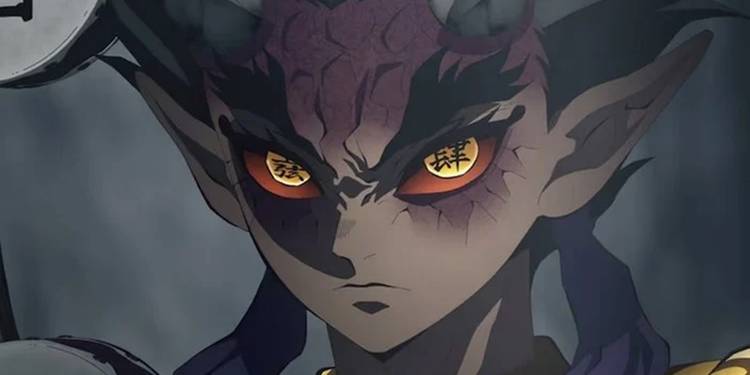
Upper Moon Four's base form is characterized as a considerably weak demon, lacking the immense power and capabilities that it gains after splitting and reuniting. In this form, Upper Moon Four is vulnerable and relatively easy to defeat, making it an underwhelming opponent for seasoned Demon Slayers. But underestimating its abilities would be a grave mistake, as its true strength lies in its ability to transform and adapt.

When faced with enemies, Upper Moon Four's base form displays a distinct sense of fear and lack of confidence. It cowers in the face of the Demon Slayers, aware of its own vulnerability and the potential threat posed by opponents. Despite its initial hesitation and timidity, Upper Moon Four's true potential comes to light when it finally uses its Blood Demon Art, revealing it to be a far more formidable and dangerous opponent.

Upper Moon Four Can Split Itself Into Many Powerful Warriors

The demons' bane in Demon Slayer is decapitation, but that isn't necessarily the case for Upper Moon Four. When beheaded in its base form, it undergoes a remarkable process of division. Each time it is beheaded, the base form splits into two separate demons, effectively multiplying itself.

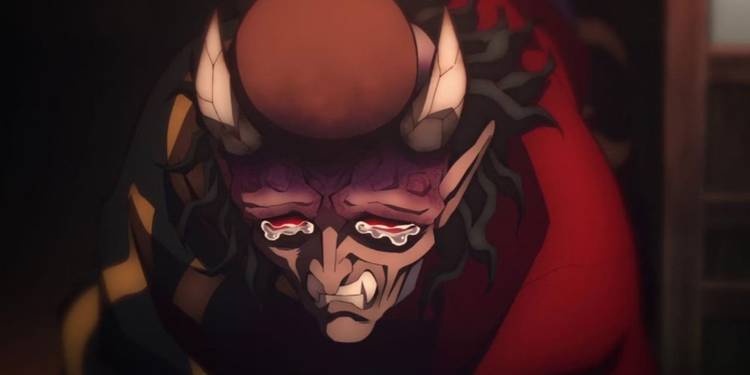
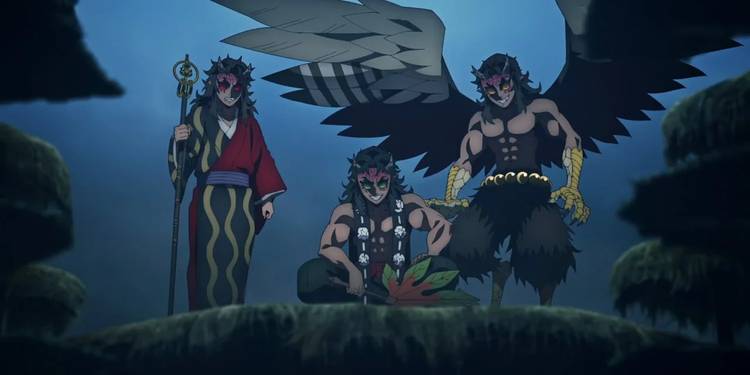
The splitting process ultimately gives rise to five distinct demons, each representing an emotion and having a unique ability. The original Hantengu represents fear, and that remains consistent during its second form. But unlike the base form, this Hantengu is much smaller and more difficult to behead. Sekido embodies anger and uses khakkara to generate and manipulate lightning. Karaku is the manifestation of pleasure and uses a leaf-shaped uchiwa to generate strong gusts of wind. Aizetsu is that of sorrow and uses a yari to fight. Finally, there is Urogi, the manifestation of joy who has a physique akin to a harpy.


Unlike the base form, each of these demons poses diverse and formidable threats. Although one of them can't take down a Hashira, they are capable of giving ordinary Demon Slayers a hard time. Urogi alone is shown to give Tanjiro a hard time by dragging the young Demon Slayer to a far-flung place, though it fails to eliminate the hero. But the group's true threat comes as they work together. Given that they are technically just one demon, they are capable of perfectly combining forces, even giving Nezuko, Tanjiro and Genya a hard time.

It is also worth noting that Upper Moon Four's Blood Demon Art allows for further division into smaller, more negligible demons. But unlike the five major personalities, these demons can easily be dealt with even without the use of Breathing Techniques. Nonetheless, this further multiplication of its presence on the battlefield could overwhelm opponents and make it harder to discern the true threat amidst the multitude of demons.

Upper Moon Four's True Form Is Far More Formidable

Upper Moon Four's true form is achieved through the reunification of the split demons. After the base form divides, it can merge them into a single, more powerful demon. This marks a pivotal transformation in Upper Moon Four's abilities, heralding the presence of Zohakuten. Recent episodes of Demon Slayer have shown this is achieved by Sekido absorbing the rest. It remains unclear if the others also have the same ability.

This true form gives Upper Moon Four a substantial increase in power and strength. The combined entities merge their individual capabilities, resulting in a formidable adversary for the Demon Slayers. This heightened power enables Upper Moon Four to unleash devastating attacks and exhibit a greater level of control over its abilities.

Zohakuten exhibits the peculiar ability to command dragon-shaped wood as a weapon. These uniquely-shaped earth formations serve as both defensive barriers and offensive weapons, enhancing Upper Moon Four's offensive capabilities and making it a formidable force to reckon with. As Zohakuten has only recently appeared in the Demon Slayer anime, it won't be surprising if there are more unrevealed forms and powers to come.


Read More Comments

One Piece Episode 1063 Release Date & Time

One Piece Episode 1063 Release Date & Time

After an absolutely stellar episode #1062, One Piece fans are anxiously awaiting the anime's next installment. But after the week-long delay of the previous episode, these fans may be wondering whether episode #1063 will air in its usual time slot and where they will be able to watch it. Luckily, with episode #1063 One Piece's release schedule is returning to normal.


What Time One Piece Episode #1063 Releases


One Piece's episode #1063 titled "Luffy is on the Move! A Turning Point to a New Era!" is set to release on Sunday May 28 at 9:30 am Japanese Standard Time (JST). It will then be simulcast on Crunchyroll on May 27 at 7:00 pm Pacific Time, 9:00 pm Central Time, and 10:00 pm Eastern Time in the US. This also corresponds to Sunday May 28 at 3:00 am British Summer Time for fans in the UK. Fans of the English dub will have to wait for that version to premiere on Funimation at a later date.

What Happened in Episode #1062 of One Piece?

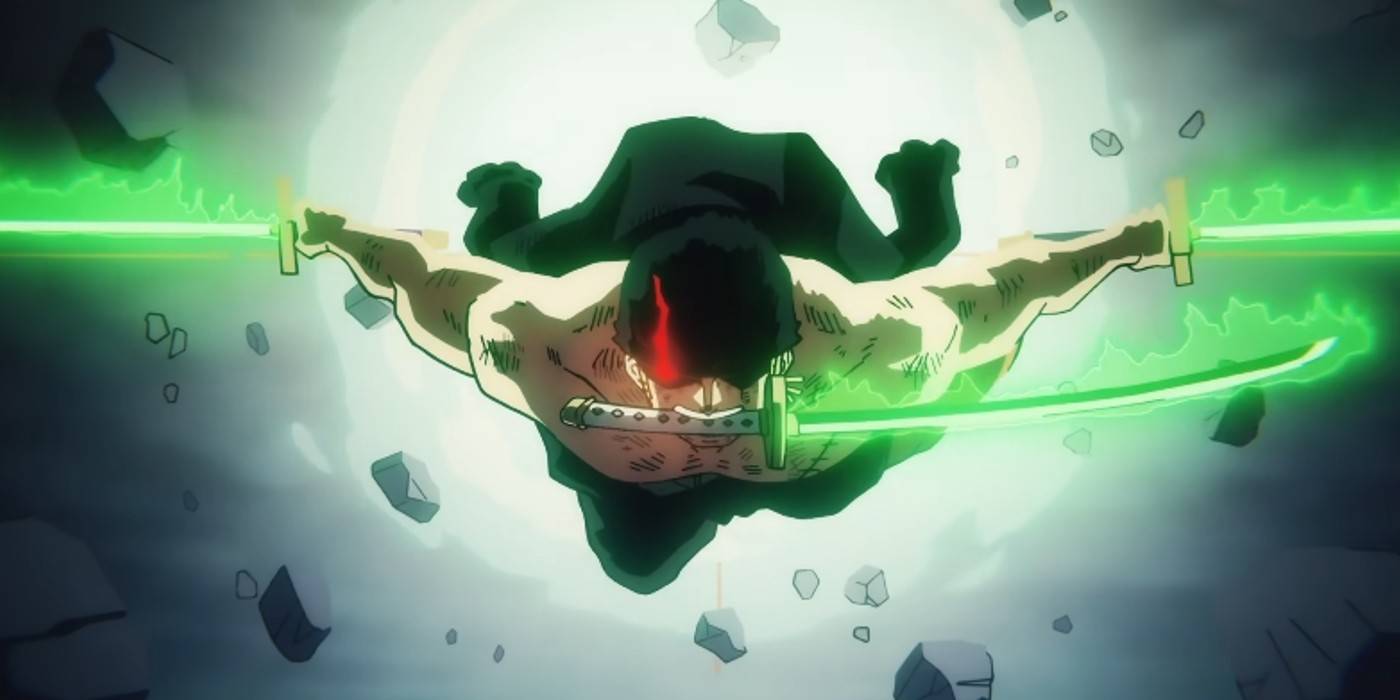
One Piece's episode #1062 featured the culmination of Zoro and King's epic battle, in what is undoubtedly one of the best anime fights of all time. Zoro was able to unleash the full potential of his legendary swords with an incredibly powerful King of Hell Three Sword Style attack which was enough to overwhelm even King's Lunarian offensive and defensive capabilities. The animation on this fight even outdid all the stellar animation from previous episodes of the Wano arc. Outside the fight itself, fans also were treated to a flashback showing how King and Kaido met, which was cool to see and added some much-needed details to their story in the manga.

Episode #1063 Will Focus on Other Parts of the Raid

Now that Zoro's fight with King and Sanji's fight with Queen are both over, there is a variety of different plot threads episode #1063 could cover. The Raid on Onigashima is a battle being fought on multiple fronts involving many important characters. Law and Kid are still fighting Big Mom and many of their crew members like Killer and Bepo are joining the Straw Hats in their fight against the Beast Pirates. Usopp is protecting some of the Scabbards who were grievously injured in their fight against Kaido, while others like Raizo are engaged in fights of their own. And while all of this is occurring, Momo and Yamato are trying to prevent Onigashima from exploding and crashing into the Flower Capital.

However, while all of these are notable plot threads in their own right, the major fight fans are waiting to see is Luffy's fight against Kaido. While Kaido was initially able to knock him off the floating island into the sea, Luffy recovered and made his way back up to the roof for a rematch. Given how well-animated Luffy's initial fight with Kaido was as well as how the anime has made many of the Straw Hat's fights even better than the manga, Luffy's new fight against Kaido is sure to be a visual spectacle. However, given Toei seemingly just pulled out all the stops for Zoro and King's fight, episode #1063 may not feature much animation on that level, instead serving as a taste of things to come. So in order to see where One Piece’s epic Wano arc goes next, fans should tune in to episode #1063 when it premieres on May 27.
Read More Comments

Dragon Ball Super Completely Changes The Franchise's Power System

Dragon Ball Super Completely Changes The Franchise's Power System

The power system of the Dragon Ball is known for being simple and straightforward, but this is no longer the case after the revelations in the latest chapter of Dragon Ball Super. Vegeta has spent a lot of time thinking about the recent defeats that he and Goku suffered against more powerful foes, and he realized that 'power level' is no longer an accurate measure of strength.

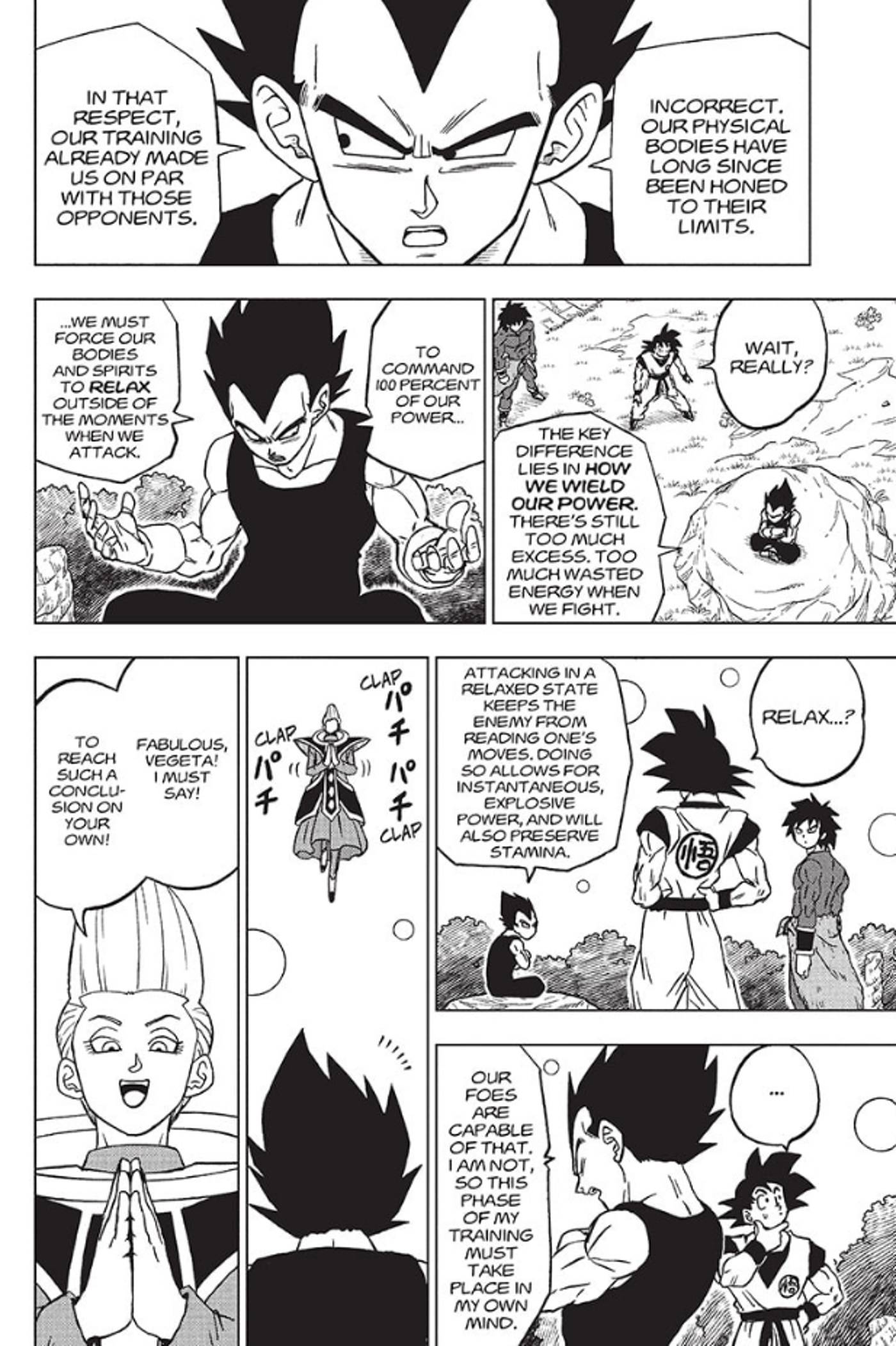
In chapter #93 of Dragon Ball Super, fans catch up with Goku and Vegeta after they've been conspicuously absent from the current story arc. While Goku is doing classic sparring with Broly (who recently debuted in the Dagon Ball Super manga), Vegeta is focusing on meditation training. When Goku asks him about this unusual regime, Vegeta reveals that it's pointless to keep training their bodies, as they are already on the same level as the foes who have beaten them recently, such as Jiren, Gas, and Frieza. The difference, Vegeta says, is in how they wield their power in battle.


Dragon Ball Super Has Finally Innovated The Franchise's Power System


The Dragon Ball power system has made history, influencing countless works that came after thanks to its simplicity and effectiveness. Dragon Ball was one of the first series to classify its fighters using a 'power level' based on their physical capabilities (which also include the amount of ki they possess). To increase their power level, fighters undergo physical training, but actual battle experience also plays an important role. Seeing Goku or Vegeta train with increased gravity or 'cheat' training time using the Hyperbolic Time Chamber is a familiar sight to fans of the franchise. However, over the years, shonen series have introduced more nuanced and complex power systems, making Dragon Ball Super feel a bit outdated at times.

Luckily, Vegeta's words in this chapter completely change the series' power system going forward. Foes such as Jiren or Gas have been presented as simply stronger than the heroes, superior to them in all physical aspects, following the franchise's tradition. However, according to Vegeta, he and Goku are actually on the same level as the enemies who beat them, at least physically. The difference is that these superior fighters were able to wield their power more effectively, without wasting energy and draining stamina, thus introducing more variables and parameters to evaluate a fighter's level. This concept has actually a long history in the series, dating back to the infamous Super Saiyan 3 'ineffective' form, all the way to Ultra Instinct, which is a state of supreme relaxation where no movement or energy is wasted.


Dragon Ball's Heroes Will Have To Train Differently From Now On

Thus, Vegeta's words in this chapter complete the slow but steady evolution that Dragon Ball Super has introduced to the franchise's power system. It will be interesting to see how things will actually change from now on. Perhaps, the Z Warriors' grueling, blood-spitting training sessions will be replaced by hours of meditation - which would surely be an odd sight for the series. What is certain is that Dragon Ball Super has finally innovated the franchise's iconic power system, making it deeper and more interesting.


The latest chapter of Dragon Ball Super is available from Viz Media.

Read More Comments

Dragon Ball Officially Declares Frieza is Actually a Good Leader

Dragon Ball Officially Declares Frieza is Actually a Good Leader


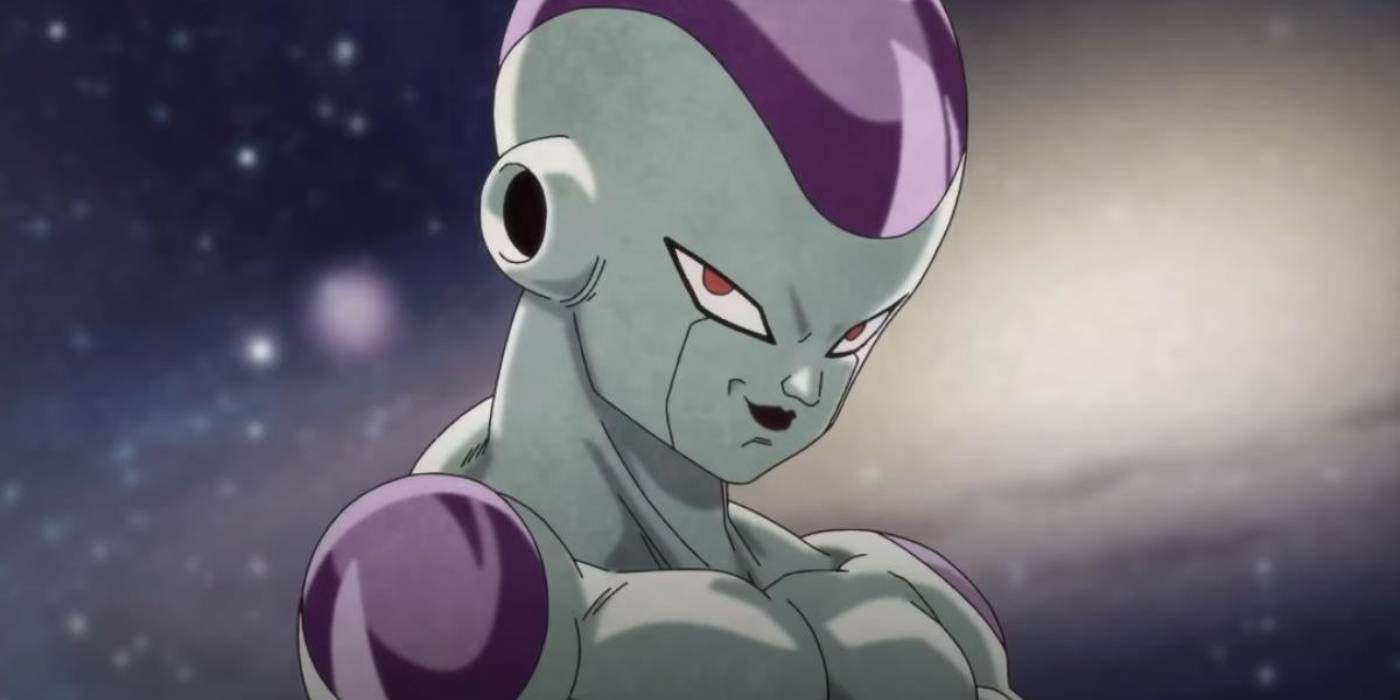
The best leaders typically aren't evil, but Dragon Ball's Frieza may be an exception, at least according to the Dragon Ball Official website and to an expert on "human resources and organization." Frieza may be an iconic villain, but fans could surprisingly take a few notes from him on how to be a good leader.

On Dragon-Ball-Official, Jun Nakahara, a professor at Rikkyo University, reveals that there are many positive markers of leadership that Frieza presents. As destructive and villainous as he has been, Frieza can be redeemed by a few positive points that make him not just effective but also potentially an example, provided his evil tendencies are left out of the equation. These include effective communication, positive feedback, and direct frontline management. Despite having great qualities, his failures don't come from his leadership style but stem from his tendency to follow typical villain habits of killing when displeased and shooting for evil goals (as well as Frieza's fights with foes like Goku who prove to be stronger).


Frieza's Best Qualities Stem from Good Communication


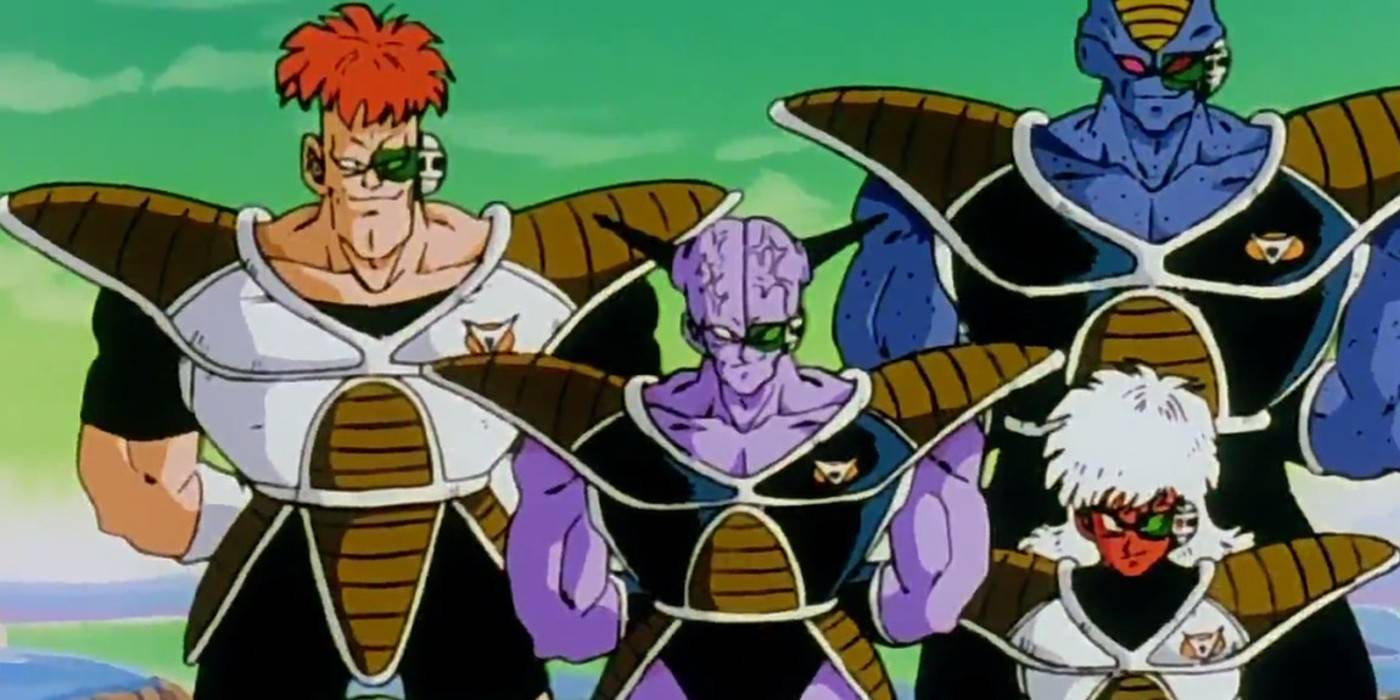
Frieza presents his subordinates with clear-cut instructions and makes his expectations known. According to Dragon-Ball-Official, he fits under the three main criteria of "making people do what you want." These include "give clear orders, remain consistent, and explain yourself logically." Frieza's goals are laid out clearly during his scheme on Planet Namek, leaving the Ginyu Force no room for misinterpretation. He is also polite to his forces, despite dishing out harsh punishments for failure. By doing so he "avoids a power gap", which could readily occur considering how much more power he has compared to the Ginyu Force.

Additionally, this trait extends into providing encouragement for a job well done. Based on the argument laid out by Professor Nakahara, Frieza even follows specific management approaches in his praise. While this could be unintentional, it certainly makes sense. Without his forces, he would have to do all the work himself. By positively reinforcing the good work of his subordinates, he ensures they feel some kind of satisfaction for the work they provide him. It also makes negative critiques more effective, since negativity isn't always the central response given to his forces. This is not only a good mark of leadership, but also a way to ensure Frieza maintains appropriate power balances. His pleasure and approval become a top priority, with less room for bitterness since he appears grateful for the achievements made.


Frieza Is An Incredibly Effective Leader By Modern Standards


Lastly, Frieza is very active on the frontlines with his forces. He does not sit idly by and wait for things to happen from a distance. He takes advantage of the power his presence has and not only keeps his subordinates in line personally but maintains respect by being willing to get his own hands dirty. He is a hands-on leader, which tends to be more ideal and practical from many standpoints. As a result, Frieza works towards his goals faster and more effectively than if he solely relied on external chains of command reporting to him at a distance. He is also good at delegating tasks as needed, providing some aspects of trust, without fully relying on everyone else to get things done. Each of these qualities shows why Frieza is so respected by the Ginyu Force and also by foes like Goku, who have respect for others they come across who prove to be strong. While his positive points are overshadowed by his evil ways and destructive nature, Dragon Ball's Frieza provides some unexpected and interesting lessons to fans of the series.


Source: Dragon-Ball-Official.com

Read More Comments

Demon Slayer: Why Did Muzan Turn Nezuko Into a Demon?

Demon Slayer: Why Did Muzan Turn Nezuko Into a Demon?


Tanjiro and Nezuko Kamado's lives were forever changed when Muzan Kibutsuji, the King of Demons, slaughtered their family and left Nezuko to become a demon. As Demon Slayer plays out, it's clear that Muzan's goal is to become the strongest demon by overcoming his weakness to sunlight, one of the few weaknesses a demon has. What remains unclear for many fans, though, is Muzan's motivations for turning Nezuko into a demon.

To everyone who encounters her, it's clear that Nezuko is no ordinary demon, but did Muzan have any way of knowing she would be such a deviation when he made the decision to turn her? Did his attack have anything to do with the Kamados' ties to Yoriichi Tsukiguni, or was it pure happenstance that tragedy struck the Kamados and Nezuko would eventually become such a formidable opponent?


How Did Nezuko Become a Demon?


Fans who've been reading the Demon Slayer manga might think Nezuko becoming a demon is a result of the connection between the Kamados and Yoriichi Tsugikuni. Yoriichi was the originator of the Breathing Styles used by Demon Slayers and master of the Sun Breathing style. He nearly killed Muzan with the technique, leading the latter to spend years hunting down anyone who'd come in contact with the style to ensure it could never again be used against him.

The manga leads fans to believe there might be a familial connection to Yoriichi, only to show that he had just spent time with the Kamado ancestors during his travels. While the Kamados had no demon slayers in their family, through Tanjiro's memories it's shown how the Hinokami Kagura dance that his father passed down evolved from the basic tenets of the Sun Breathing style. However, Muzan may have tracked them down; it seems possible that his fear of Yoriichi's legacy would drive him to eventually kill the Kamados -- but would not necessarily explain why Nezuko, or any Kamado, would be turned into a demon.

Becoming a demon is no accident and -- outside of Lady Tamayo -- only Muzan has the power capable of creating demons. Because each new demon born is a deliberate act on his part, what made Nezuko stand out as a candidate? So far, the Demon Slayer anime has made no allusions as to a reason, but the answer is ultimately revealed at the end of the manga's "Swordsmith Village Arc," and again in its final arc.

It might've appeared random that Nezuko would be turned into a demon, as she's nothing more than a child in a poor family in the mountains. While such a tragic circumstance could drive her to willingly accept the transformation -- as has been shown by demons like Rui, Daki and Gyutaro -- her becoming a demon is surprisingly coincidental. Muzan simply creates demons in the hopes that one will be created with the power that he seeks: immunity to the sun.


Some demons succeed in surviving and join the ranks of the Twelve Kizuki, but not even the strongest of these have developed the ability that would make Muzan all-powerful were he to devour them. There's no indication that Muzan had any way of knowing whether Nezuko would survive, let alone become the unique demon she is. In the end, Nezuko was nothing more than a random victim in Muzan's search for power. Every demon he creates is essentially an experiment, and every successfully created demon that lacks immunity to the sun is still a failure toward his overall goal.

Nezuko becoming a demon was technically planned, in that she was another one of Muzan's experiments, but the type of demon she would become surprised everyone. Much in the same way that Tanjiro has continued to defy the odds in his journey as a demon slayer through sheer will, Nezuko's will fuels her growth as an extraordinary demon. Muzan's decision to turn her into a demon for his own gain ends up being one of his biggest mistakes.
Read More Comments

Mashle: Magic and Muscles Episode 7 Release Date, Time, & Story Details

Mashle: Magic and Muscles Episode 7 Release Date, Time, & Story Details


The next episode of the anime adaptation of Shonen Jump's Mashle: Magic and Muscle continues its exploration of Mash's quest to become a Divine Visionary. Despite some early success, Mash and Lang House must confront a completely different, more dangerous threat from the Magia Lupus.


What Time Will Mashle: Magic And Muscle's Episode 7 Release


According to the anime's official website, Mashle: Magic and Muscle's Episode 7 - "Mash Burnedead and the Mysterious Letter" - is scheduled to air on Saturday, May 20, 2023, at 12:00 AM in Japan Standard Time (JST). The series is being simulcast on Crunchyroll with a half-hour delay. In the United States, fans will be able to watch Episode 7 with subtitles on Friday, May 19, 2023, at 12:30 PM Eastern Standard Time (EST), 11:30 AM Central Standard Time (CST), or 9:30 AM Pacific Daylight Time (PST). A dubbed version will premiere at a later date. Fans in the UK will be able to watch the episode at 5:30 PM British Summer Time.


What Happened in Episode 6 of Mashle: Magic and Muscle


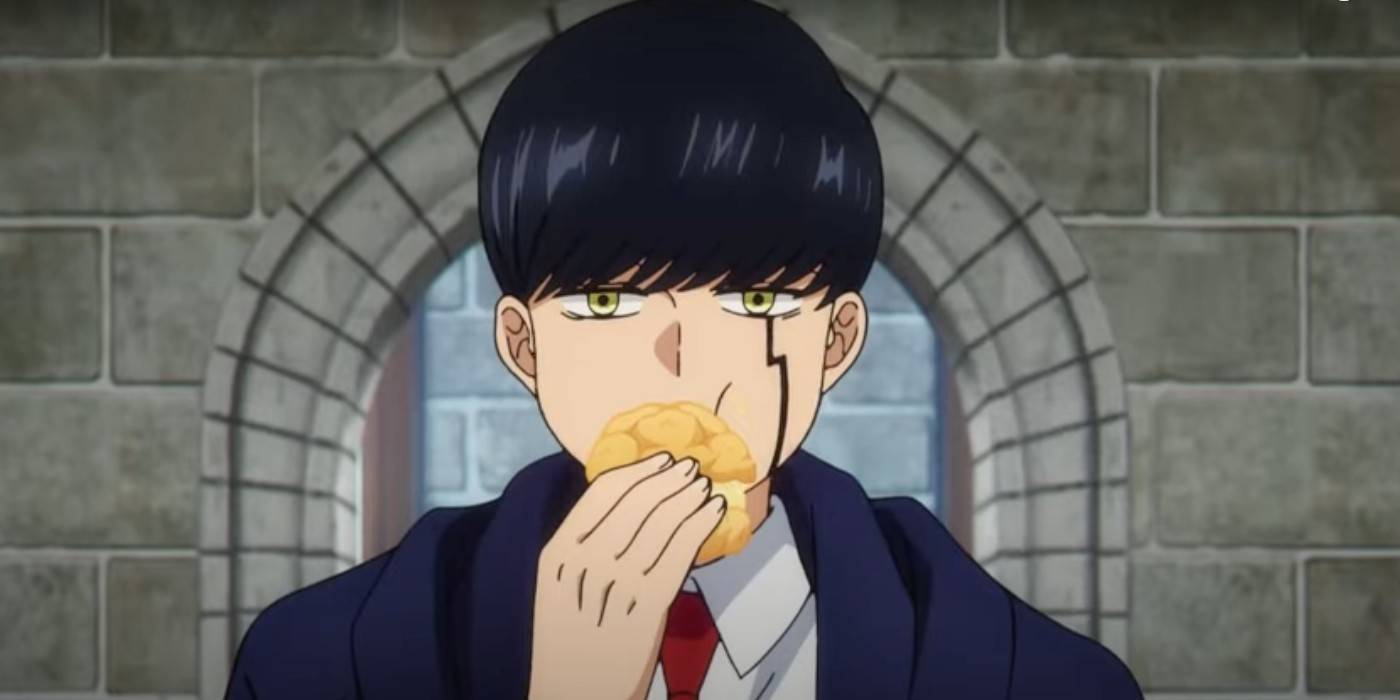
With Lang House members still conspiring to obtain as many coins as possible from Mash, Lance, and the other members of Adler House, in episode #6 of Mashle: Magic and Muscles Silva offered Dot a proposition. If he could withstand ten strikes of his iron magic, he would quit harassing Lauren. Dot agrees and, while he's battered to the point of severe injury, to everyone's surprise, withstands the challenge. However, Lauren then reveals that she's actually in cahoots with Silva, and it was all a ploy to test them. Mash, in part to reclaim the honor of Dot, and also to get some payback for Silva ruining his cream puff, challenges Silva to try his iron magic hit challenge on him. Silva agrees, seeing a chance to embarrass Mash and get his coins. However, Mash easily withstands the hits and punishes Silva with several counterstrikes. Fearfully of more punishment, Silva concedes defeat and gives Mash one of his own coins. Lauren then tries to seduce Mash, like she did Dot, with her "charming magic" but it doesn't work on Mash, who quickly incapacitates her.


Having failed in the mission, Silva and Lauren retreat back to campus where they are met by Abel Walker, the leader of Magia Lupus, the secret organization behind Lang House, who is so angry at their failure that he turns Silva into a doll, and warns others that failure will no longer be tolerated. Meanwhile, Lance warns Mash and the other Adler House members about the sinister machinations of Magia Lupus to rob coins, and that they should avoid contacting them at all costs. As luck would have it, Mash somehow stumbles onto their room on campus and unwittingly barges in just after Abel turned Silva into the doll.


What To Expect From Mashle: Magic and Muscle in Episode 7


With Mash having literally stumbled into the "lion's den", fans should expect that Abel and the rest of his underlings are not going to let his unwitting mistake go unpunished, and they will certainly try to injure or kill Mash or take his coins. In addition, considering how angry Abel got at Silva after his failure, fans should further expect this new villain to be relentless and concede no mercy. Even with Mash's abilities, the numbers of members present, and their power levels suggest that any confrontation will not be easy for him to overcome by himself.


Look for Episode 7 of Shonen Jump's Mashle: Magic and Muscle when it premiers on Crunchyroll on Friday, May 20th.


Source: Mashle: Original Web Site

Read More Comments

Why Attack on Titan Isn't Considered Part of Shonen's Current Dark Trio

Why Attack on Titan Isn't Considered Part of Shonen's Current Dark Trio


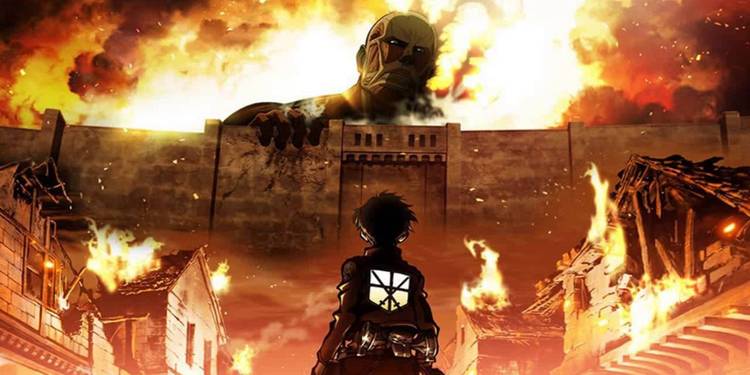
Gaining worldwide popularity in the early 2010s, Attack on Titan helped start a new surge in popularity for anime and manga. A dark and oftentimes violent series, it was fairly far removed from the anime that many in the West had grown up watching. This has led to comparisons with several similar modern anime, even if the grouping is mostly erroneous.

The "Dark Trio" of Shonen is currently taking the anime/manga world by storm due to their darker, more sinister content. This might evoke Attack on Titan, but both timing and genre separate the four franchises in question. Here's why Attack on Titan isn't exactly a peer of Chainsaw Man in the way that some assume.

Attack on Titan Preceded the Shonen Dark Trio


The Dark Trio is made up of Hell's Paradise, Jujutsu Kaisen and Chainsaw Man (though some incorrectly put Demon Slayer in the place of the first of these franchises). They're referred to as such due to their violent and gory concepts, with demons and dismemberment being somewhat prominent. These darker and gritter stories contrast quite a bit with franchises such as Dragon Ball Z or the 2000s shonen trinity made up of Naruto, One Piece and Bleach.

The main reason why Attack on Titan isn't lumped in with the Dark Trio is that it came out long before they did. These three franchises began as manga in 2018, whereas Attack on Titan first started its publication in 2009. That's almost a decade before the Dark Trio began, making Attack on Titan as much a part of the Dark Trio as it is the Shonen Big Three. It's not just the time period of its release that separates the four franchises, however, with AoT having another big difference.

Attack on Titan's Premise Is Far Different


In the case of the Shonen Dark Trio, their stories and concepts remain firmly in the realms of supernatural horror and fantasy. Demons and similar monsters make up the cast and the villain roster, making these franchises essentially modern equivalents to the aforementioned Bleach and classic '90s series Yu Yu Hakusho. This genre unites the Dark Trio through similar plot threads, but Attack on Titan isn't quite on the same wavelength.

Attack on Titan lacks the same basis in fantasy, with its storyline arguably being more of a science-fiction premise. Despite their immense size, the titular titans have more in common with sci-fi zombies in a post-apocalyptic setting than demons, spirits or yokai. Thus, it's incredibly hard to reconcile putting the series in the same category as Chainsaw Man and the other Dark Trio members, despite also having mature and graphic content. At the same time, Attack on Titan is still consistently popular, despite its manga having already ended, showcasing how the story will likely remain as gigantic a franchise as the titans themselves for the foreseeable future.

Read More Comments

Demon Slayer's Tanjiro Finds a Clue On How To Beat One Unstoppable Demon

Demon Slayer's Tanjiro Finds a Clue On How To Beat One Unstoppable Demon


The latest enemies in Demon Slayer have proven exceptionally difficult to deal with--even surviving a beheading from the Mist Hashira himself. Tanjiro has just made a big leap forward, however, as he's learned a big clue as to how these new demons operate.

The demons that Tanjiro, Nezuko, and Genya are currently up against began as a single demon, the Upper Four known as Hantengu who breaks one of Demon Slayer's biggest rules. After the beheading, which normally kills a demon, the creature instead regenerated from both parts, creating two new demons. They divided further into four, each with distinct powers and a certain marking on their tongues. While they initially had Tokito, the Mist Hashira, with them, he was blown away by one of the demon's fans, sending him far off into the mountains, where it will take some time to return from. Tanjiro is dragged off by one of them, a tengu-like flying demon, and has to face it on his own.


Demon Slayer's Hantengu is Weaker Divided


As Tanjiro is battling the flying demon, known as Urogi, he begins to piece together what's happened. Each of the markings on the demon's tongues corresponds to an emotion--joy (Urogi), sorrow, pleasure, and anger. When Tanjiro slashed through Urogi, he regenerated temporarily into two, and Tanjiro noticed that the combined attack power of the two was far less than when they were one, and both still said "joy." Tanjiro was also able to deduce that the tongue was these demons' weak point--while cutting it wouldn't kill them, it significantly slowed down their regeneration.

Zeroing in on their tongues is a good catch on Tanjiro's part; they're a big clue that these aren't run-of-the-mill demons, but instead some sort of manifestation of different feelings belonging to Hantengu. There's still a lot left that Tanjiro needs to figure out, though; if it's even possible to defeat these individually, or if there's perhaps some main body hiding elsewhere that he needs to take out. And of course, even if they do manage to defeat these manifestations of Hantengu, there's still Upper Five Gyokko to deal with, as well as the fish minion demons that he's summoned into the village. This fight is far from over, even if Tanjiro has moved them slightly closer to victory.


If the Demon Slayer side is to win, Tanjiro will need to keep his tactical brain thinking and watching these enemies, staying on the lookout for openings and weaknesses.

Read More Comments