

The Boys Creator Shares the Series’ Core Message as Season 5 Wraps Up


Amazon Prime Video’s hit series The Boys has earned a strong reputation for its sharp satire and timely social commentary. While the show often leans into dark and cynical storytelling, its creator has emphasized that there is a clear purpose behind that tone.
In a recent interview, showrunner Eric Kripke shared his perspective on what the series ultimately represents as it approaches its final chapter. With Season 5 set to conclude the main storyline, Kripke hopes the show will be remembered as a reflection of the era in which it was created.
He explained that his goal is for audiences to see the series as a kind of “time capsule”—a snapshot of real-world events and emotions during a specific period. Ideally, he hopes future viewers won’t find it relatable, as that would mean the world has moved beyond the issues the show portrays. Instead, he wants it to stand as an honest response to its time.
Kripke also highlighted a key message at the heart of the series: change starts at a personal level. Rather than waiting for heroes to fix everything, people should focus on supporting those around them. According to him, meaningful impact comes from collective, everyday actions rather than relying on larger-than-life saviors.
Despite his hopes, Kripke acknowledged that the show may continue to resonate longer than expected. Still, he would like fans to look back and recognize it not just as an outrageous superhero drama, but as one of the most honest and bold series of its time.
Throughout its run, The Boys has sparked discussion with its unapologetically political themes and provocative storytelling. Its ability to blur the line between fiction and reality has kept it relevant far beyond typical fan conversations. By challenging viewers and embracing discomfort, the series encourages audiences to reflect on the world around them—and, perhaps, take steps toward changing it.
Laz Alonso Offers Another Major Message For Fans To Take Away From The Boys

Similar to creator Eric Kripke, The Boys actor Laz Alonso has shared his thoughts on the kind of impact he hopes the series leaves on its audience. Alonso, who portrays Mother’s Milk, expressed his desire for viewers to carry forward the character’s grounded and positive outlook in their own lives.
He encouraged fans to move away from negativity and instead focus on optimism, trust, and support within their communities. According to Alonso, believing in friends, family, and the possibility of change is essential. He also emphasized that true heroism doesn’t require superhuman abilities—ordinary people can make a difference through their actions and mindset.
Alonso further highlighted the importance of unity, noting that collective strength is key when facing injustice. He stressed that people must stand together rather than allow division to weaken them. Throughout the series, his character has consistently delivered this message, and Alonso hopes it continues to resonate with audiences long after the show concludes.
With The Boys Season 5 now streaming on Prime Video, the series is set to deliver its final chapters while reinforcing its core themes of unity, hope, and accountability.
Post Resource : CBR

The Boys
Release Date: 2019 – Present
Network: Amazon Prime Video
Showrunner: Eric Kripke
Genre: Action, Drama, Crime, Comedy
Network: Amazon Prime Video
Showrunner: Eric Kripke
Genre: Action, Drama, Crime, Comedy
Karl Urban (Billy Butcher)
Jack Quaid (Hughie Campbell)
Antony Starr (Homelander)
Erin Moriarty (Starlight)
After 7 Years, The Boys Just Had Its Most Important Scene


The Boys has had a lot of major moments throughout its five seasons, but the show's most important scene yet just occurred. Despite the series being a dark comedy full of sex jokes, The Boys levies some pretty serious social commentary, discussing politics, celebrity culture, and more. However, all of its commentary has shared a common theme, one that The Boys just highlighted in full due to a moment in its final season.
The Boys season 5, episode 3 features the return of Stan Edgar, the former head of Vought who was ousted by Homelander. Despite not being a supe, he has managed to live this long due to how smart he is and his intricate knowledge of the systems that created Vought. This is highlighted in a speech he gives in the episode, where he discusses that supes aren't the end product, but rather filling a necessary hole created by commerce and capitalism. Even if the Boys are successful in destroying supes, money still needs to be made. So, Vought will find a way to make money. Even if Vought is destroyed, shareholders still need to make money, so something else will take Vought's place. Edgar knows that there is no way to stop things like Vought from popping up as long as the system of capitalism is in place. So, the best that the Boys can do is hope that the next alternative is preferable to supes.
Stan Edgar's Speech In Season 5, Episode 3 Perfectly Sums Up What The Boys Is Really About

Stan Edgar's speech lays out what The Boys has been discussing this entire time: capitalism. Supes in The Boys are a stand-in for a lot of things, but most of the things they're being used to satirize are the results of the economic system that is in place. One of the biggest conflicts in The Boys is the supes attempting to maintain their public image. Despite them being horrible people, they must maintain a clean image in order to sell the Vought brand. Vought, like many real-world companies, cynically employs progressive politics, pretends to care about its employees, and attempts to sell consumers on things that make their lives worse in order to make a profit.
So, according to Stan Edgar, there is no way to change this unless the profit incentive is gone. The thing that the Boys are really fighting can't be killed with guns, bombs, or viruses. Instead, social change has to be made in order to collapse this system and build a new one. The Boys are facing a giant that they will never beat, and rather than telling the Boys how to beat it, Stan Edgar hopes to benefit from it. Edgar is still an enemy of the Boys because he hopes to utilize this system to benefit himself rather than help change it to benefit everyone, a decision that many real-life capitalists make every day.
We Finally Know What Stan Edgar's Endgame Is Now

Ever since Edgar was outed from Vought, we didn't really know what his plan was. Edgar has mostly been in hiding, attempting to avoid the wrath of Homelander. However, he has clearly been operating in the background. Edgar and Zoe have been running around involving themselves with the activities of the Boys, Vought, and the cast of Gen V. However, they clearly don't want to take down Vought, and they don't want to kill all supes. While this has left fans scratching their heads for years, we finally know what Edgar is up to.
During his speech, MM realizes Stan Edgar's true plan: he wants to take over Vought once all the supes are gone. While Edgar clearly has to keep his distance during Homelander's reign, he can easily step in and reclaim his position in the company once it's safe. Edgar understands Vought and the system of capitalism better than anyone else in The Boys, with this being his superpower. While he is helping the Boys due to the barrel of the gun now being turned on him, he still wants to be the one pointing the weapon in the end. So, he will probably be making moves as The Boys ends in order to get back into the seat of power.
However, there is a chance that he could be stopped. MM plainly says that he will put a bullet in Edgar's head if he attempts to take over Vought, making things between him and the Boys even more hostile. The Boys could kill Edgar by the end of the show, preventing him from being the captain of Vought once again. Edgar betrayed the Boys by leaving them to be killed by the Deep and Black Noir, and while this plan backfired, it gives the Boys reason to hunt Edgar down and get revenge.
However, the Boys may not get an opportunity to hunt Edgar down. At the end of episode 3, he is subdued and captured by Black Noir, who is subsequently knocked out by the Deep. The Deep takes Stan Edgar to Homelander, meaning that he is now a prisoner of the Seven. There is a high chance that Edgar could be killed by Homelander or one of the other supes, meaning that his plan to take over Vought won't work out.
Is This How The Boys Season 5 Sets Up More Spinoffs?

Vought will never end, and as long as Vought is around, there will be stories for The Boys to tell. Stan Edgar's speech seems like it could be setting up more The Boys spinoffs, as he is explicitly saying that even after killing Homelander, the Boys cannot win. This may sound exciting to fans, as the world of The Boys could seemingly continue on forever based on what Edgar is saying.
However, it'll be hard for the world of The Boys to continue without supes. If supes are gone, Vought will have to switch to a different product. A The Boys TV show about characters taking down Vought cell phones that have built-in planned obselence isn't nearly as fun as Butcher and Homelander getting into superpowered fights, so it wouldn't work as a spinoff. It seems likely that either supes will live on after the events of The Boys, or that the spinoffs will be prequels, like the upcoming Vought Rising TV show.
Top 10 Highest Rated Prime Video Original TV Shows


1. The Grand Tour

The Grand Tour is a Prime Video Original TV show that has taken the world by storm, ranking high in the list of top 10 highest rated Prime Video Original TV shows. This popular motoring television series, presented by Jeremy Clarkson, Richard Hammond, and James May, is a must-watch for car enthusiasts and adventure seekers alike. With its unique blend of humor, action, and stunning visuals, The Grand Tour has captivated audiences worldwide, offering a fresh and exciting take on the traditional car show format. Each episode features the trio embarking on thrilling road trips, testing exotic cars, and engaging in hilarious challenges, making for an entertaining and informative viewing experience.
As one of the highest rated Prime Video Original TV shows, The Grand Tour has received widespread critical acclaim for its high-quality production, witty banter, and authentic chemistry between the hosts. With a rating of 8.7/10 on IMDB and 4.5/5 on Amazon Prime Video, it's clear that fans and critics alike have fallen in love with the show. The Grand Tour's success can be attributed to its well-crafted format, which combines stunning cinematography, impressive car stunts, and laugh-out-loud comedy, making it a standout among other Prime Video Original TV shows. Whether you're a die-hard car enthusiast or just looking for a fun and entertaining watch, The Grand Tour is an absolute must-see, and its inclusion in the top 10 highest rated Prime Video Original TV shows is well-deserved. So, buckle up and get ready to join Jeremy, Richard, and James on their epic motoring adventures, available exclusively on Amazon Prime Video.
2. The Lord of the Rings: The Rings of Power

The Lord of the Rings: The Rings of Power is a groundbreaking Prime Video original series that has captivated audiences worldwide with its epic storytelling, stunning visuals, and richly detailed world-building. As a prequel to J.R.R. Tolkien's classic novel, The Lord of the Rings, this show explores the untold history of Middle-earth, delving into the forging of the Rings of Power and the events that shaped the fate of the realm. With a talented ensemble cast, including Morfydd Clark, Robert Aramayo, and Charlie Vickers, the series brings to life the iconic characters and locations that fans of the original book and film trilogy know and love. The show's impressive production values, coupled with its faithful adaptation of Tolkien's source material, have earned it widespread critical acclaim and a loyal fan base.
As one of the top 10 highest rated Prime Video original TV shows, The Lord of the Rings: The Rings of Power has solidified its place as a must-watch series for fans of fantasy and adventure. With an average rating of 4.5 out of 5 stars, based on thousands of user reviews, the show has proven to be a massive hit with audiences, who praise its engaging storyline, memorable characters, and breathtaking cinematography. The show's success has also been recognized by critics, with many praising its ambitious scope, meticulous attention to detail, and commitment to staying true to the spirit of Tolkien's work. Whether you're a longtime fan of The Lord of the Rings or just discovering the magic of Middle-earth for the first time, The Rings of Power is an unforgettable viewing experience that is sure to leave you spellbound and eager for more. With its impressive ratings and glowing reviews, it's no wonder that this series has become one of the most popular and highly acclaimed Prime Video original TV shows to date.
3. Reacher
Among the plethora of Prime Video Original TV Shows, "Reacher" stands out as a highly acclaimed series that has captured the attention of audiences worldwide. Based on the bestselling novels by Lee Child, "Reacher" follows the story of Jack Reacher, a former military policeman who navigates his way through a complex web of crime and deception. With its unique blend of action, suspense, and intrigue, the show has garnered widespread critical acclaim, earning its place among the top 10 highest rated Prime Video Original TV Shows. The series boasts an impressive 8.1/10 rating on IMDB, with many praising its faithful adaptation of the source material, exceptional performances, and gripping storyline.
The success of "Reacher" can be attributed to its well-crafted narrative, which expertly balances fast-paced action sequences with thought-provoking themes and memorable characters. The show's protagonist, played by Alan Ritchson, brings the iconic character to life with his charisma and nuanced performance. With its gripping plot twists and turns, "Reacher" keeps viewers on the edge of their seats, making it an absolute must-watch for fans of crime dramas and thrillers. As one of the top 10 highest rated Prime Video Original TV Shows, "Reacher" is a testament to the streaming platform's commitment to producing high-quality, engaging content that resonates with audiences globally. Whether you're a fan of the novels or new to the franchise, "Reacher" is an unmissable series that promises to deliver non-stop entertainment and suspense from start to finish.
4. The Wheel of Time
The Wheel of Time, a Prime Video Original TV show, has taken the world by storm with its captivating storyline and impeccable production quality. Based on the bestselling book series by Robert Jordan, this fantasy epic has garnered a massive following and critical acclaim. With an average rating of 8.1/10, it secures a spot among the top 10 highest rated Prime Video Original TV shows. The show's intricate world-building, complex characters, and stunning visuals have resonated with audiences, making it a must-watch for fans of the genre. The Wheel of Time follows the journey of MoiraineDamodred, a powerful Aes Sedai, and her companions as they navigate an unfolding prophecy that will determine the fate of their world.
As one of the most highly-rated Prime Video Original TV shows, The Wheel of Time has been praised for its faithful adaptation of the source material, bringing the beloved characters and storylines to life in a way that both old and new fans can appreciate. The show's attention to detail, from the costumes to the setting, has been meticulously crafted to transport viewers to a richly imagined world. With a talented ensemble cast, including Rosamund Pike, Daniel Henney, and Zoë Robins, the show delivers performances that are both authentic and compelling. As the series continues to unfold, fans can expect more epic battles, unexpected twists, and character developments that will keep them on the edge of their seats. If you're looking for a captivating and immersive viewing experience, The Wheel of Time is an excellent choice, and its high rating among Prime Video Original TV shows is a testament to its exceptional quality and engaging storytelling.
5. The Boys

The Boys is a dark and subversive superhero satire that has taken the world by storm, and it's no surprise that it's ranked among the top 10 highest rated Prime Video original TV shows. Developed by Eric Kripke, Evan Goldberg, and Seth Rogen, this critically acclaimed series is based on the comic book series of the same name by Garth Ennis and Darick Robertson. The show is set in a world where superheroes, known as "supes," are revered and commercialized by the powerful corporation Vought International, but beneath their glamorous facade, they are selfish, arrogant, and often depraved. The Boys follows a group of vigilantes, led by Billy Butcher, as they seek to take down the corrupt superhero team known as The Seven, and expose the dark truth behind their heroic images.
With its unique blend of action, drama, and social commentary, The Boys has resonated with audiences and critics alike, earning a spot among the top 10 highest rated Prime Video original TV shows. The show features a talented ensemble cast, including Karl Urban, Jack Quaid, and Antony Starr, and has received widespread critical acclaim for its writing, acting, and themes. The show's exploration of toxic masculinity, celebrity culture, and the dangers of unchecked power has struck a chord with viewers, and its high-octane action sequences and shocking plot twists have kept fans on the edge of their seats. If you're looking for a thought-provoking and entertaining Prime Video original series, The Boys is an absolute must-watch, and its ranking among the top 10 highest rated shows is a testament to its quality and appeal. With its bold storytelling and unapologetic humor, The Boys is a Prime Video original series that will keep you hooked from start to finish.
6. Invincible
When it comes to the top 10 highest rated Prime Video original TV shows, "Invincible" stands out as a powerhouse in the world of animated series. Based on the comic book series by Robert Kirkman, Cory Walker, and Ryan Ottley, this adult animated superhero show has captured the hearts of audiences and critics alike. With a stellar voice cast, including Steven Yeun, Sandra Oh, and J.K. Simmons, "Invincible" tells the story of Mark Grayson, the son of the most powerful superhero on Earth, as he develops his own powers and navigates the complexities of being a hero. The show's unique blend of action, drama, and humor has resonated with viewers, earning it a spot among the highest rated Prime Video original TV shows.
One of the key factors contributing to "Invincible"'s high rating is its well-developed characters and storylines. The show explores complex themes such as identity, family, and the consequences of power, making it more than just a typical superhero series. With its crisp animation and engaging storyline, "Invincible" has received widespread critical acclaim, with many praising its originality and faithfulness to the comic book series. As a result, it has become one of the most popular and highly rated Prime Video original TV shows, with a loyal fan base eagerly anticipating new episodes. Whether you're a fan of superheroes, animation, or just great storytelling, "Invincible" is a must-watch series that is sure to leave you wanting more, and its inclusion in the top 10 highest rated Prime Video original TV shows is well-deserved.
7. Tom Clancy's Jack Ryan
Tom Clancy's Jack Ryan is a highly acclaimed Prime Video Original TV series that has garnered immense popularity and critical acclaim. Based on the fictional characters created by Tom Clancy, the show follows the story of Dr. Jack Ryan, a CIA analyst who finds himself in the midst of global espionage and intrigue. With its gripping storyline, impressive action sequences, and outstanding performances, Tom Clancy's Jack Ryan has secured a spot among the top 10 highest rated Prime Video Original TV shows. The series features John Krasinski as the titular character, along with a talented ensemble cast, including Wendell Pierce, Abbie Cornish, and Ali Suliman. The show's blend of intelligence, suspense, and action has resonated with audiences, making it a must-watch for fans of the spy thriller genre.
The show's impressive ratings and reviews can be attributed to its well-crafted narrative, which explores complex themes and issues, including terrorism, geopolitics, and personal identity. With an average rating of 8.1/10 on IMDB and 81% on Rotten Tomatoes, Tom Clancy's Jack Ryan has received widespread critical acclaim, with many praising its realistic portrayal of espionage and intelligence gathering. The series has also been nominated for several awards, including the Primetime Emmy Award for Outstanding Sound Editing. As one of the top 10 highest rated Prime Video Original TV shows, Tom Clancy's Jack Ryan is a testament to the platform's commitment to producing high-quality, engaging content that caters to a diverse range of audiences. Whether you're a fan of action, suspense, or drama, Tom Clancy's Jack Ryan is an unmissable series that will keep you on the edge of your seat from start to finish.
8. The Expanse
The Expanse is a highly acclaimed science fiction television series that has garnered a massive following worldwide. In the context of the top 10 highest rated Prime Video original TV shows, The Expanse stands out for its exceptional storytelling, engaging characters, and stunning visuals. Based on the bestselling book series by James S. A. Corey, the show is set in a future where humanity has colonized the solar system, and it follows a diverse group of characters as they unravel a complex conspiracy that threatens the fragile balance of power in the galaxy. With its unique blend of politics, action, and suspense, The Expanse has received widespread critical acclaim, earning an impressive 8.5/10 rating on IMDB and a 95% approval rating on Rotten Tomatoes.
As one of the top-rated Prime Video original TV shows, The Expanse has been praised for its realistic portrayal of a futuristic world, its well-developed characters, and its thought-provoking themes. The show's attention to detail and commitment to scientific accuracy have also been widely praised, making it a must-watch for fans of science fiction and space exploration. With its exceptional production values, talented cast, and gripping storyline, The Expanse is an excellent example of the high-quality content that Prime Video has to offer. Whether you're a fan of science fiction, action, or drama, The Expanse is a show that is sure to captivate and entertain, and its high rating is a testament to its excellence. If you're looking for a compelling and engaging TV series to watch, The Expanse is definitely worth checking out, and its availability on Prime Video makes it easily accessible to stream and enjoy.
9. Carnival Row
Carnival Row is a fantasy drama television series that has captivated audiences worldwide, securing its place among the top 10 highest rated Prime Video original TV shows. Created by Travis Beacham and René Echevarria, this critically acclaimed series is set in a Victorian-era inspired fantasy world where mythical creatures and humans coexist in a world of wonder and strife. The show boasts an ensemble cast, including Orlando Bloom and Cara Delevingne, who deliver outstanding performances that bring depth and complexity to their characters. With its richly detailed world-building, intricate plotlines, and timely social commentary, Carnival Row has resonated with viewers and critics alike, earning a spot on the list of top-rated Prime Video original TV shows.
One of the key factors contributing to Carnival Row's high rating is its thought-provoking exploration of themes such as immigration, prejudice, and social justice. The show's use of fantasy creatures as a metaphor for real-world issues adds a layer of depth and nuance to the narrative, making it more than just a simple fantasy series. Prime Video has been praised for its bold and innovative approach to storytelling, and Carnival Row is a testament to the platform's commitment to producing high-quality, engaging content. With its stunning visuals, captivating characters, and timely themes, Carnival Row is a must-watch for fans of fantasy and science fiction, and its inclusion in the top 10 highest rated Prime Video original TV shows is well-deserved. Whether you're a fan of mythology, fantasy, or social commentary, Carnival Row is sure to captivate and inspire, making it a standout series in the world of streaming television.
10. The Marvelous Mrs. Maisel
The Marvelous Mrs. Maisel is a highly acclaimed Prime Video Original TV show that has taken the world by storm with its unique blend of comedy, drama, and music. Created by Amy Sherman-Palladino, the show follows the life of Miriam "Midge" Maisel, a housewife-turned-comedian in the late 1950s. With its impeccable writing, impressive cast, and meticulous attention to period detail, The Marvelous Mrs. Maisel has garnered widespread critical acclaim and has been ranked as one of the Top 10 Highest Rated Prime Video Original TV Shows. The show's success can be attributed to its well-developed characters, witty dialogue, and hilarious comedic moments, making it a must-watch for anyone looking for a light-hearted yet thought-provoking viewing experience.
With an impressive 94% approval rating on Rotten Tomatoes, The Marvelous Mrs. Maisel has solidified its position as one of the highest rated Prime Video Original TV shows. The show's talented ensemble cast, including Rachel Brosnahan, Alex Borstein, and Tony Shalhoub, deliver outstanding performances that bring the characters to life. The show's 8 Emmy Awards and 3 Golden Globe Awards are a testament to its exceptional quality and appeal. As a Prime Video Original TV show, The Marvelous Mrs. Maisel offers a unique and captivating viewing experience that is both entertaining and enlightening. If you're looking for a show that will leave you laughing, crying, and feeling inspired, then The Marvelous Mrs. Maisel is an excellent choice, and its ranking among the Top 10 Highest Rated Prime Video Original TV Shows is well-deserved.
The Boys' Version of Iron Man Is Its Most Unique Hero (& It's Not Close)


Arguably the entire point of The Boys is to mock superheroes in the most grisly and insulting ways possible, which includes shining a light on the fact that they, too, can be terrible people, and given that they’re super, they’d be the worst kind of terrible. However, The Boys’ parody of Iron Man actually stands out in that regard, making him The Boys most unique hero (by far).
The Boys’ version of Iron Man is named Tek Knight, who’s actually more of a cross between Batman and Iron Man, but who is easily more reminiscent of Tony Stark given his fully mechanical suit of armor (both in aesthetic and function). However, there’s one main difference between Iron Man and Tek Knight that’s a bit disturbing: Tek Knight has an uncontrollable desire to be sexually intimate with basically anyone or anything in front of him. It’s for this reason that he can’t have a sidekick, and doesn’t even work with other superheroes, because he knows how little control he has over his urges and doesn’t want to assault anyone as a result. And that, right there, is why Tek Knight is different from practically every other supe in The Boys universe: he’s actually a good guy.
Tek Knight Is One Of The Only Good Supes In The Boys

In The Boys #7-10 by Garth Ennis and Darick Robertson, Tek Knight is introduced and his story arc is told in its entirety. The issues go into how Tek Knight doesn’t have any superpowers (like his Iron Man and Batman Marvel/DC counterparts), but still wanted to be a hero in a world where only those with powers can seemingly make a difference. However, it was during his escapades with other heroes that he learned of his debilitating disease, and essentially had to retire as a result. The idea of a superhero with a sex addiction so intense that they can’t have a sidekick or work with other superheroes for fear of assaulting them (which he regrettably did to his own butler) is undeniably gross and deviant. However, the tragic truth of the situation was that Tek Knight’s urges came from a brain tumor, meaning he had absolutely no control over himself or the urges that plagued him.
Not only did Tek Knight suffer from a brain tumor that essentially turned him into an aggressive sex addict who’s unfit to even be around other people (a brain tumor readers eventually learn is terminal), but he actively fought to keep others around him safe from himself. When it became apparent that he couldn’t control himself, Tek Knight immediately separated himself from those around him, and went into isolation for their sake. Any other supe in The Boys would not have been that accommodating, as most other supes are regularly shown engaging in violent sex acts throughout the series with no remorse for the damage they cause as a result. Tek Knight physically can’t help his condition, but even still, he took full responsibility for it and implemented measures to keep those around him safe, proving that he’s actually a good person in a world filled with superheroes who are decidedly not.
It seems as though Tek Knight may be adapted in The Boys live-action series, and if that’s actually the case, then the truest depiction of his nature needs to be translated from the comics to the show, which is something that separates this Iron Man parody from practically every other supe in The Boys: Tek Knight is actually a good person.
The Boys Season 4's New The Seven Team Teased By Vought Ahead Of SDCC Panel: "The Seven Has NEVER Been Stronger"


Ahead of their scheduled panel at 2023’s San Diego Comic-Con, The Boys season 4 has teased a new line-up for their Vought superhero team known as The Seven. Throughout the events of The Boys season 3, Vought’s premiere superhero team led by Antony Starr’s Homelander saw its ranks significantly diminished. In addition to Starlight’s defection from Vought’s ranks, season 3 also saw Dominique McElligott’s Maeve fake her own death and Homelander kill Black Noir in a fit of rage.
With a few months now gone since production wrapped, the official Twitter account of the fictional corporation Vought International is hinting at revamped team line-up for The Boys season 4.
This 7/7, we salute the greatest Super team ever assembled. Even with heroic sacrifices and unfortunate betrayals, The Seven has NEVER been stronger. Sole captain Homelander continues his search for new heroes to replenish the team’s ranks as we speak! pic.twitter.com/VSfFjXpBbB
— Vought International (@VoughtIntl) July 7, 2023
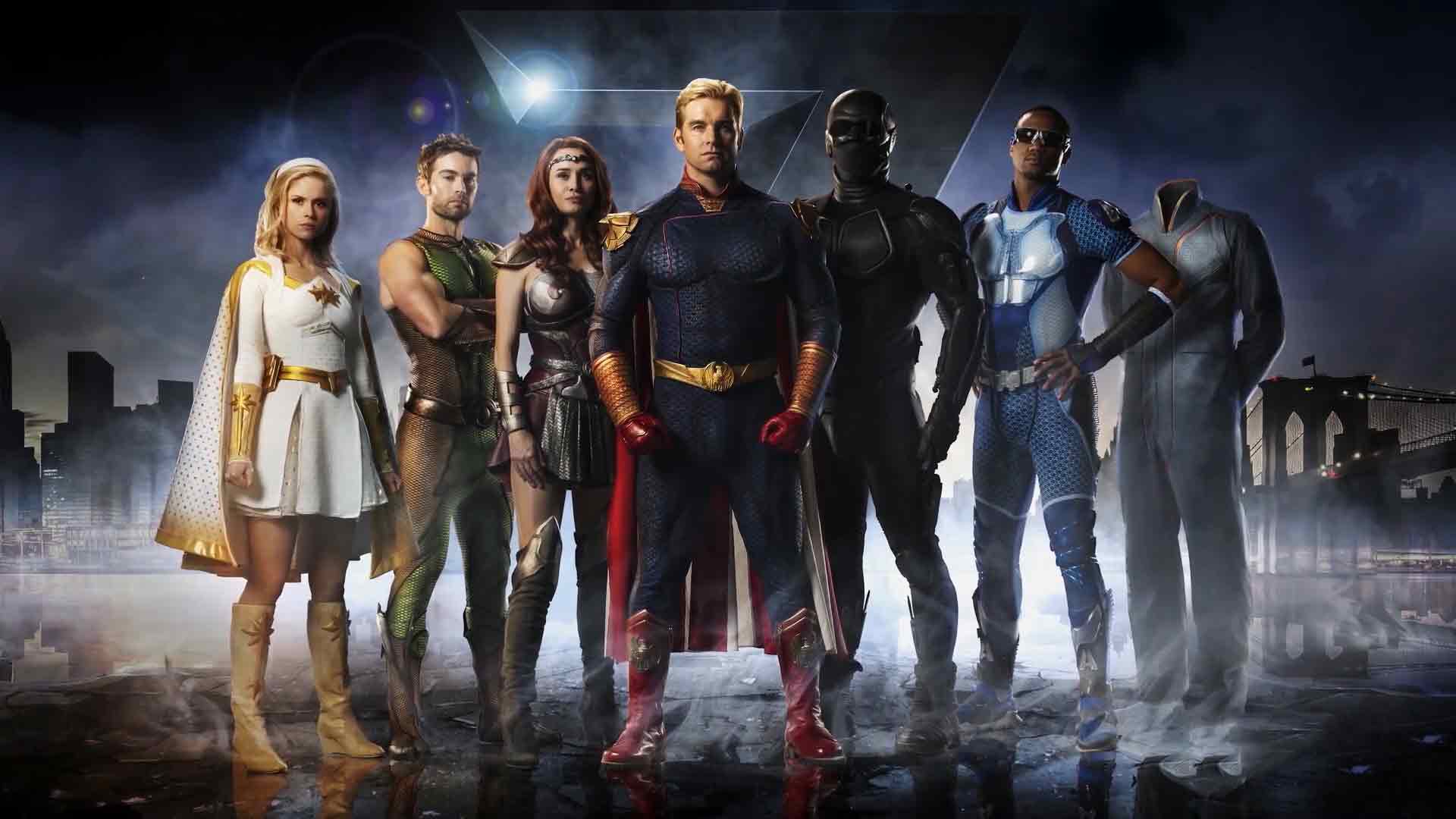
Featuring an image of the three remaining members of The Seven, Homelander, A-Train, and The Deep, the edited season 2 image also includes a returning Black Noir, whose death is set to be covered up by having a new Supe take his place. The post also promises that Homelander is busy searching for more Supes to join his team’s ranks.
Who Will Join The Seven In The Boys Season 4?

With The Seven now looking for three new members to bring the team back to its full strength, audiences are keen to know who will be joining the show’s roster of corrupt superheroes. Two of those three vacant slots are most likely going to be taken by a pair of new characters that were first announced in October last year. Orange is the New Black’s Susan Heyward and The Lost Symbol’s Valorie Curry have previously been announced as two new Supes, known respectively as Sister Sage and Firecracker.
At the moment, little is known about Heyward and Curry’s characters, both of which are original characters with no direct correlation in the original comics. The bigger mystery will be who is destined to fill the seventh and remaining slot on the team. While it seems unlikely that Jensen Ackles’ Soldier Boy would be in the running to round out the team, another option may be the mysterious unnamed character played by Jeffrey Dean Morgan. With many fan theories postulating his potential casting as the Supe Tek Knight, he could be a good contender.
Another option may stem from the upcoming spinoff series Gen V, which will introduce a younger generation of Supes training at Godolkin University School of Crimefighting. With the spinoff set to arrive before The Boys season 4, it is possible that this new series may even introduce an up-and-coming Supe graduate who moves across to the flagship show. Either way, audiences may learn more when The Boys make their appearance later this month at the SDCC.
Source: @VoughtIntl/Twitter
The Boys Stars Recount the Chaos of Shooting Herogasm


The Boys stars Erin Moriarty and Jensen Ackles explained how shooting the superhero series' infamous "Herogasm" episode took its toll on both the cast and crew.
Per Variety, during a Prime Video FYC panel, the two stars discussed their experiences filming "Herogasm for The Boys Season 3. "It was like walking into an orgy house," Moriarty said. She further described how the set was plagued by a variety of adult toys then. "There were things and shapes that I thought, 'These would pierce an organ, most people wouldn't survive them.' But of course, they exist," the actor continued. "I don't understand, but I learned a lot." Ackles later claimed that Moriarty "looked like [she] had just come out of war" while filming "Herogasm."
What Jensen Ackles Recalls From Herogasm
As for Ackles himself, the Soldier Boy actor explained how crew members behind the cameras were not spared from the grueling experience either. "When I saw our camera operator outside, he was just staring at the ground," Ackles recounted. "I went up and said, 'Hey Liam, what's up, how's it going up there?' And he said, 'I've seen some shit man.' He was traumatized, and they did not prep me either." Ackles said the set began to "smell like old sex after a while," and admitted that nothing could have prepared him for the shoot. He continued, "There's some shit that I shot that didn't even make the final cut and I'm like, 'Really, you made me do that, you knew you weren't gonna use it, but you made me do that anyway?'"
Inspired by the titular tie-in miniseries for the original The Boys comics created by writer Garth Ennis and artist Darick Robertson, "Herogasm" remains one of the most infamous episodes of Prime Video's television adaptation. As its name implies, the episode involves a superhero orgy and features some of the most graphic scenes of the entire show. However, unlike the Herogasm comic miniseries, the episode also shows fans a major, choreographed standoff between Ackles' Soldier Boy, Homelander (Antony Starr), Billy Butcher (Karl Urban) and Hughie Campbell (Jack Quaid).
The Boys Showrunner on Why Herogasm Needed to Be an Event
The Boys showrunner Eric Kripke previously discussed how he envisioned "Herogasm," stating that the notorious episode needed to be a major event for The Boys Season 3. He explained how he wanted Herogasm to leave a strong impression on fans without relying solely on its graphic content. "It's every bit as shocking as [fans] are expecting it to be, but not at all in the way they think it's going to be," Kripke said in May 2023. "And that was really intentional; I enjoyed having something that had that much event in it."
All three seasons of The Boys are available to stream on Prime Video. Filming on The Boys Season 4 has wrapped, but when it will release is unknown as of writing. Before then though, The Boys college-themed spinoff, Gen V, is expected to premiere on Prime Video in Fall 2023.
Source: Variety
The Boys Season 4 Will Change How You Feel About Certain Villains, Star Teases


Starlight actor Erin Moriarty teased that The Boys season 4 will explore various character developments. Based on the comic book created by Garth Ennis and Darick Robertson, Prime Video's television adaptation recently wrapped filming on season 4 in April 2023. Picking up after the season 3 finale, season 4 will see Vought’s flagship superhero team introduce several new faces following Maeve's staged death and Starlight’s defection from The Seven. Meanwhile, Black Noir actor Nathan Mitchell is also set to play a new version of his character after Homelander brutally killed the original masked Supe for withholding information about his father.
Speaking with Collider, Moriarty revealed that The Boys season 4 would continue to provide background information about the show’s unique roster of characters. By giving a deeper understanding as to how certain characters’ personalities came to be, the Starlight actor suggests viewers will reconsider the reasoning behind certain villainous actions. Check out her comments below:
"Every season, we go a little bit deeper with each character. The characters… that you thought would be villains, you start to learn a little bit more about them that perhaps makes you feel, not that they’re good guys, but that there are always gonna be details that you can never anticipate, that prevent you from putting that character in a box."
How The Boys’ Moral Ambiguity Has Helped Redefine The Superhero Genre

Over the past 15 years, the superhero genre has arisen as one of the most influential and profitable forms of popular entertainment in the modern age. Among this evolving cultural phenomenon, The Boys and its special brand of satire boast a unique place of honor in a marketplace already saturated with attempts to capitalize on the superhero craze.
Inspired by some of the world’s best-known superheroes and rampant consumerism, The Boys offers a glimpse at a superpowered world far removed from the kind of clear-cut morality tales on which the genre was first built. Not content to merely upend the view of superheroes as virtuous beings who fight for justice, the show has also provided many of its supes with sympathetic, and often tragic, backstories that give context to their less-than-heroic actions. As Moriarty suggests, the show’s most despicable characters are often presented in a light that prevents viewers from simply putting them “in a box.”
The characters featured in The Boys, superpowered or not, have continued to shock and surprise audiences for three seasons, and based on Moriarty’s comments, season 4 looks set to continue the trend. While other shows and movies have often tried to replicate The Boys' unique blend of humor and social commentary, few have achieved the broad impact and appeal of Prime Video’s hit series. With filming on The Boys season 4 already completed, it will not be much longer until new episodes drop and uncover new revelations about the characters.
The Boys Season 4 Can’t Outdo Season 3’s Shocking Opening Scene - But Shouldn't Try To

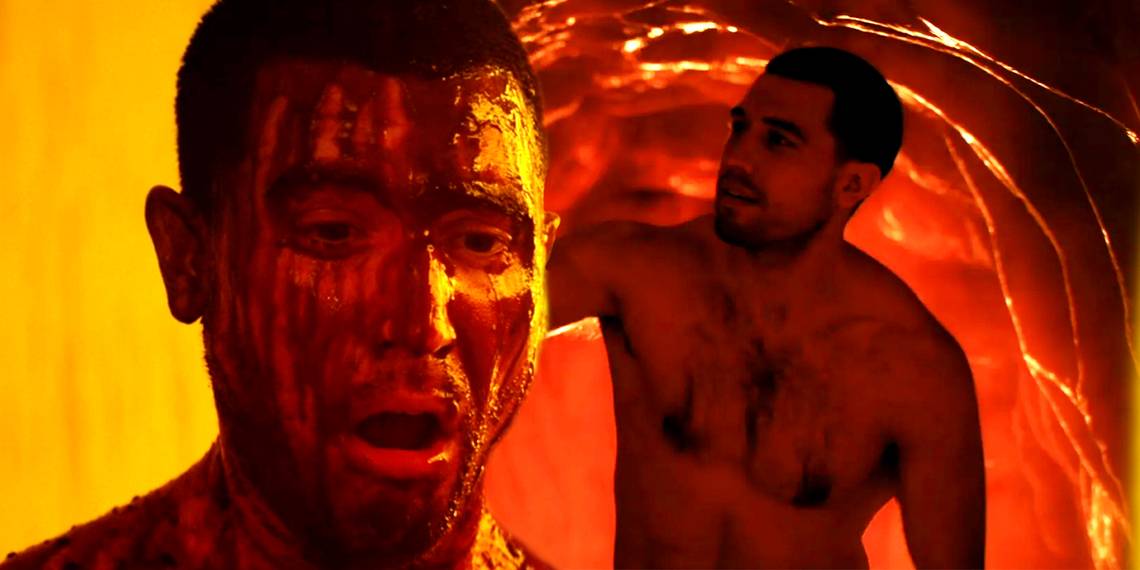
While The Boys season 4 will likely feature some seriously gross moments, the comic adaptation shouldn’t front load these the way the show did in season 3's infamous opening scene. The Boys has always been a gross show. An adaptation of Garth Ennis’s comic book series of the same name, The Boys satirizes superhero tropes with a healthy helping of disgusting humor. The goriest deaths in the series are usually played for dark laughs, whether it is Kimiko beating multiple men to death with dildos or Homelander blowing a civilian’s head to shreds in public before a baying crowd. However, this isn’t always a good thing.
One thing that makes The Boys better than its comic inspiration is the fact that the series is not as gratuitous as its source material. The Boys tended to go too far from time to time in its original comic incarnation, and some of the comic’s grossest shocks wouldn’t have translated to television. Anyone who has read the deeply upsetting scene where Butcher (the ostensible hero of the series) beats a super-powered baby to death will know that The Boys comic sometimes leaned into shock value for its own sake. To its credit, The Boys television show indulges this creative impulse less often. However, it is still an issue for the show.
The Boys Season 3’s Opening Set The Bar Too High For Graphic Scenes
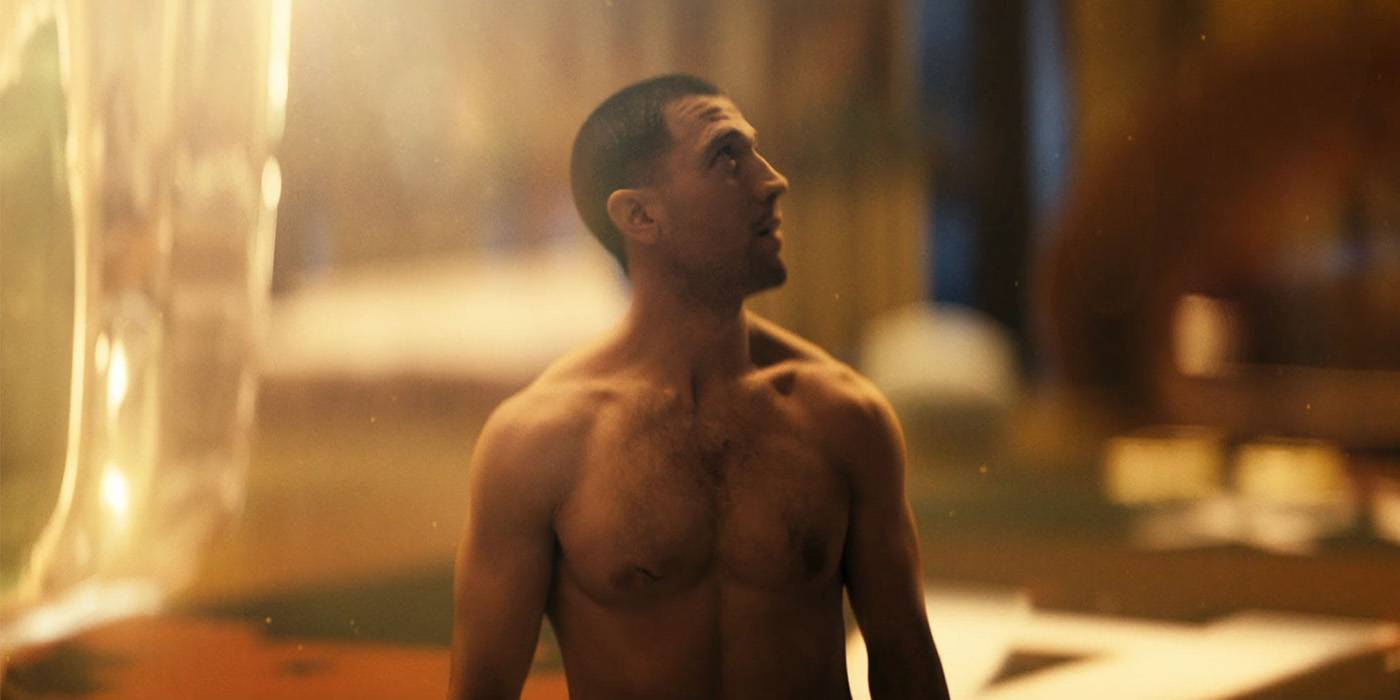
While relatively quick, Termite’s accidental killing is still extremely cringe-worthy. It is a gory moment on par with Glenn’s death in The Walking Dead or The Mountain Vs The Viper sequence from Game of Thrones, and will likely go down in infamy as a similarly shocking moment in television history. However, the fact that season 3 featured this as its opening scene left The Boys with nowhere to go later in the outing. While The Boys season 3, episode 6, “Herogasm.” was a fun outing, the episode was nowhere near as shocking as viewers anticipated. The season wouldn’t have felt so tame if the opening scene of The Boys season 3 hadn’t set such a high bar.
The Boys Season 4 Shouldn’t Try To Match S3's Horrifying Opening
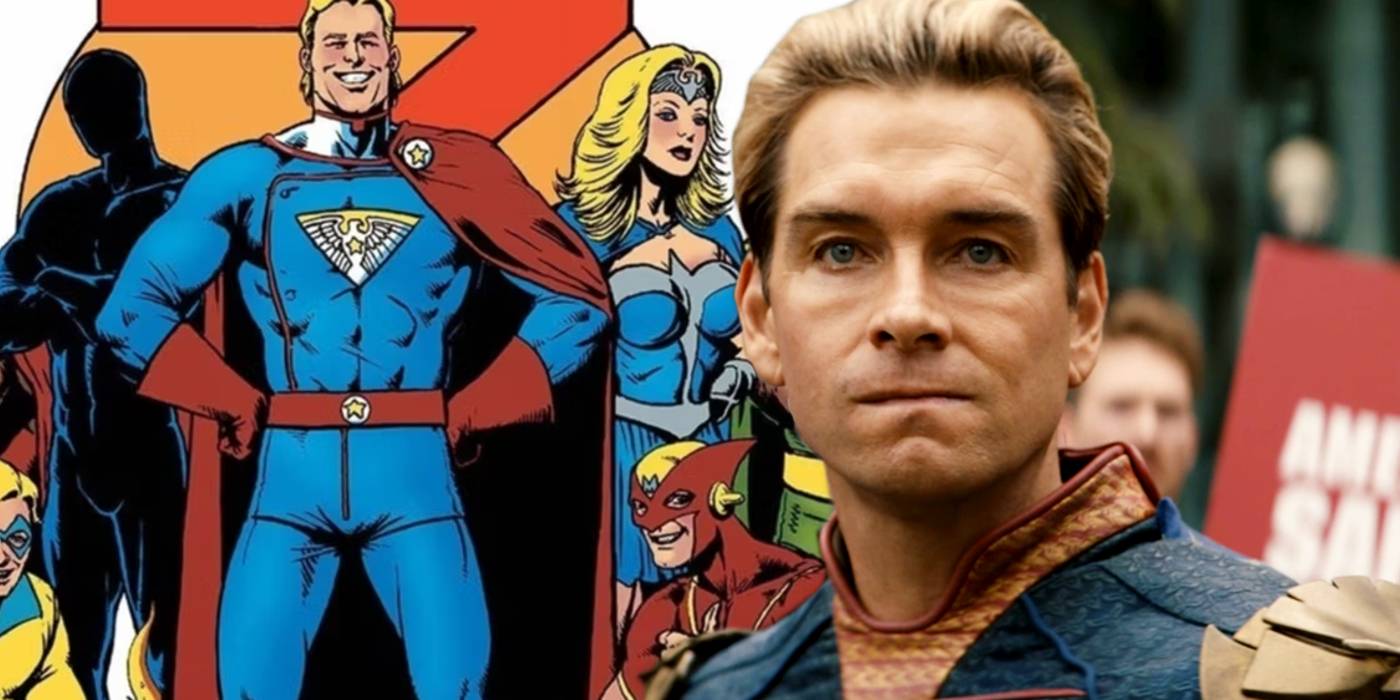
While The Boys’ "evil Superman" Homelander could instantly one-up Termite’s gruesome misdeed in season 4’s opening scene, this is not the approach the adaptation should take. It is easy for viewers to become inured to shocking violence and this can lead to showrunners and writers constantly trying to up the ante. This doomed attempt at beating last season’s viral shock can result in scenes that feel more tasteless and tactless than necessary, as evidenced when Game of Thrones mishandled Sansa’s rape one season after the Viper’s demise. While The Boys generally handles triggering content better than earlier television shows, the adaptation isn’t immune to this risk.
The Boys Season 4 Must Start Slow (Before It Gets Gross Again)
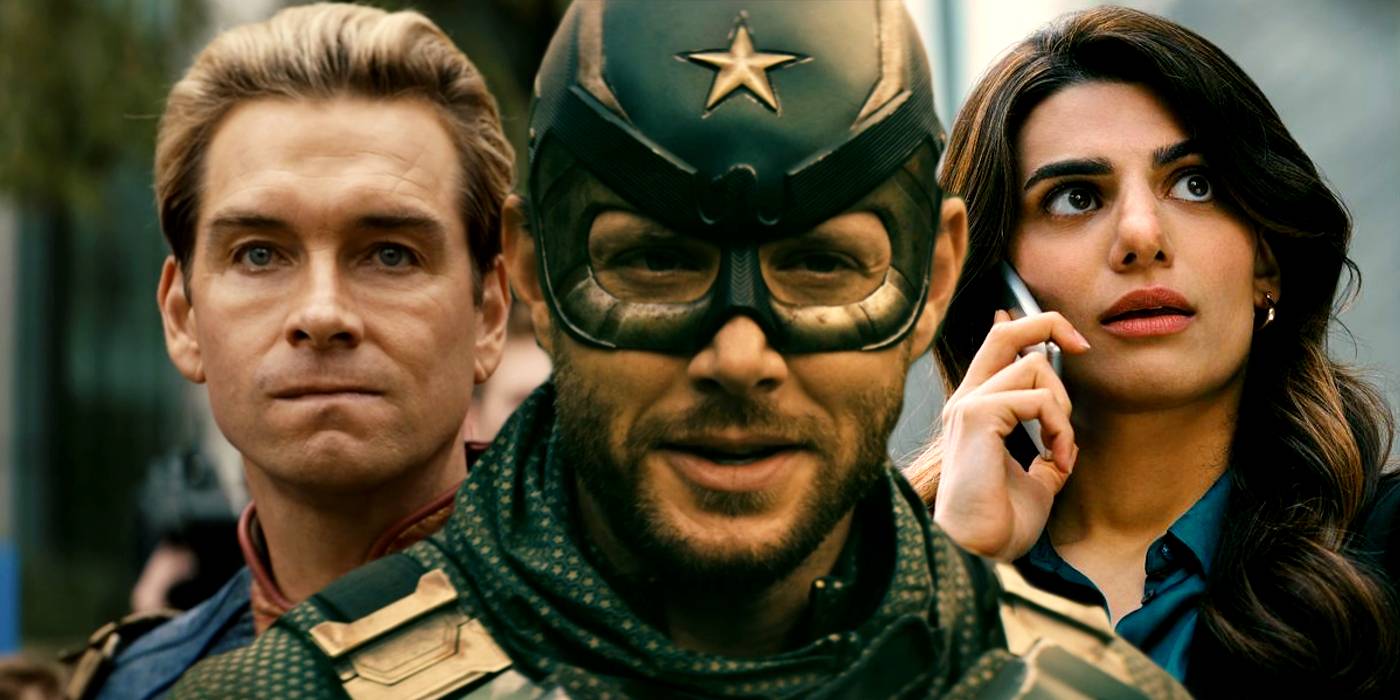
The best way for The Boys season 4 to shock audiences would be for the show to start slower this time and hold off on gory shocks until at least the end of the premiere. This would effectively lull viewers into a false sense of security, leaving them feeling like season 4 may simply be less intense than its predecessor. The Boys has previously thrived on including scenes that audiences would never expect or think would be allowed on screen while remaining engaging. Thus, by holding off a little at the start, The Boys can restore that balance.
As things stand, viewers will enter The Boys season 4 expecting the grossest, most disgusting visuals possible. As a result, even the most appalling imagery won't have much impact on viewers expecting more gore, more shocking images, and more boundary-pushing content. Paradoxically, extreme gross-out moments will likely put new viewers off the show, meaning The Boys season 4 could alienate potential audience members while failing to shock longtime fans. As such, the best thing for The Boys season 4 to do is to start slowly before shocking viewers all over again with more gross delights once their defenses are down.
The Boys Season 3 Gave Away Its Big Ending Twist Too Early


The Boys season 3 continued the series’ established ability to shock audiences with both its unflinching depictions of brutal violence and its twists, but it revealed its ending turn a bit too early. A vital part of the pleasure associated with this cynical look at the superhero phenomenon has always been the revelation of some key piece of information, a big twist that changes everything viewers thought they knew about the series. In fact, it’s the anticipation of just what revelation will emerge that remains crucial to the appeal of The Boys.
The Boys is the kind of series that likes to keep something back, often waiting until the finale to unleash a shocking moment, increasing the stakes of the action and the next season. Such twists often involve a brutal death that shakes up existing power relations within the series, like Homelander’s lasering of Madelyn Stillwell in The Boys season 1. Each twist also increases the stakes, leading the viewer to wonder just how much further the series and its characters-both Supes and Boys alike-can take their ever-escalating conflict. That said, season 3 gave away its twist far too early.
The Boys S3 Trailer Gave Away Homelander's Final Twist
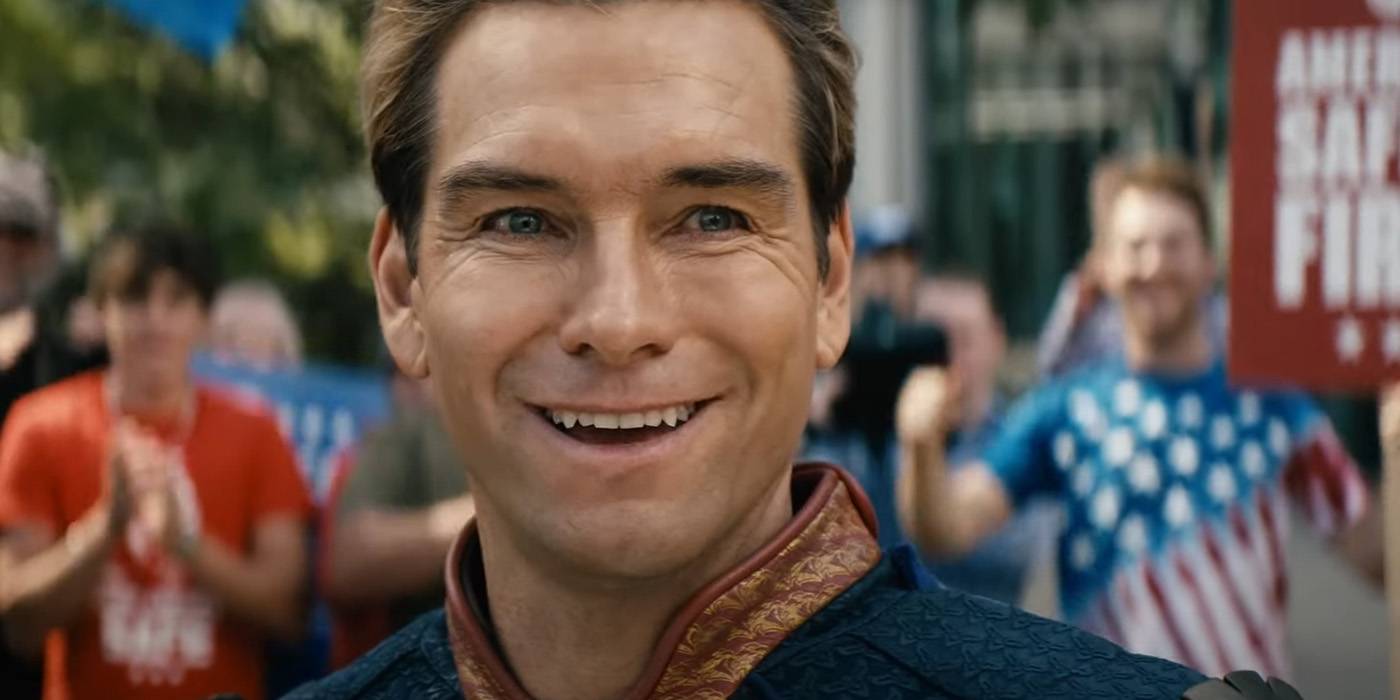
The trailer for The Boys season 3 contains two key pieces of information that reveal the final twist of the season. In showing Homelander grinning in front of an adoring crowd with the line, “I showed people the real me... I mean they f**king love me,” the trailer makes it clear that the villainous Supes' true nature would eventually become public knowledge. Rather than causing his fans to turn against him, however, the trailer reveals The Boys season 3's dark ending for Homelander, i.e. that his brutal murder of a protester merely increases his popularity.
Obviously, there were numerous clues in The Boys seasons 2 and 3 that this moment has been coming. The actions of the various Supes, particularly Homelander, have become increasingly unhinged and publicly visible, leading to a bit of a crisis for Vought. It is, after all, the company responsible for them, and the public associates with some measure of accountability. In revealing so much of this particular plot point, the trailer robs the revelation of its true emotional impact, to the detriment of both the finale and The Boys season 3 as a whole, since neither has the element of surprise of their predecessors.
How Homelander's True Nature Sets Up The Boys Season 4
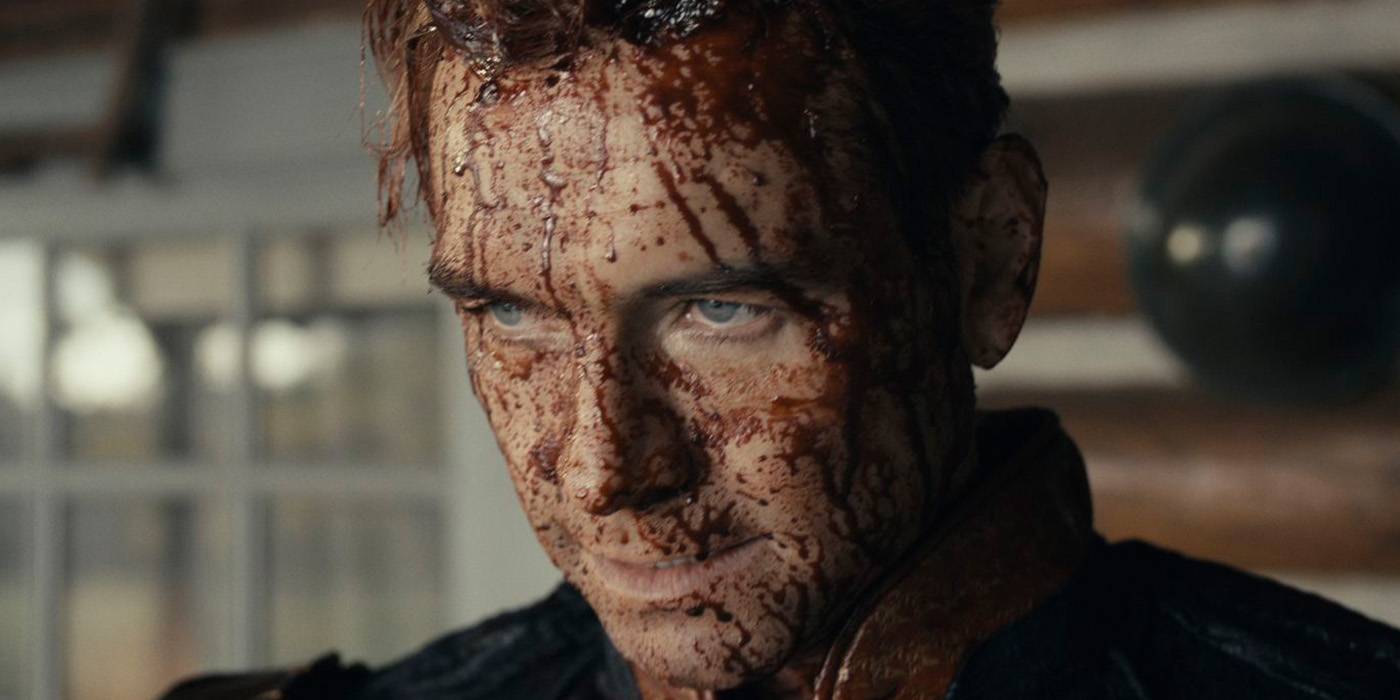
The ending of The Boys season 3 finally sees Homelander revealed as the homicidal monster he has been from the very beginning. As a result, the public now realizes that he is capable of destroying anyone who stands in his path, not just “bad guys.” Season 4 will no doubt explore the fallout from Homelander’s killing of a civilian because even though the gathered crowds celebrate this violent act, it’s already been established that many others aren’t so willing to go along with whatever depraved and murderous acts Supes like Homelander may commit.
In some ways, the revelation of the truth about Homelander’s true nature will seemingly make Billy Butcher’s efforts to bring him down easier to accomplish. Season 3 sets up the heightened stakes of their ongoing conflict, particularly since Billy has his own attachment to Homelander’s son, Ryan. Given that neither one of these men knows how to admit defeat, it’s highly likely that The Boys season 4 will show them competing for Ryan’s allegiance, with each trying to sway the public to their way of thinking. The stakes couldn’t be higher for each of them, and their actions will reflect this dynamic.
'The Boys' Showrunner Explains Soldier Boy and Homelander's Surprising Connection

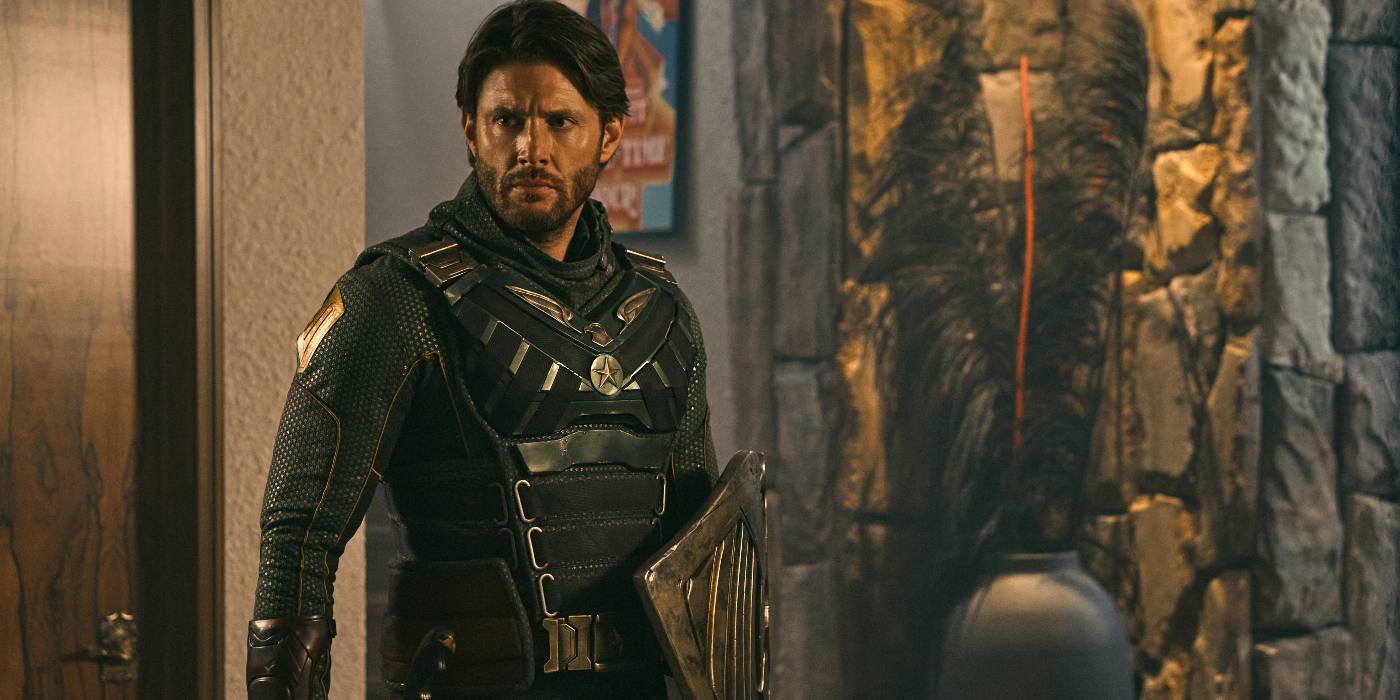
The Boys are back and better than ever! With Season 3 of the hit Prime Video series in full swing and now officially rounding the corner to the finale, we've been treated to the ongoing misadventures of our favorite irreverent, disturbing, and often downright nasty supes who couldn't be further from heroic — as well as the group of resident misfits the show is named for who are determined to hold them accountable for previous and current slights against humanity. Although last week's "Herogasm" episode held more than one shocker in the aftermath of the wild party hosted by the TNT Twins — including a scene that left at least one member of the Seven's fate in question, to say nothing of Starlight's future with the team — it looks like the surprise are still coming. This week's episode revealed that the connection between Homelander (Antony Starr) and Soldier Boy (Jensen Ackles) is even closer than anyone could have expected, with the legacy supe calling up Homelander to inform him of the fact that yes, they are related. More specifically? They're father and son.
This move definitively changes up the relationship between the characters from the original comics by Garth Ennis and Darick Robertson, in which Soldier Boy and Homelander are decidedly not related — and actually do get down and dirty with each other at Herogasm in one infamous scene. So when did the decision to make these two related by blood actually happen? According to showrunner Eric Kripke, the change to that relationship occurred after Ackles was initially cast in the role:
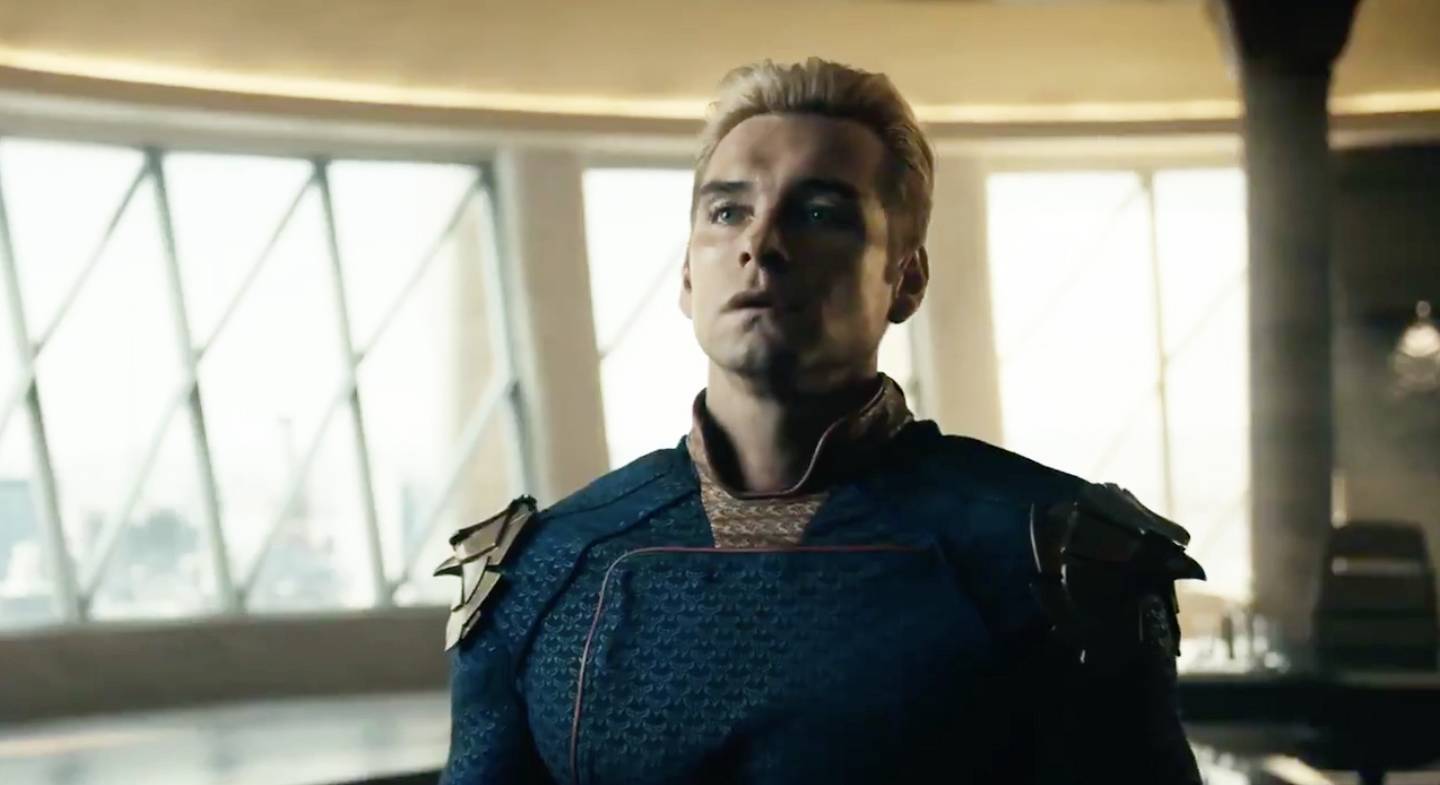
As Kripke explained, the change was also driven by the writers examining some of the major themes of Season 3's story — and how many other characters were wrestling with a certain parental dynamic, more specifically fathers and sons and the type of terrible behaviors that can be passed down or unconsciously inherited. When other relationships such as the one between Billy Butcher (Karl Urban) and Ryan (Cameron Crovetti) are intertwined with the one between Homelander and Ryan (for obvious reasons), how could that complicated web become even more tangled?
On the other hand, it also introduces a very interesting wrench into the works in terms of Homelander's plan to kill Soldier Boy, especially now that he knows the other supe is someone who represents a connection he might be longing to have. In Kripke's words:
The Boys Season 3 premiered with its first three episodes on Friday, June 3, with subsequent episodes released weekly every Friday until the finale on July 8.
'The Boys' Season 3 Finale Promo Teases a Showdown Between Billy Butcher and Homelander

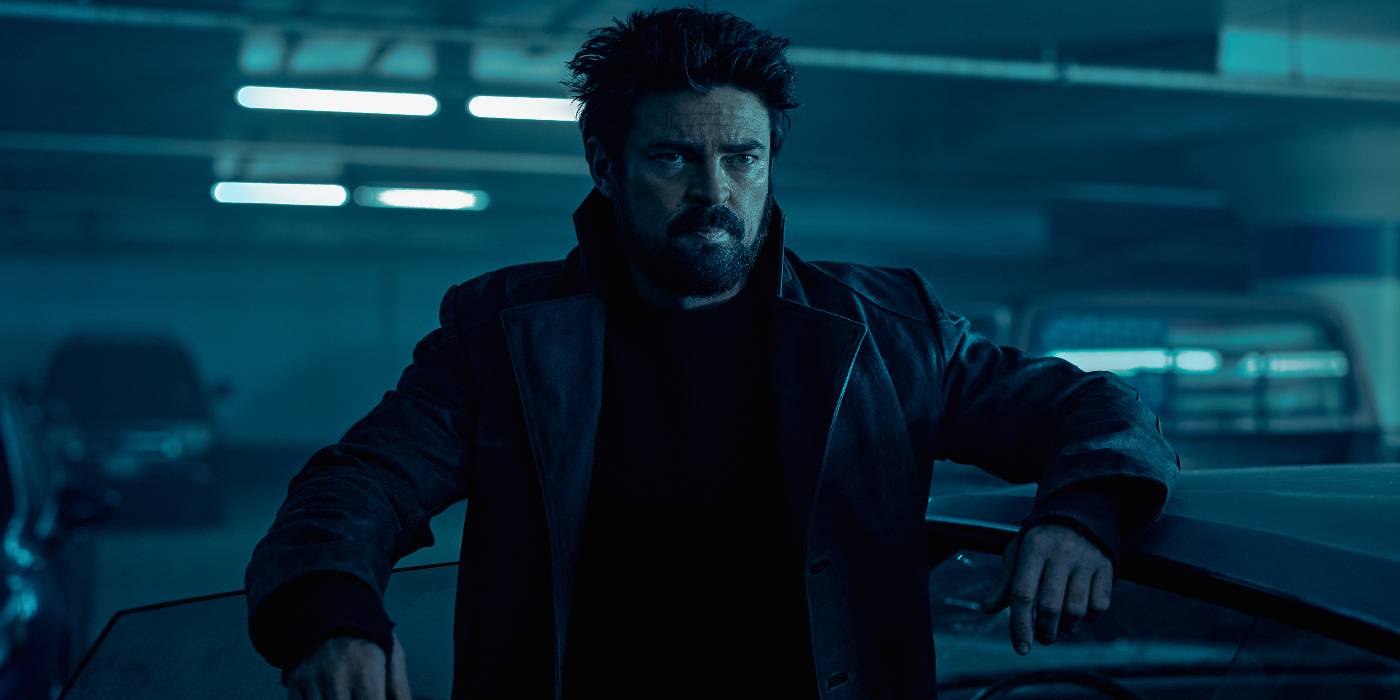
Ahead of its climactic season 3 finale this Friday, The Boys has released a brand-new teaser, showing just about each and every character preparing for what should be a violent and deadly final confrontation. The brand-new teaser was uploaded to The Boys' Twitter page, and sets up the stakes for Episode 8, called "The Instant White-Hot Wild." The caption that accompanied the Tweet reads, "Scorched earth. Shock and awe. Blood and bone."
The promo video opens with Black Noir, the final member of the group Payback, sharpening a blade before he is interrupted by Homelander (Antony Starr). "Sharpen it for 1,000 hours," says Homelander, "it still won't cut Soldier Boy's skin." The teaser cuts into a montage of the cast preparing for a battle, with Mother's Milk (Laz Alonso) getting his guns, Starlight (Erin Moriarty) using her powers, Frenchie in a lab, likely trying to get a hold of the nerve agent mentioned in Episode 7, and Butcher (Karl Urban) looking at a vial. All of this is accompanied by a voice-over by Hughie (Jack Quaid) saying, "We save everyone, even if they don't deserve it. Especially if they don't deserve it." The final shots show Soldier Boy (Jensen Ackles) preparing to drop his shield on someone, an act that viewers are all too familiar with, and a confrontation between Homelander and Butcher. Starr also posted the teaser trailer on his Twitter, warning the fans that this finale is "gonna leave a mark…"
With a season full of revelations, reveals, and betrayals from all the characters, this finale is set to reach a boiling point. With M.M, Kimiko, and Frenchie ready to fight Homelander and Soldier Boy alongside Starlight while Butcher and Hughie continue to use the Temp V with the knowledge given to Butcher in the previous episode, the characters are in more danger than they have ever been in before. All of this is compounded by what we learned about the relationships between Black Noir and Soldier Boy, as well as Homelander and Soldier Boy, everything is pointing to this season finale being absolutely explosive.
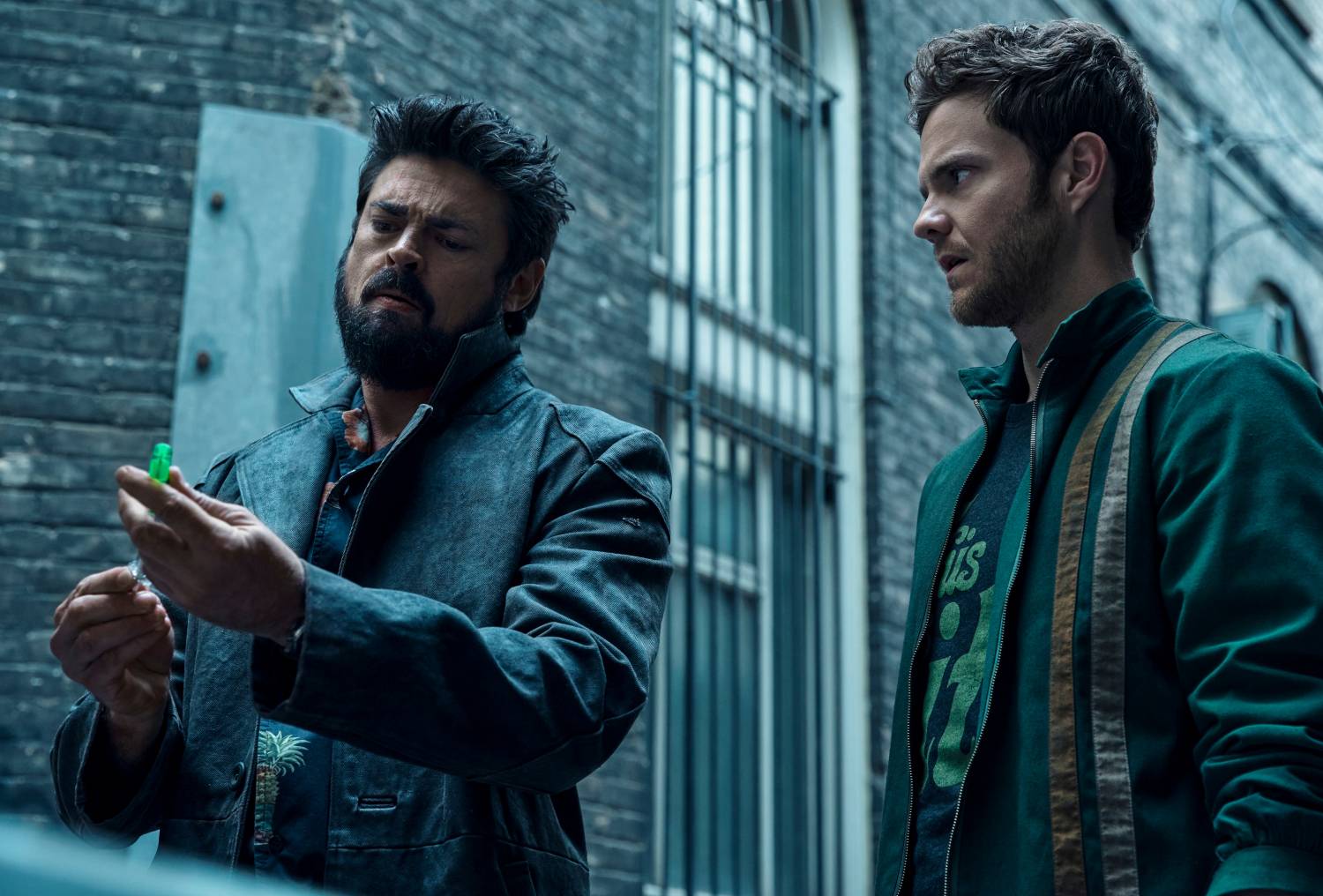
While the third season will be wrapping up this Friday, fans don't need to wonder about when the production of season 4, which was renewed back in early June, will begin. Collider's own Steven Weintraub interviewed Urban, who said that the plan is to start filming the fourth season of the acclaimed Prime Video series on August 22. While production of the next season will begin in just over a month's time, there is currently no word of when the season will be premiering on Prime Video.
The finale of The Boys season 3 will hit Prime Video this Friday. Before then, you can catch up on all 7 episodes of season 3 as well as the prior two seasons of the superhero series on Prime Video right now. Check out the brand-new teaser trailer for the upcoming season finale down below.
Scorched earth. Shock and awe. Blood and bone. #TheBoysFinale pic.twitter.com/Dms8K4aezY
— THE BOYS (@TheBoysTV) July 5, 2022
The Boys Season 3 Episode 8 Release Time & Date on Prime Video


The Boys season 3 is on the verge of ending and season 4 begins soon. The Boys’ season 3 episode 8 is titled ‘The Instant White-Hot Wild’.
The Boys’ season 3 finale episode (episode 8) drops this Friday. Here’s looking at the release time of The Boys season 3 episode 8 on Prime Video.
The Boys Season 3 Episode 8 Release Time
The Boys is Amazon Prime Video’s original series. It means that The Boys has a global release exclusively on Prime Video. Global releases usually come out at Pacific Time of the United States and are simultaneously released in other parts of the world. Let’s take a look at The Boys S3E8 release time across the globe.
The Boys S3E8 Release Time in the United States
The Boys S3E8 will air on 8th July at 03:00 AM Eastern Time (ET) in the United States. On US west coast, The Boys season 3 episode 8 will air on 8th July at midnight 12:00 AM Pacific Time (PT).
The Boys S3E8 Release Time in Canada
The Boys season 3 episode 8 will air on 8th July in Canada at 03:00 AM Eastern Standard Time (EST). On Canada’s west coast, The Boys season 3 episode 8 will be out on the 8th of July at midnight 12:00 AM as per the Pacific Daylight Time (PDT).
The Boys Season 3 Episode 8 Release Time in the United Kingdom
The Boys season 3 episode 8 will release in the morning at 08:00 AM on 8th July in the United Kingdom.
The Boys Season 3 Episode 8 Release Time in Australia
The Boys season 3 episode 8 will release in the afternoon at 05:00 PM on 8th July in accordance with the Australian Eastern Standard Time.
The Boys Season 3 Episode 8 Release Time in India
The Boys season 3 episode 8 will release early in the afternoon at 12:30 PM on 8th July in accordance with the Indian Standard Time.
How many episodes of The Boys Season 3 will air on 8th July?
Just like its previous seasons, The Boys’ only 1 episode will air on the 8th of July on Prime Video.
The Boys’ season 3 episode 8 is titled The Instant White-Hot Wild. It should also be seen that Amazon has not officially stated the release time of The Boys season 3 episode 8. The above-mentioned release time of The Boys season 3 episode 8 is just an estimation by taking Prime Video’s prior The Boys’s season 3 episodes global releases into account. The show length and run time of The Boys season 3‘s each episode is around 1 hour.
Check out The Instant White-Hot Wild episode promo.
Black Noir Has the Most Compelling Arc of 'The Boys' Season 3

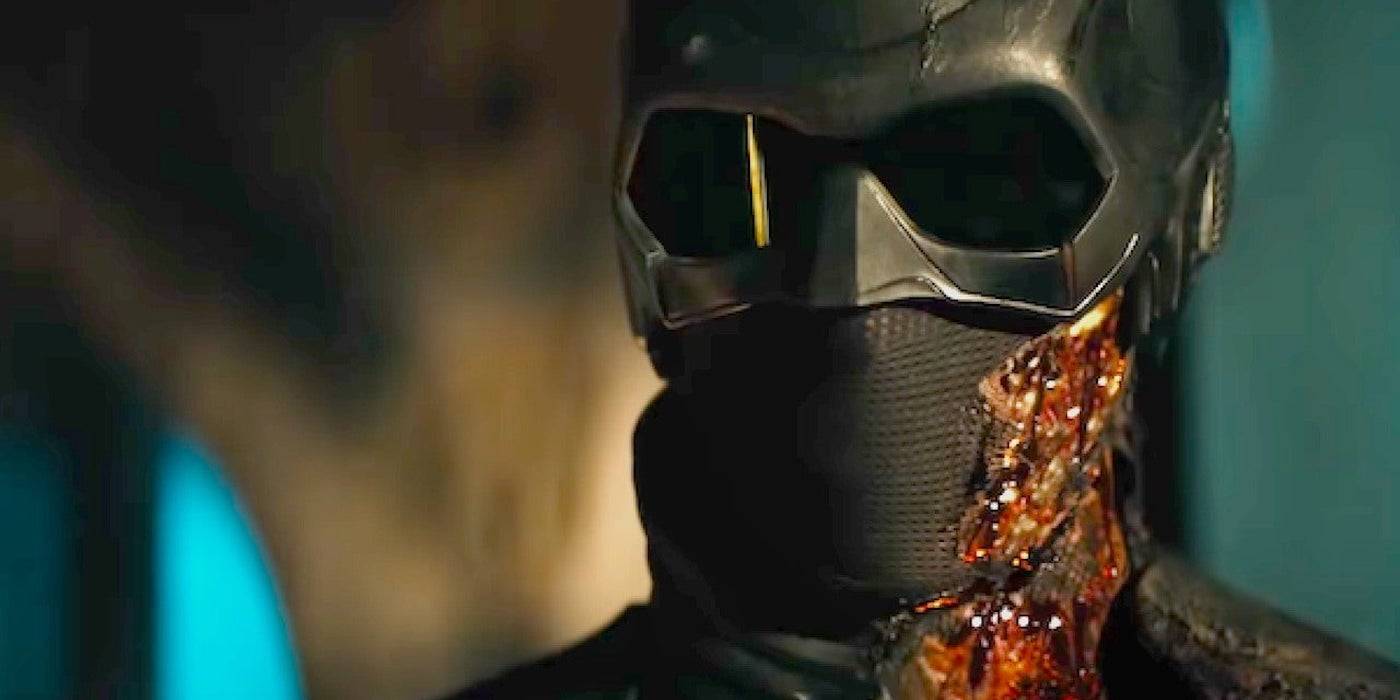
Throughout the first three seasons of The Boys, we’ve gotten to know the members of The Seven quite well. Some we didn’t get to spend much time with (rest in peace Translucent, Lamplighter, and Supersonic) and others we’ve gotten to know intimately like Homelander (Antony Starr), Queen Maeve (Dominique McElligott), and Starlight (Erin Moriarty). However, one member has remained in the shadows: no backstory, no real name, no associations or known life outside The Seven, only Black Noir (Nathan Mitchell). A founding member of Vought’s Seven, Black Noir has been around for quite a long time, predating Homelander. Since the show's genesis, Noir has been a silent but intimidating force in The Seven and a formidable opponent for the boys. Usually found right behind Homelander, not much is known about Vought’s mysterious ‘hero’.
So far The Boys has provided very few breadcrumbs about Black Noir. He is mute, hideously scarred under his mask, a lethal fighter, and deathly allergic to almonds. We also learned earlier in season three that Noir was a member of a superhero team known as ‘Payback’, led by Soldier Boy (Jensen Ackles) in the '80s. However, Episode 7, "Here Comes a Candle to Light You to Bed" provides the most information yet on Black Noir’s history. And as can be expected from The Boys, it’s quite brutal.
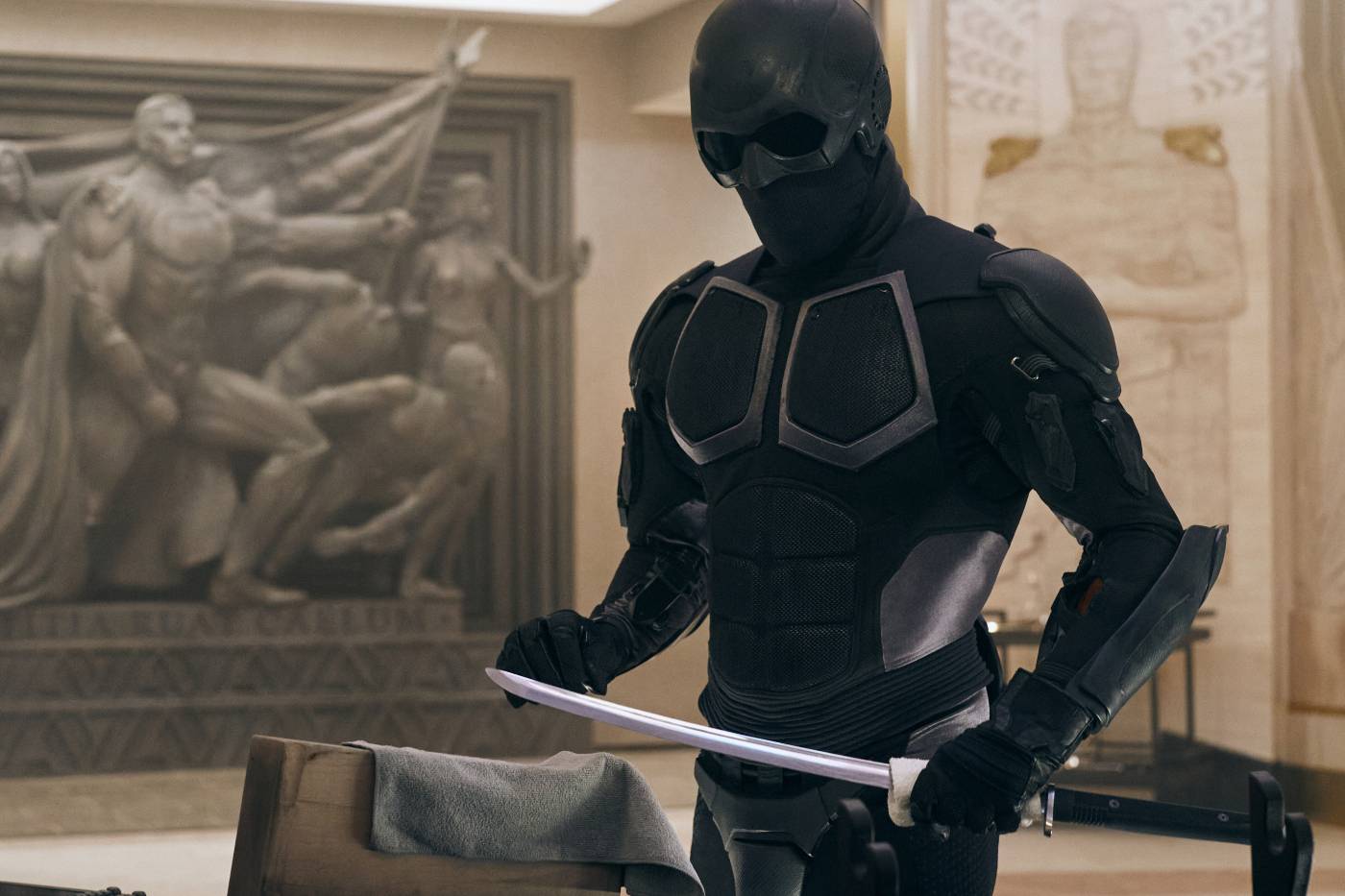
Following the news of Soldier Boy’s return, Black Noir gruesomely carves his tracking chip out of his arm with one of his several knives and flees Seven Tower. While his mask covers his face, it’s clear Black Noir is feeling a certain type of terror he hasn’t felt in a long time. Episode seven finds him holed up in a location that clearly holds some nostalgia for him: Buster Beaver’s Pizza Restaurant. The barren and abandoned Chuck E. Cheese knockoff isn’t the first place you’d expect a ruthless, stone-cold killer like Noir to hide. It’s actually quite the juxtaposition but proves effective in relaying Noir’s buried trauma.
Reminiscent of a scene from 2016’s Deadpool that merges gritty live-action with childish animation, Black Noir finds himself comforted by an assortment of animated critters from the Buster Beaver franchise. An empathetic Buster Beaver (Eric Bauza) comforts Noir, reminding him of past experiences that they’ve helped him through before but also warns him he can’t avoid his conflict with Soldier Boy forever. Buster Beaver refers to Noir as Earving, providing confirmation of his real name, a fact that helps humanize Black Noir as he is escorted by the critters to an old stage. While it is shown there is visibly nothing onstage, through Noir’s eyes we see a past memory uniquely reimagined. Unlike previous flashbacks from Season 3, the flashbacks at Buster Beaver’s are animated and the characters are anthropomorphic animals.
While the cheery colors and cartoony animation style brighten the memory, there is no sugar-coating Black Noir’s past. Quite literally characterized by a black sheep, a young Black Noir confronts a muscular eagle representative of Soldier Boy. We learn through this conversation that Earving is pursuing acting on the side of his Payback role and was up for the part of Axel Foley in Beverly Hills Cop. However, he loses the part because Eagle Soldier Boy sabotaged his chances by badmouthing Earving to producer Don Simpson. Black Sheep Noir is outraged with Eagle Soldier Boy, who bluntly tells Noir he wasn’t good enough. Eagle Soldier Boy turns his back to end the conversation but Noir grabs him in protest. Before a single word is exchanged, Eagle Soldier Boy whips around and punches Black Sheep Noir square in the face.
A deafening crunch is heard as we see the present-day Black Noir wince in pain from the memory. It’s visceral and real, not even the cartoony animation can help the brutality of the scene. Eagle Soldier Boy lands punch after punch on Black Sheep Noir as blood flies everywhere. It’s on the ground. It’s on Black Sheep Noir’s nose, chin, and chest. It’s on Eagle Soldier Boy’s beak. Through the cries of protest from the rest of the anthropomorphized Payback team, Eagle Soldier Boy tells a quivering, broken Black Sheep Noir that he will never amount to anything, that he is nothing.
The traumatic animation is intercut with present-day Black Noir’s reaction, framed solely in close-up, and it is utterly heartbreaking. Brilliantly performed by Mitchell, his subtle tilt of the head, moving forward in agony, and back again in submission is all the movement needed to convey the emotional totality of the scene. It also explains Payback’s (specifically Black Noir’s) motive for their stand against Soldier Boy in Nicaragua and his subsequent disappearance.
Back in animation, an offer is proposed by a meerkat version of Stan Edgar. He encourages Black Sheep Noir to off Soldier Boy as a means for Vought to usher in a new, bigger, better, shinier hero they have been working on, Homelander, who at the time is still just a child. While Black Noir jumps at the opportunity to end the abuse he’s suffered under Soldier Boy, he lacks the foresight to see he is simply trading one bad situation for another.
When Meerkat Stan Edgar (Giancarlo Esposito) offers Black Sheep Noir the opportunity to end Soldier Boy in Nicaragua, he is eating almonds. Eventually, Noir makes a comment, bringing the snack to the audience’s attention, asking Edgar to stop eating the almonds in front of him, as he is allergic. Instead of listening or apologizing, Meerkat Edgar replies with a dead stare and an even larger crunch of his cartoonishly large almonds. Edgar's dismissal of Noir's serious health concern serves as a chilling foreshadowing of Noir’s future. He is going to receive the exact same abusive and manipulative treatment under Stan Edgar that he did with Soldier Boy. He will live only to remain under Vought’s thumb, finding himself in a subordinate position once more working under his former protege.
Sitting alone at Buster Beaver’s Pizza Place, it has to be sinking in for Black Noir: Soldier Boy was right all those years ago. The horrible reality of the situation is he never escaped the abuse. He didn’t make a name for himself. No Earving, only Black Noir. He barks when he’s told to, hoop jumps when he has to, and listens to his owner. Sure, he’s silent and lethal. But even more so, he is silent and complacent.
In Black Noir’s defense, he didn’t have much of a choice. As Black Noir’s continued memory reveals, the attack on Soldier Boy, while ultimately successful, brings only more tragedy upon Noir. Scooping him off his feet, Eagle Soldier Boy, slams Black Sheep Noir into the hood of a burning car and repeatedly bashes his head in with his shield. The animation does not hold back, depicting the entirety of the assault. Black Sheep Noir’s eyes bulge, his scalp burns off, and he loses chunks of his brain. The mask Earving once wanted to ditch, was now an absolute necessity and his only option for social acceptance. Condemned to his supersuit, Earving would never be anything more than his mask.
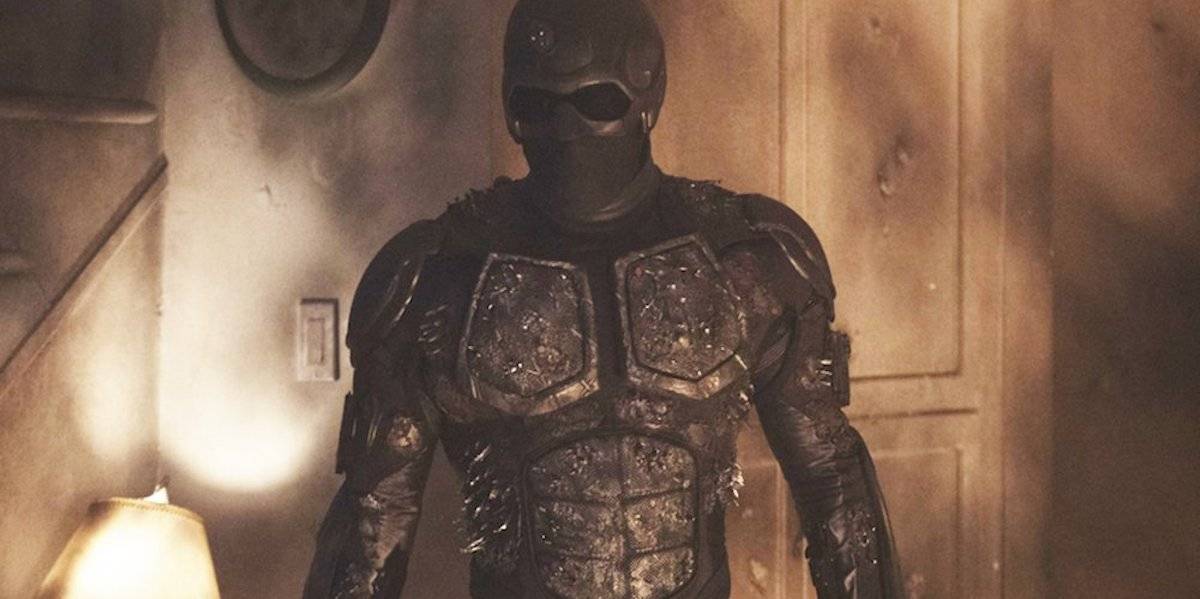
Suddenly it all makes sense: The silence, the lack of emotion, the ruthless, inhuman persona. Black Noir used to be a person with heart, emotions, and dreams but it was stripped away by Soldier Boy in a matter of seconds. In such a short amount of time, The Boys has crafted the most poignant arc of the series. Building curiosity about the character since the show's release and slowly revealing bits of information has led to an extremely satisfying, albeit guttural reveal of who Black Noir used to be. While it isn’t as extensive as the arcs written for Butcher (Karl Urban), Hughie (Jack Quaid), or Homelander, the flashbacks of Noir’s history this past season have been just as substantial, arguably even more.
Similar to Starlight and Queen Maeve, Black Noir has seemingly come to his wit's end with Vought. The company’s hold over its talent is wearing thinner by the minute and the facade of The Seven is crumbling member by member. Annie has finally spoken out against Vought publicly, Maeve has been imprisoned for conspiring against Homelander, and Black Noir has seemingly decided to take control of his life again. However, while Annie and Maeve are out for Homelander’s blood, Black Noir has a different path to follow.
The jarring cliff-hanger of Episode 7 teases a confrontation between Soldier Boy and Homelander, who has been revealed to be the former’s son. While this will likely be the title fight of the finale, it shouldn’t distract from the conflict growing between Soldier Boy and Black Noir. The man responsible for Black Noir’s eternal suffering and silent solitude has returned, thirsting for revenge against his former team. The Buster Beaver critter’s speaking on behalf of Black Noir reveals that he is a sensitive person deep down and that he is scared. His fear and shame emanate through his mask, through the slight droop of his head. But Black Noir knows he has to face Soldier Boy again. He doesn’t have much to lose and that’s exactly why he needs to fight. His opponent took everything from him and the least Noir can do is gain the closure he desires.
Black Noir’s arc feels so compelling primarily due to its scarcity throughout the last two seasons. Nothing was known about the character until suddenly, after years of theorizing, the audience is overwhelmed with all of the answers in addition to an abundance of emotions and morality to process. Should one feel empathy for Black Noir? Does his past trauma justify the crimes he’s committed and the lives he’s taken? Does he even deserve to be called anything other than Black Noir? Is he a redeemable character? The questions are endless and no real answer presents itself, but if one thing is certain it’s that Black Noir has a lot of emotional baggage to unpack as he earns his spot among the pantheon of certified dynamic characters in television.
‘The Boys’ Season 4 will Starts Filming Soon, Reveals by Karl Urban

We’ve barely recovered from Herogasm and Season 3 of The Boys still has two more episodes to air, but star Karl Urban has already revealed that The Boys Season 4 is set to start shooting soon. In an exclusive interview with Collider’s Steven Weintraub for Netflix’s animated film The Sea Beast
During the first two seasons of The Boys, we’ve followed Urban’s Billy Butcher as he formed a team to hunt down Homelander, the most powerful superhero on Earth. The team acts in the underground, trying to survive against unlikely odds and using only their wits to get the best of superpowered people with all sorts of special abilities. In Season 3, however, The Boys went official and became a government unit responsible for keeping superheroes on their toes. The change of status quo has led to a thrilling season so far, with many surprises in store for fans, including The Boys getting their own superpowers. Oh, and we also had a huge superhero orgy known as Herogasm.
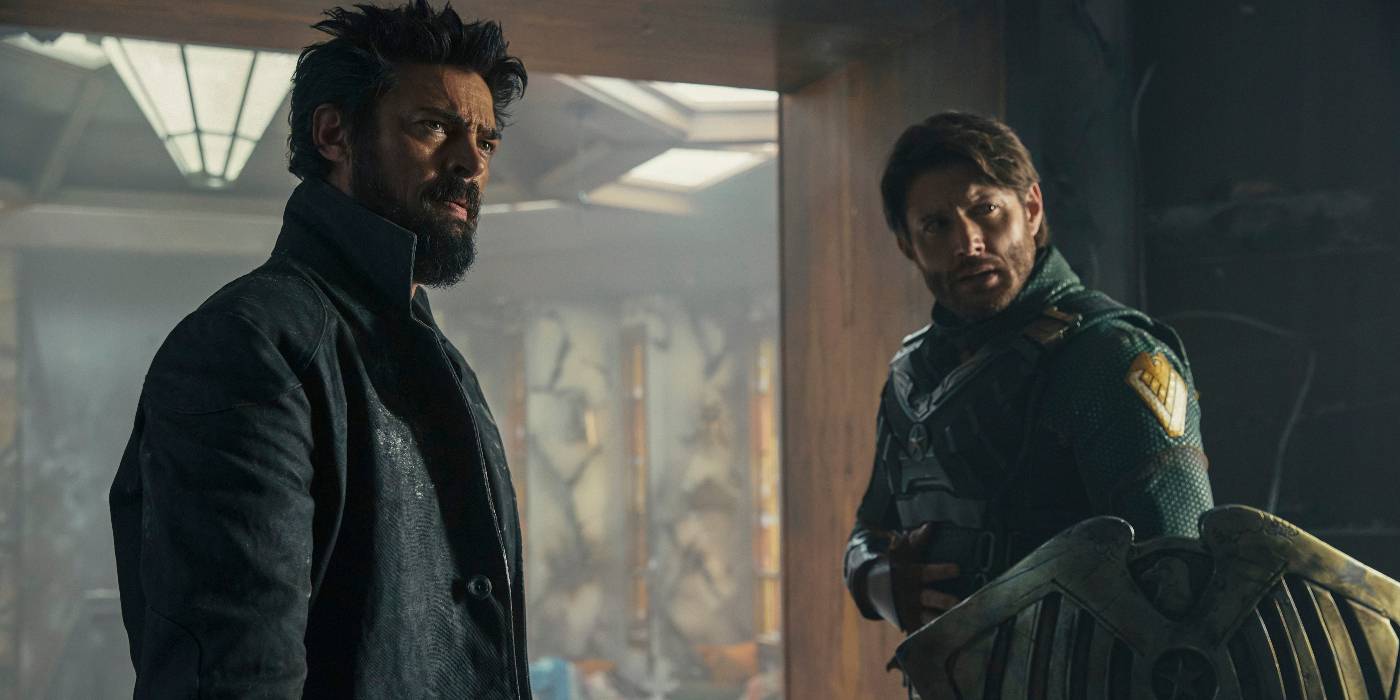
Of course, we are all excited to learn what comes next for the team, however, Urban still hasn’t even touched the scripts for The Boys Season 4
It’s too bad we won’t know what happens in Season 4 for a while, but with production starting so soon, I think it's a safe bet that we can expect The Boys Season 4 to be streaming on Prime Video next year. For now, we still get to know how Season 3 ends. So far, the balance between The Boys and the Seven is hanging by a thread, as Homelander becomes ever more erratic and Butcher does everything in his power to get his revenge on the superhero while still working inside the boundaries of the Law.
Besides Urban, Season 3 of The Boys also sees the return of Jack Quaid, Tomer Capon, Karen Fukuhara, Antony Starr, Dominique McElligott, Jessie Usher, Chace Crawford, Nathan Mitchell, Aya Cash, Erin Moriarty, and Laz Alonso. The new season also introduced a bunch of new characters, including Soldier Boy (Jensen Ackles), Crimson Countess (Laurie Holden, Supersonic (Miles Gaston Villanueva), Blue Hawk (Nick Weschler), and Gunpowder (Sean Patrick Flannery).
The first six episodes of Season 3 of The Boys are available right now at Amazon’s Prime Video. New episodes get released every Friday. In the meantime, check out the trailer for The Boys Season 3: